Quakertown
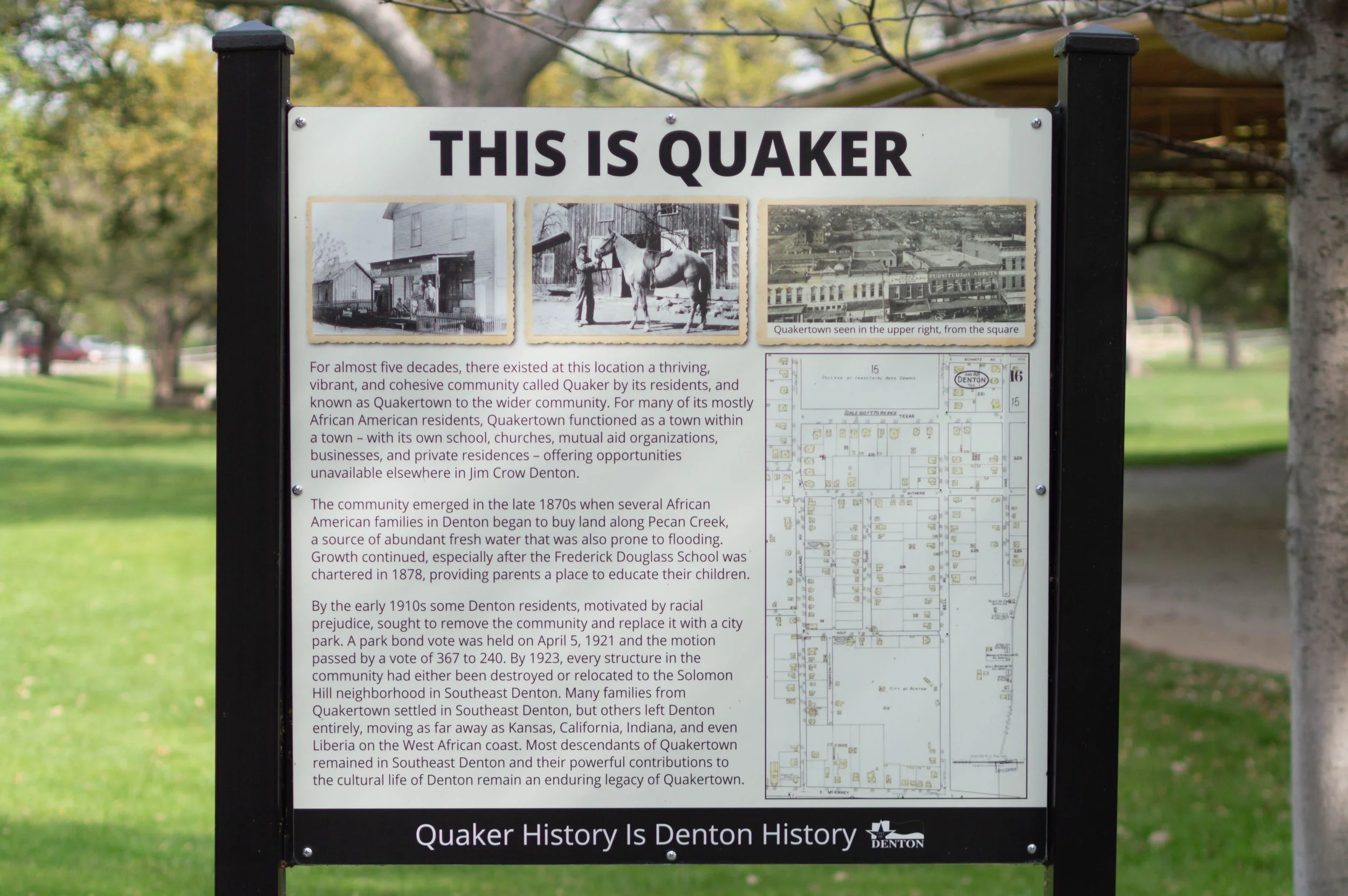
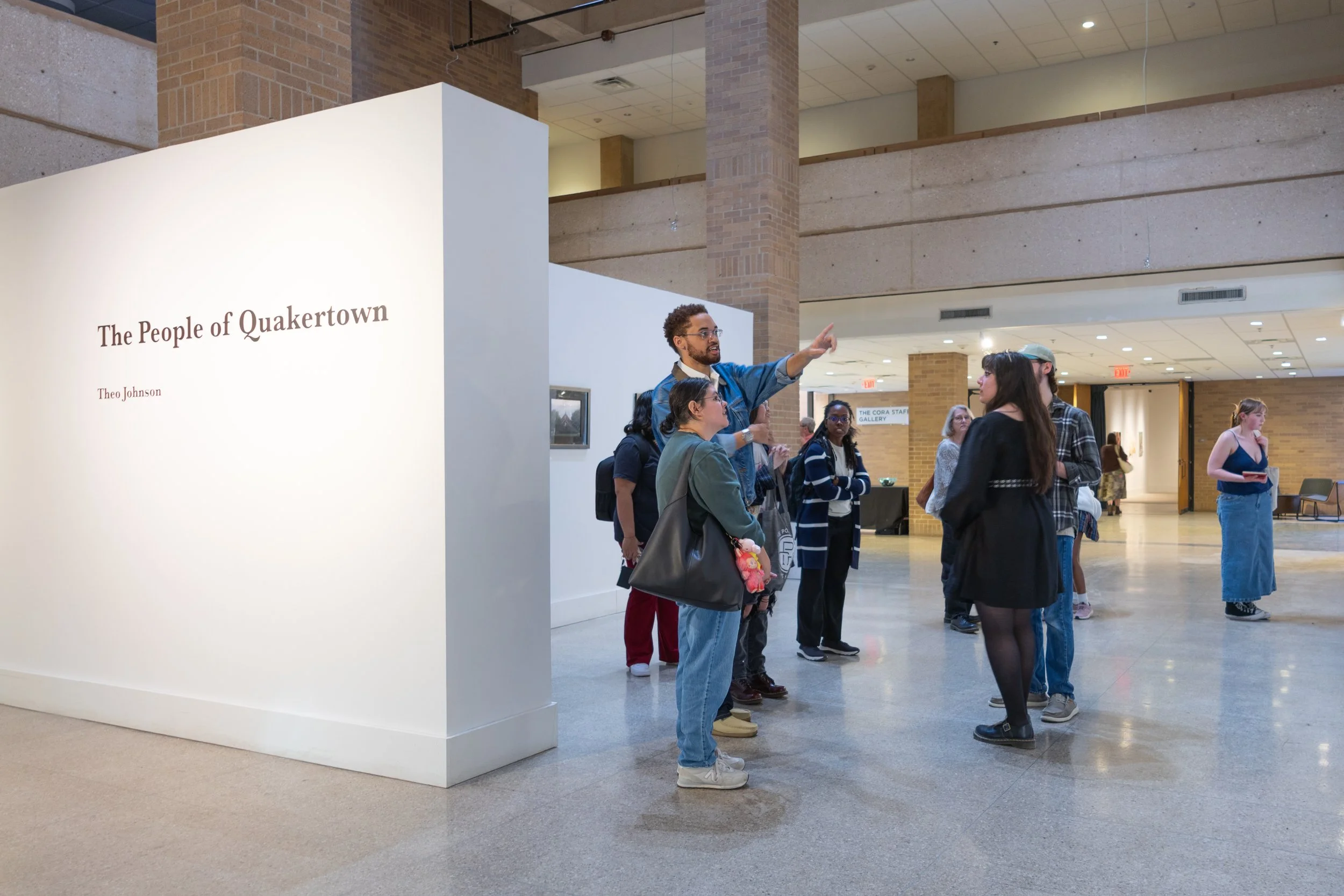
Quakertown explores the history of Quakertown Park in Denton. The park was once the Black neighborhood of Quakertown, which by the late 1910s was a thriving middle-class community. However, in 1922, the College of Industrial Arts (now Texas Woman’s University) and local civic groups displaced residents, as the town was perceived as a danger to students, faculty, and staff of the institution. The land was then repurposed into a civic park, which, in the words of then-college president Francis Bralley, sought to “rid the college of the menace of the negro quarters.”
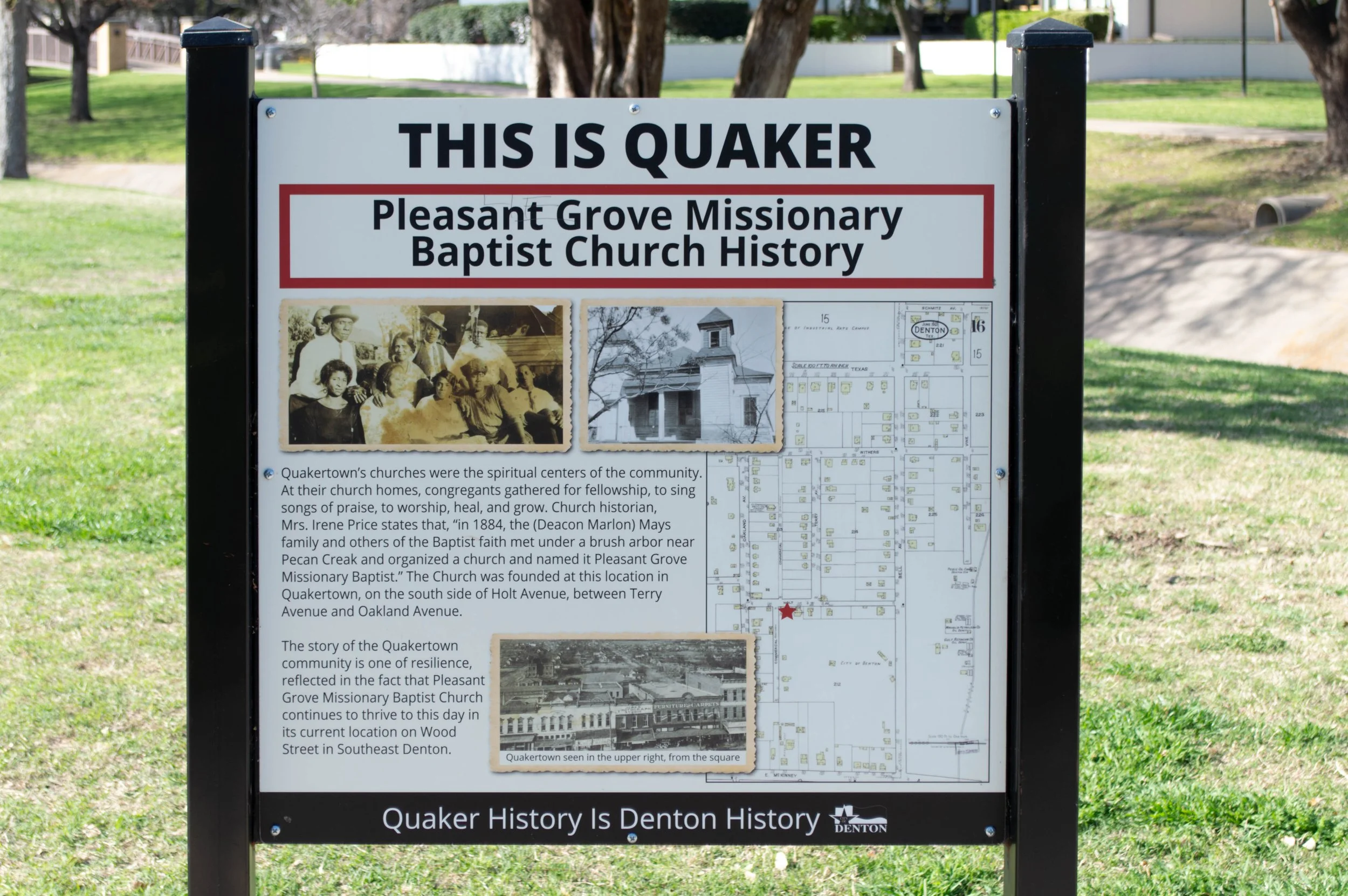
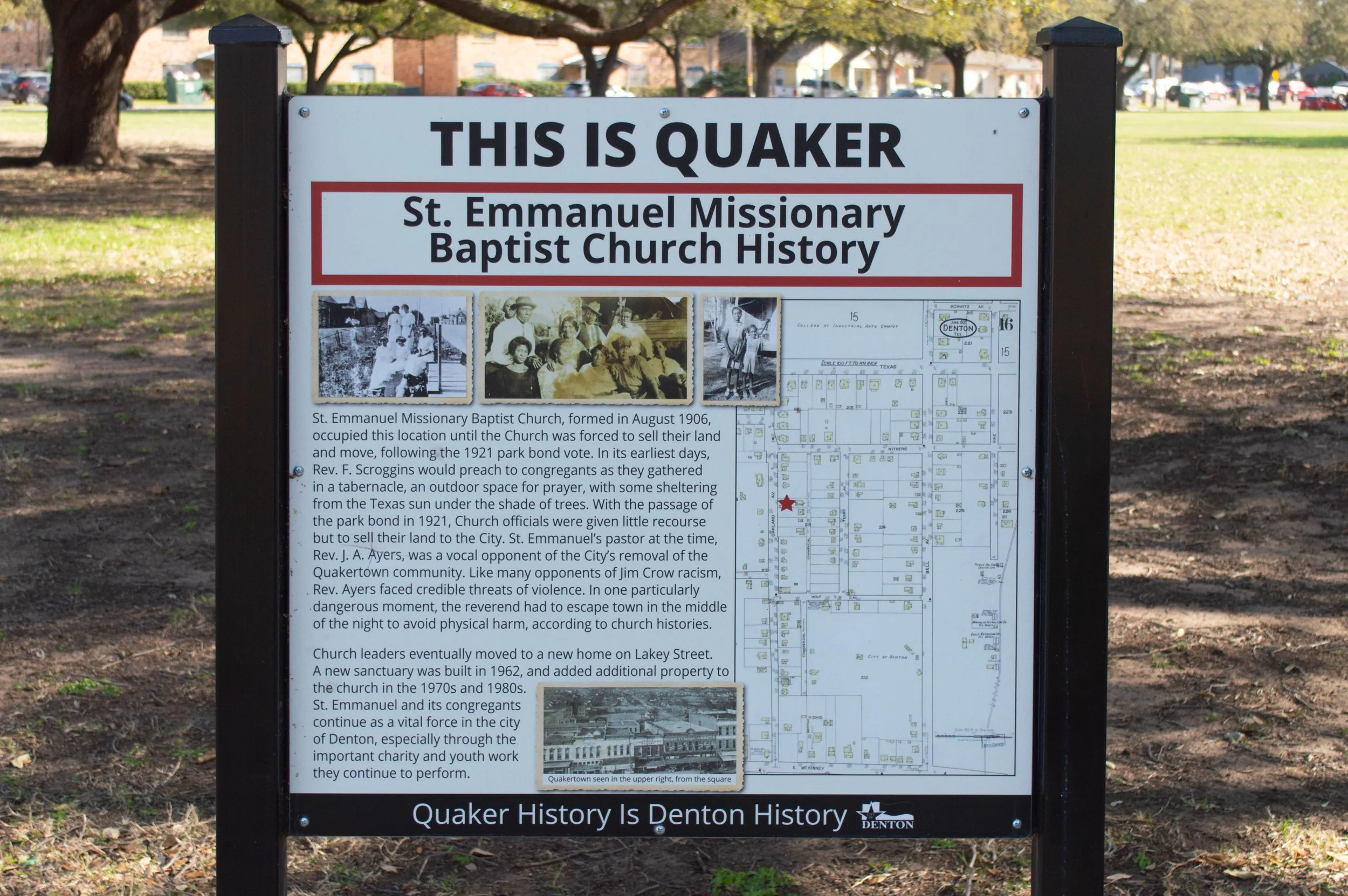
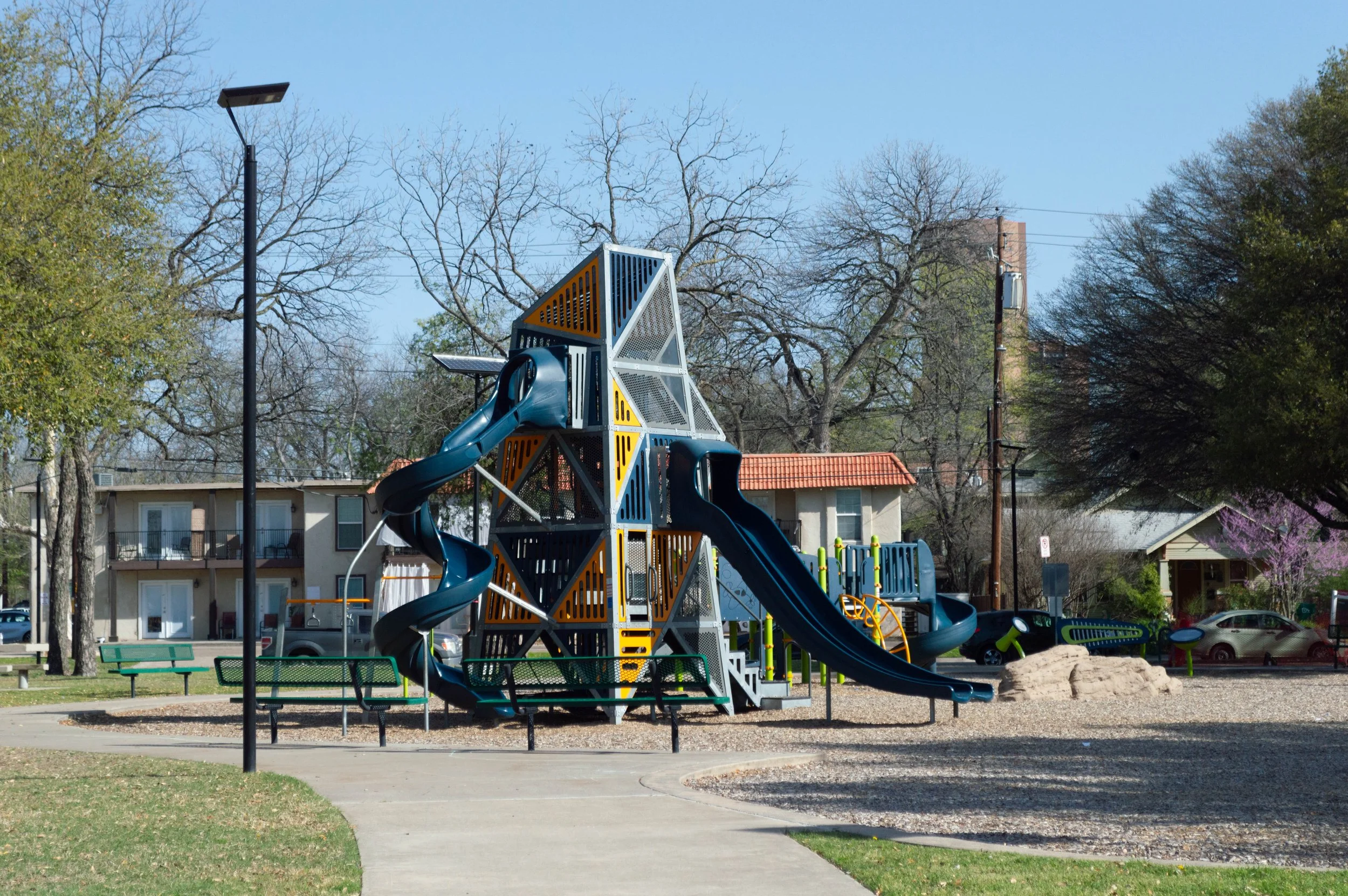
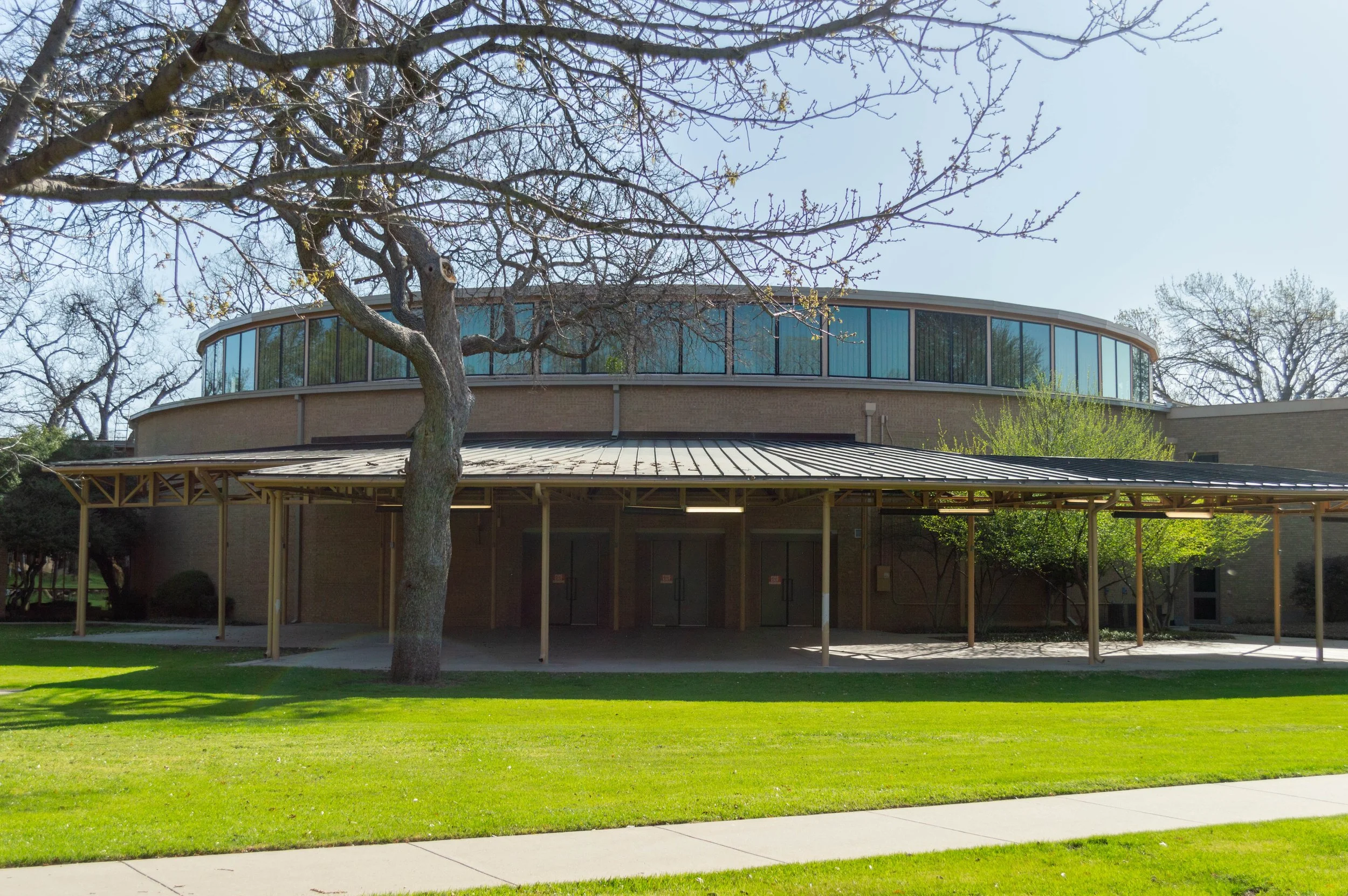
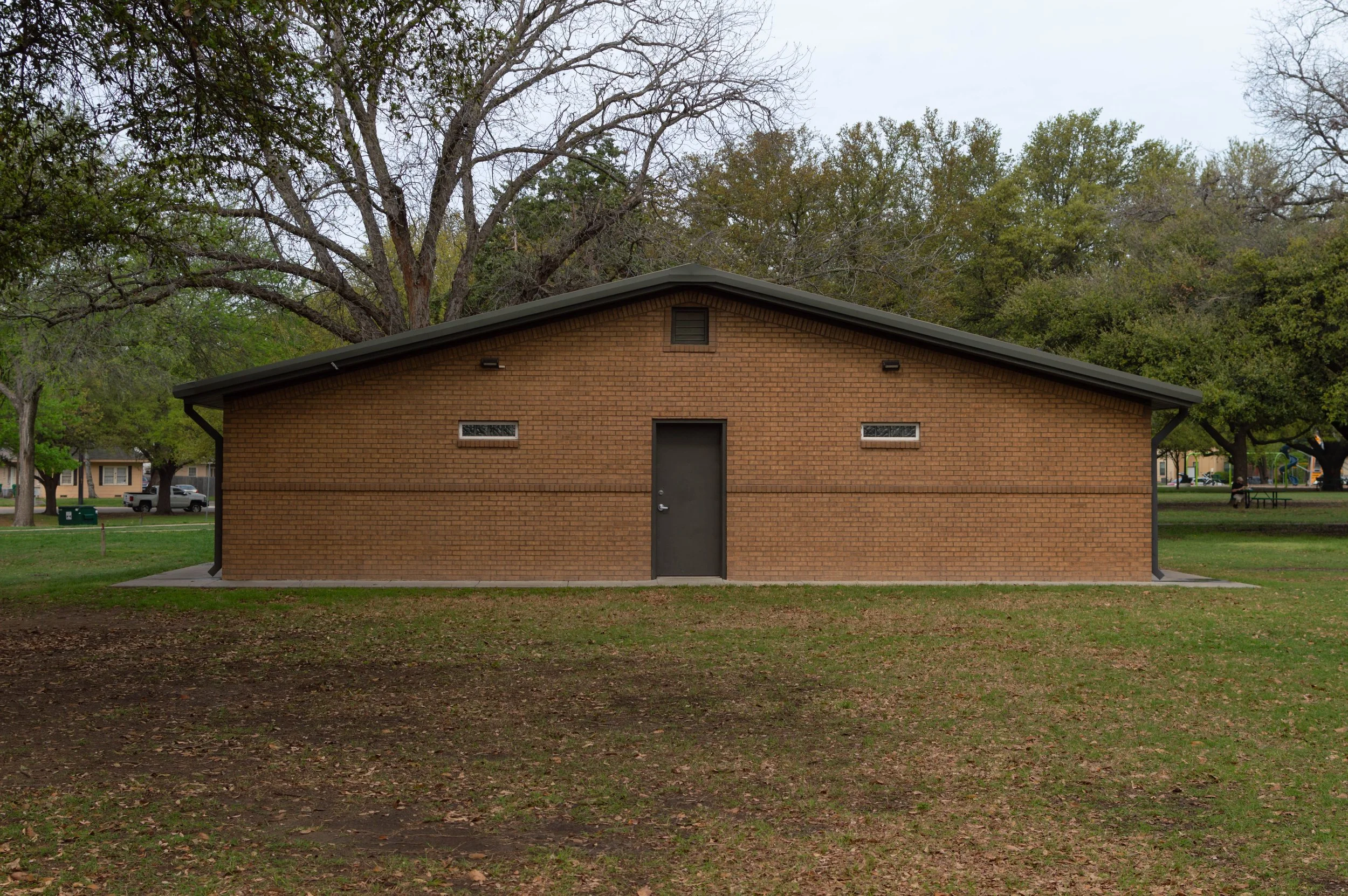
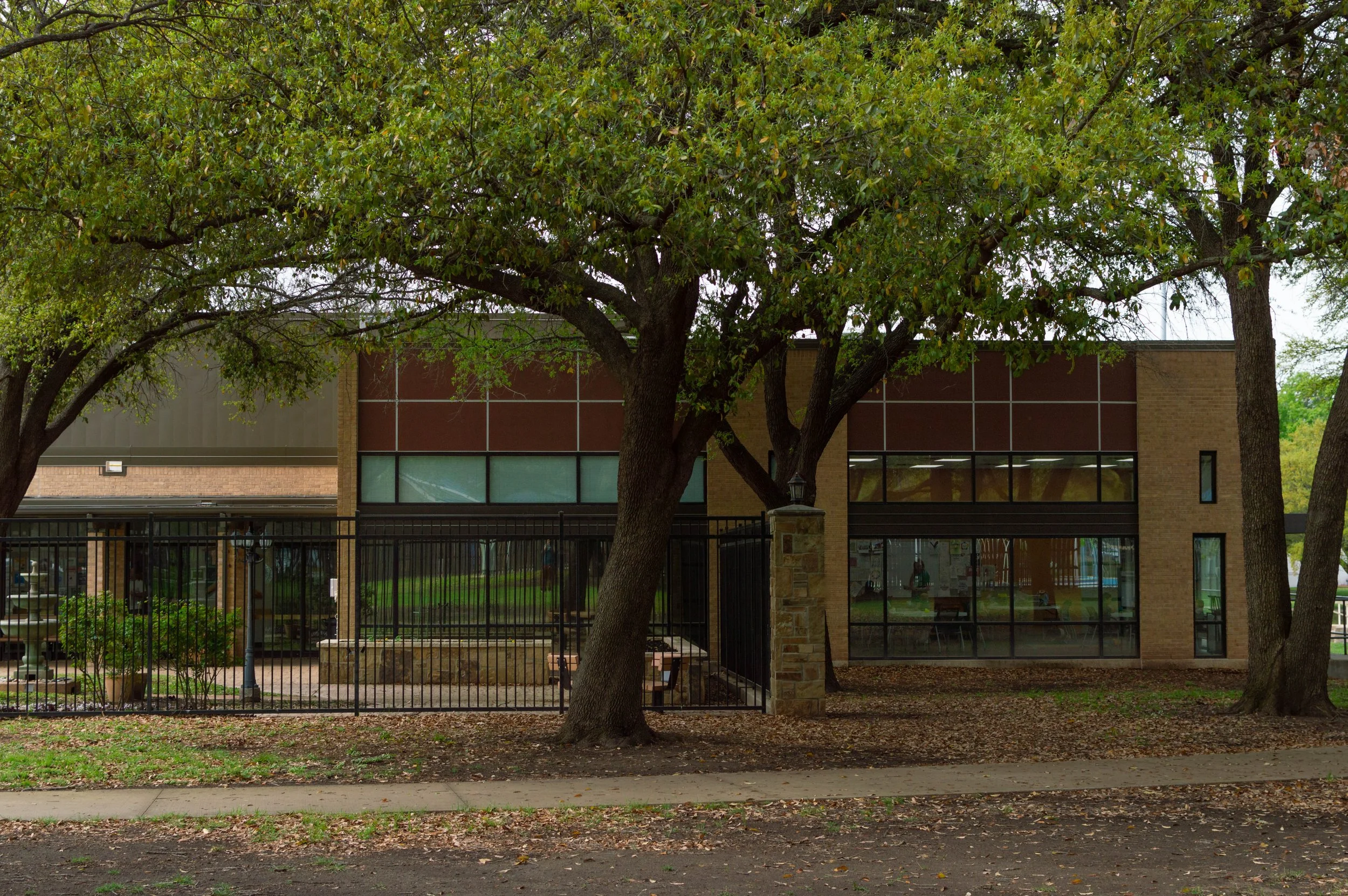
Today, Quakertown Park is an iconic Denton landmark, home to the Civic Center, Senior Center, Women’s Club, Main Post Office, Emily Fowler Library and City Hall. On weekends, it’s dotted with families, runners, and cyclists, yet few seem to engage with the signs documenting its history. Noticing this disconnect, I wanted to spend time with the park both physically and through research, photographing it in a way that honors both its present-day function and its history.
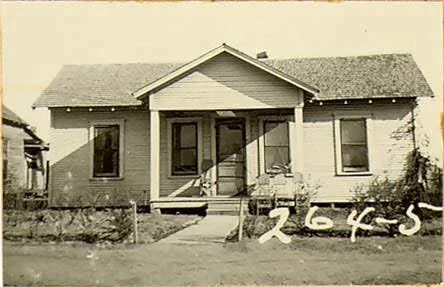
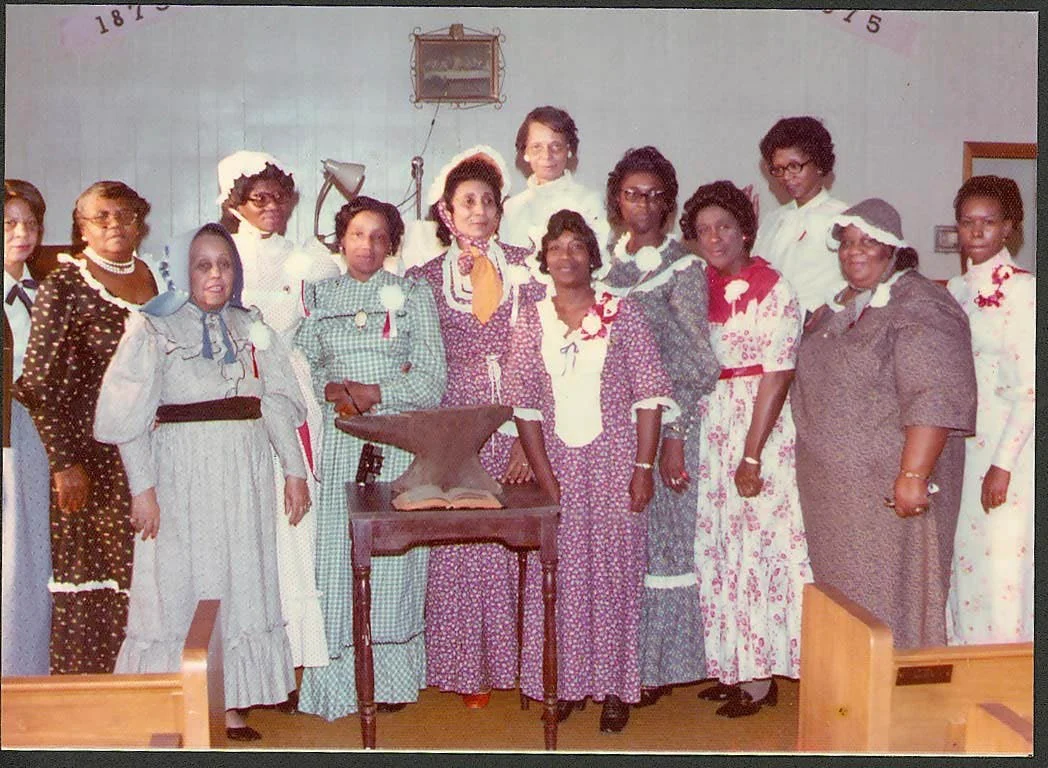
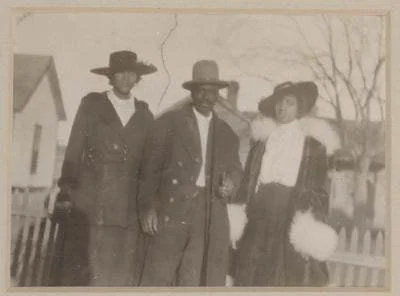
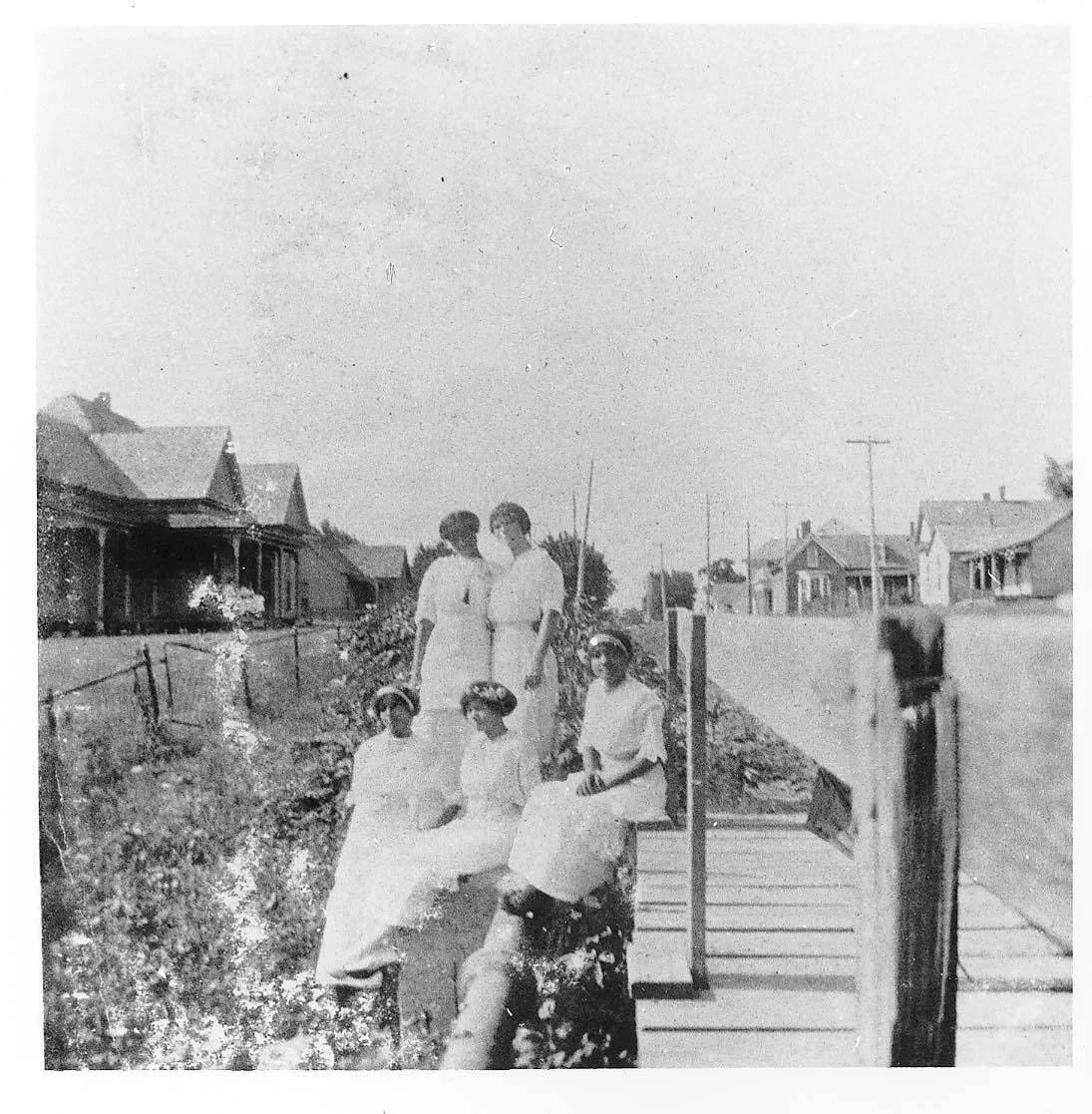
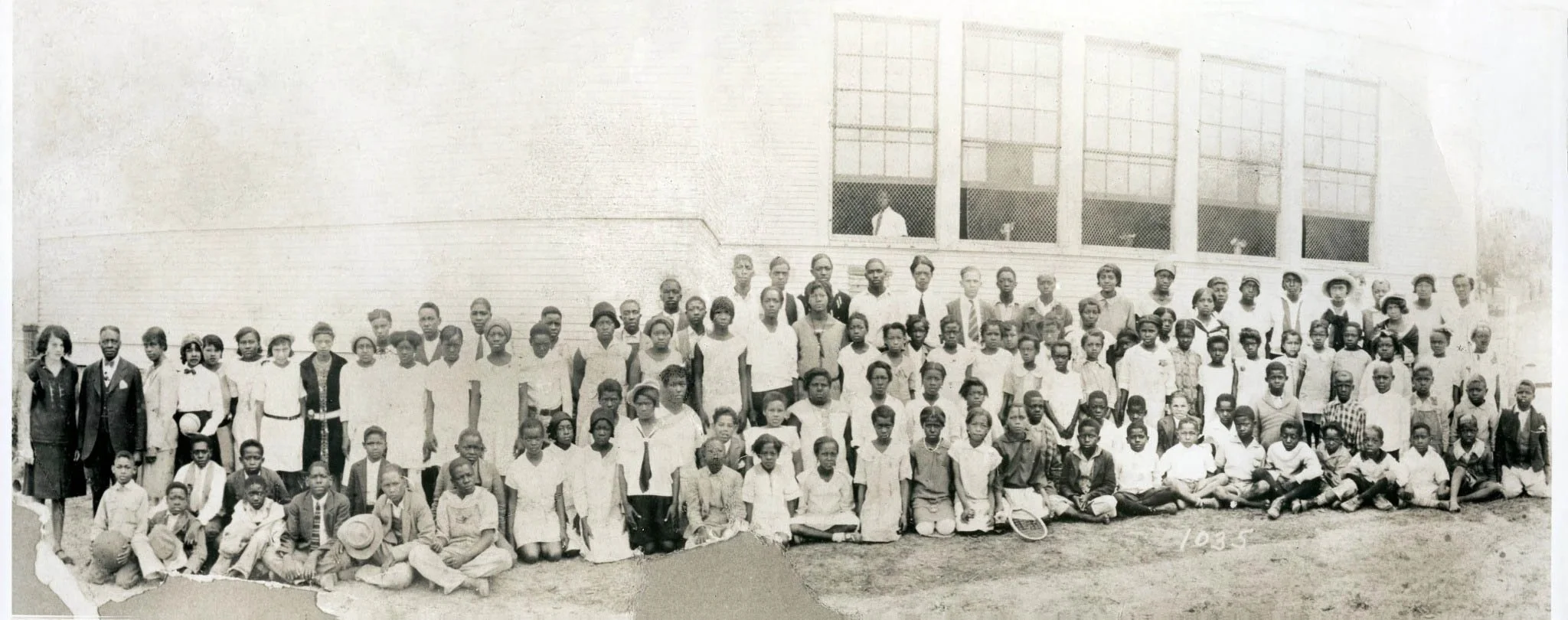
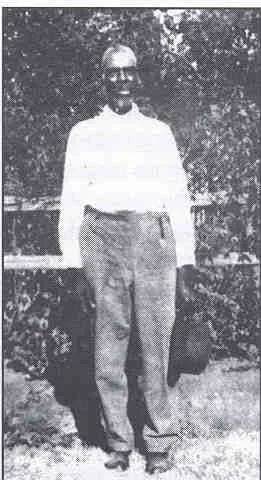
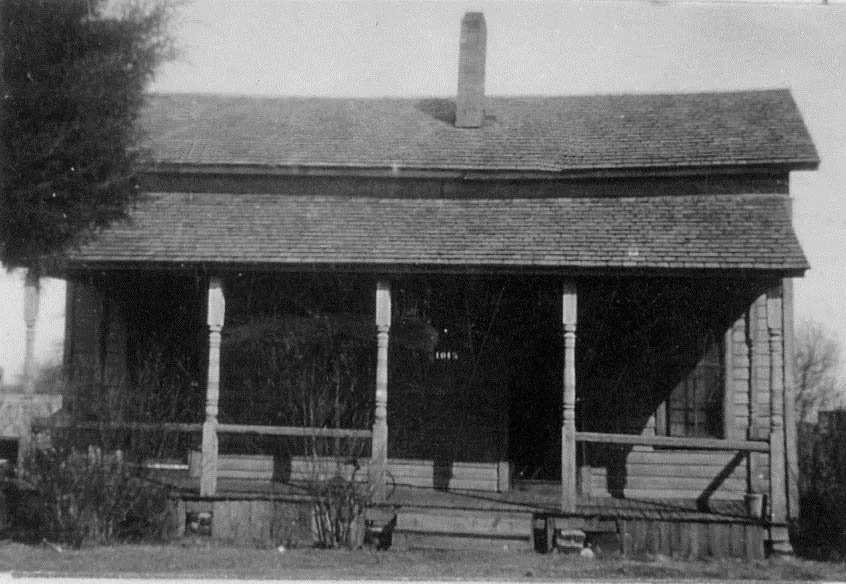
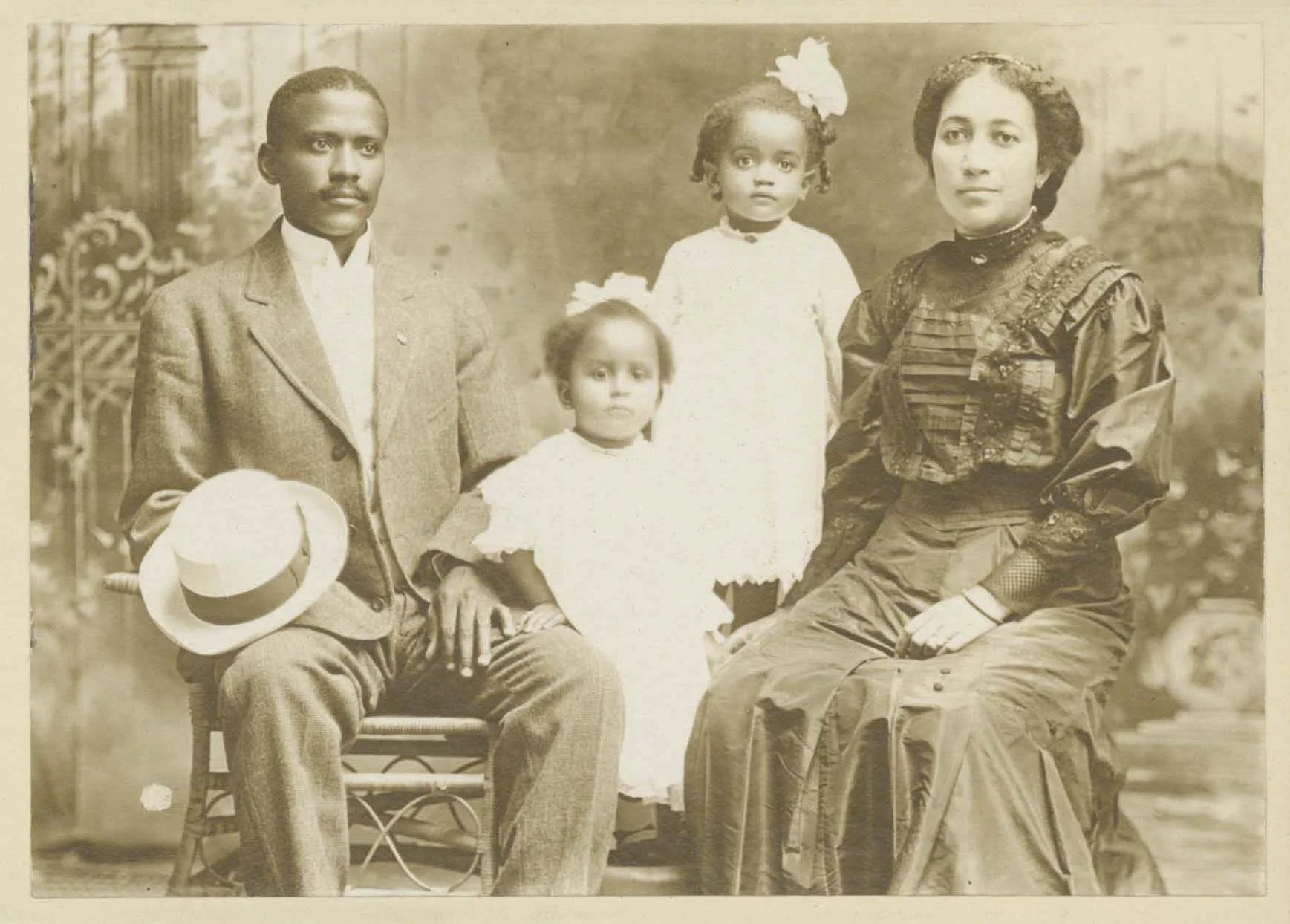
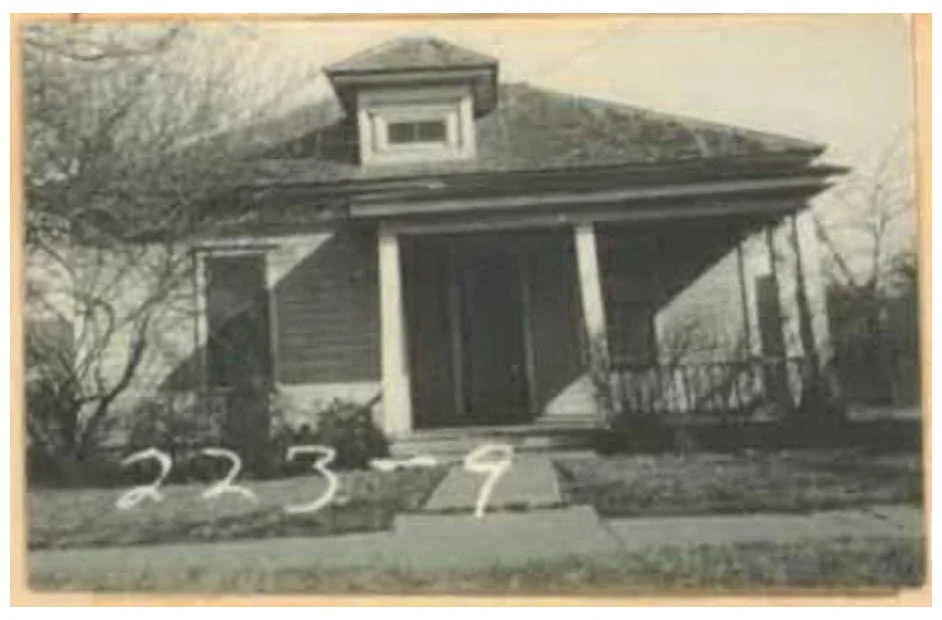
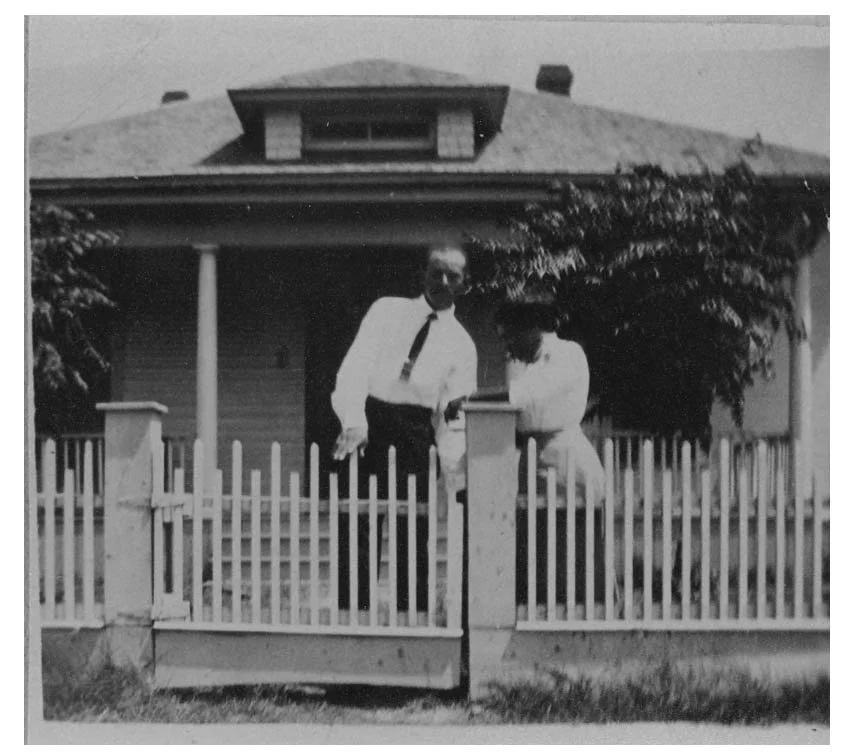
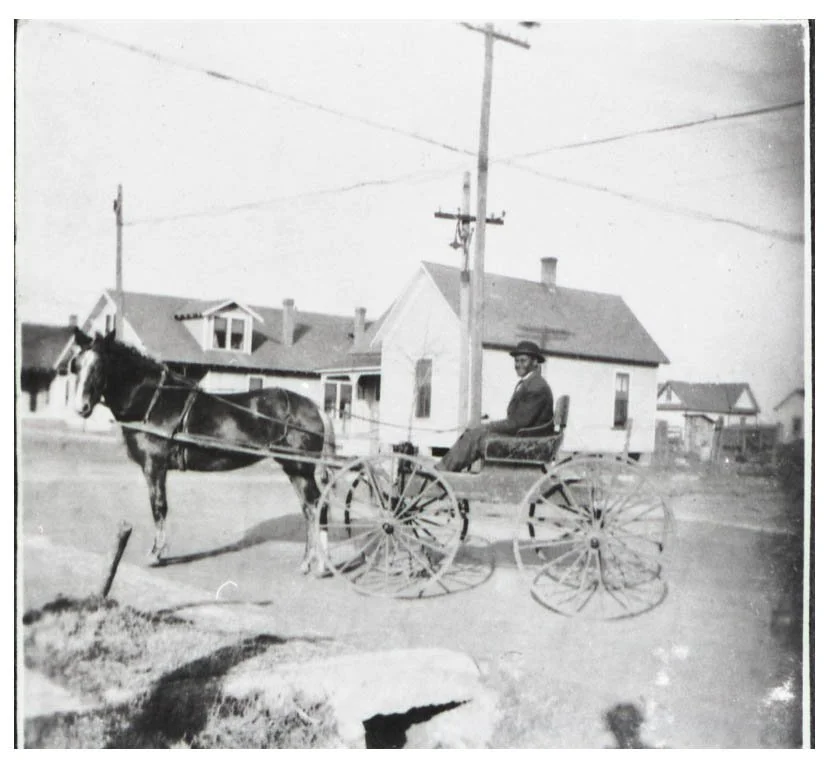
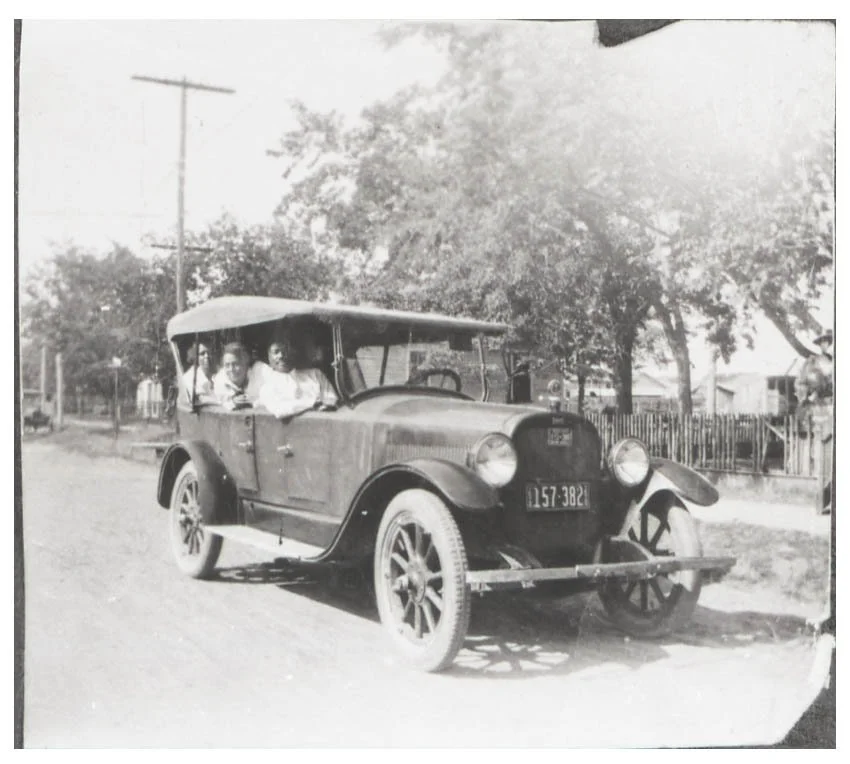
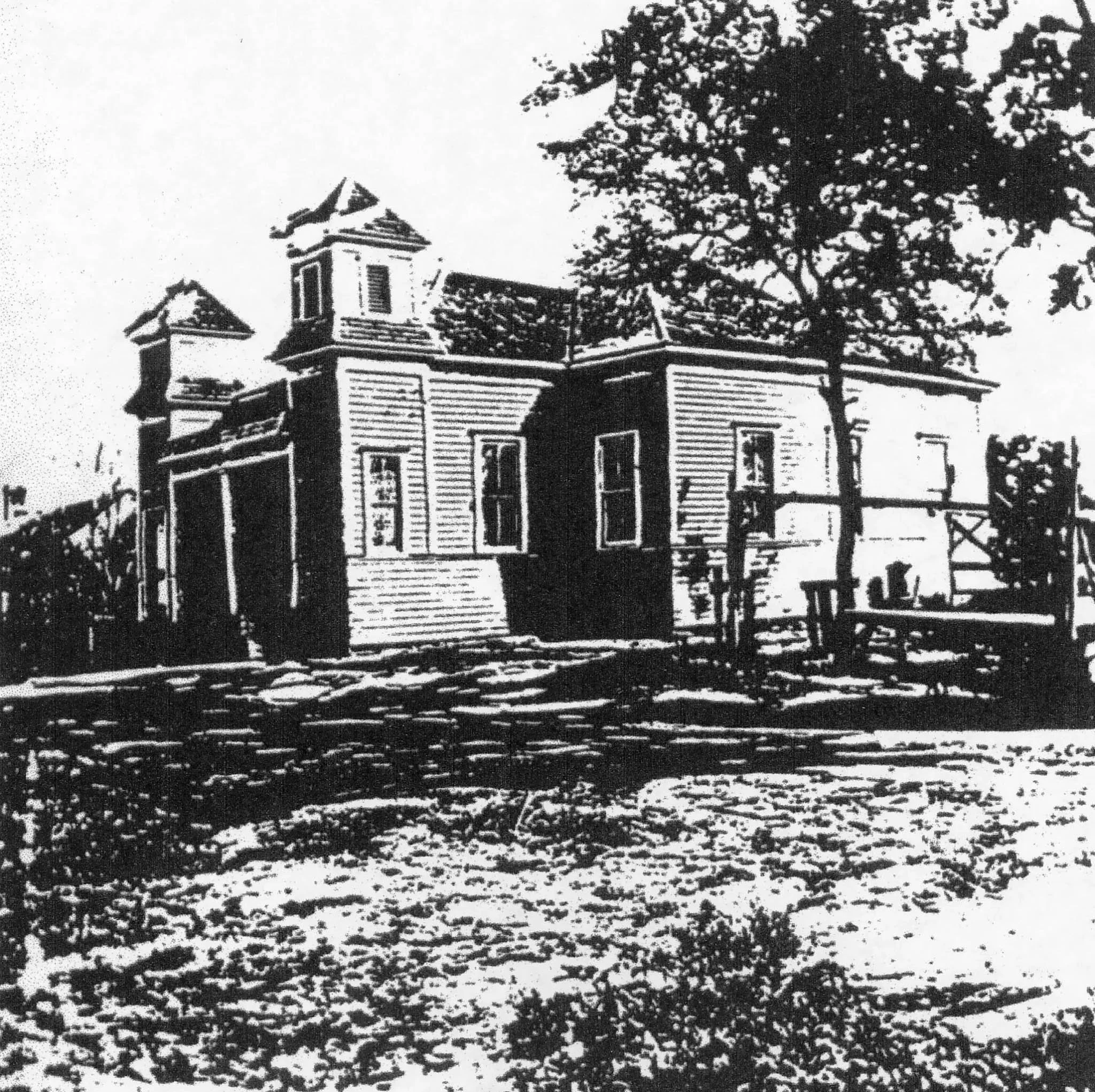
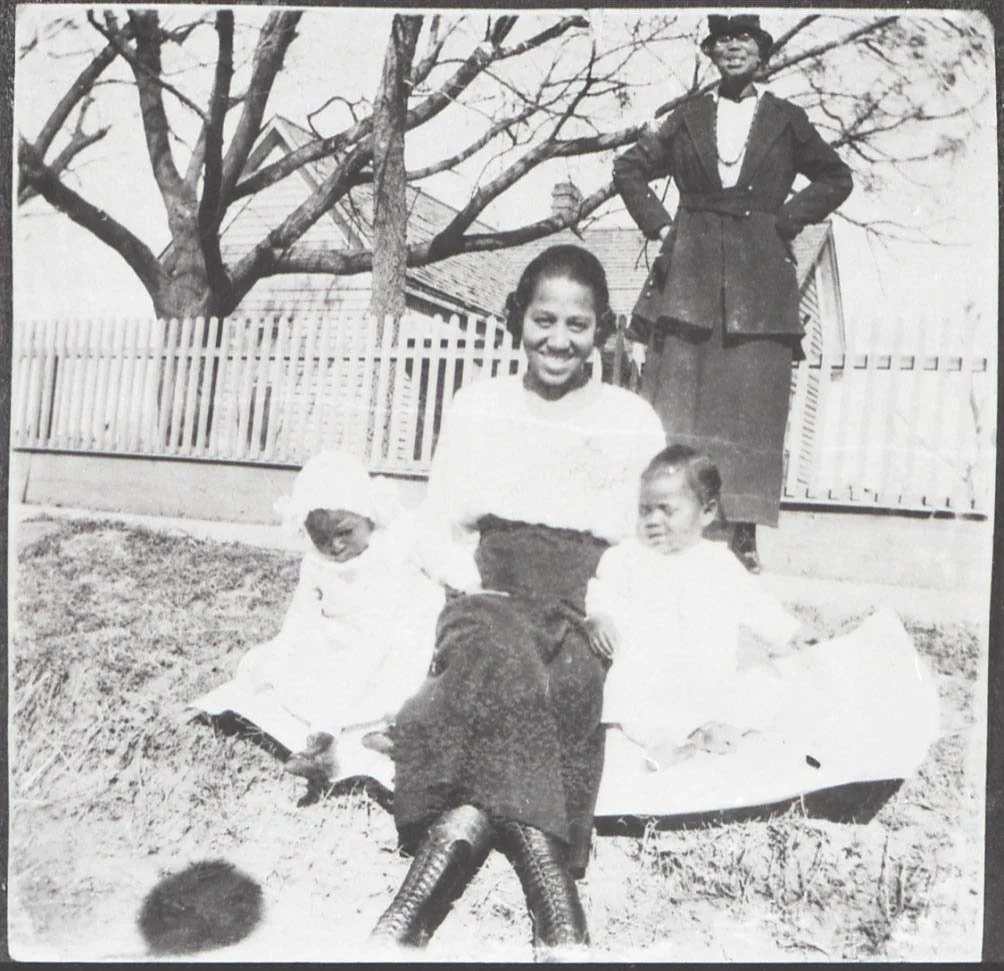
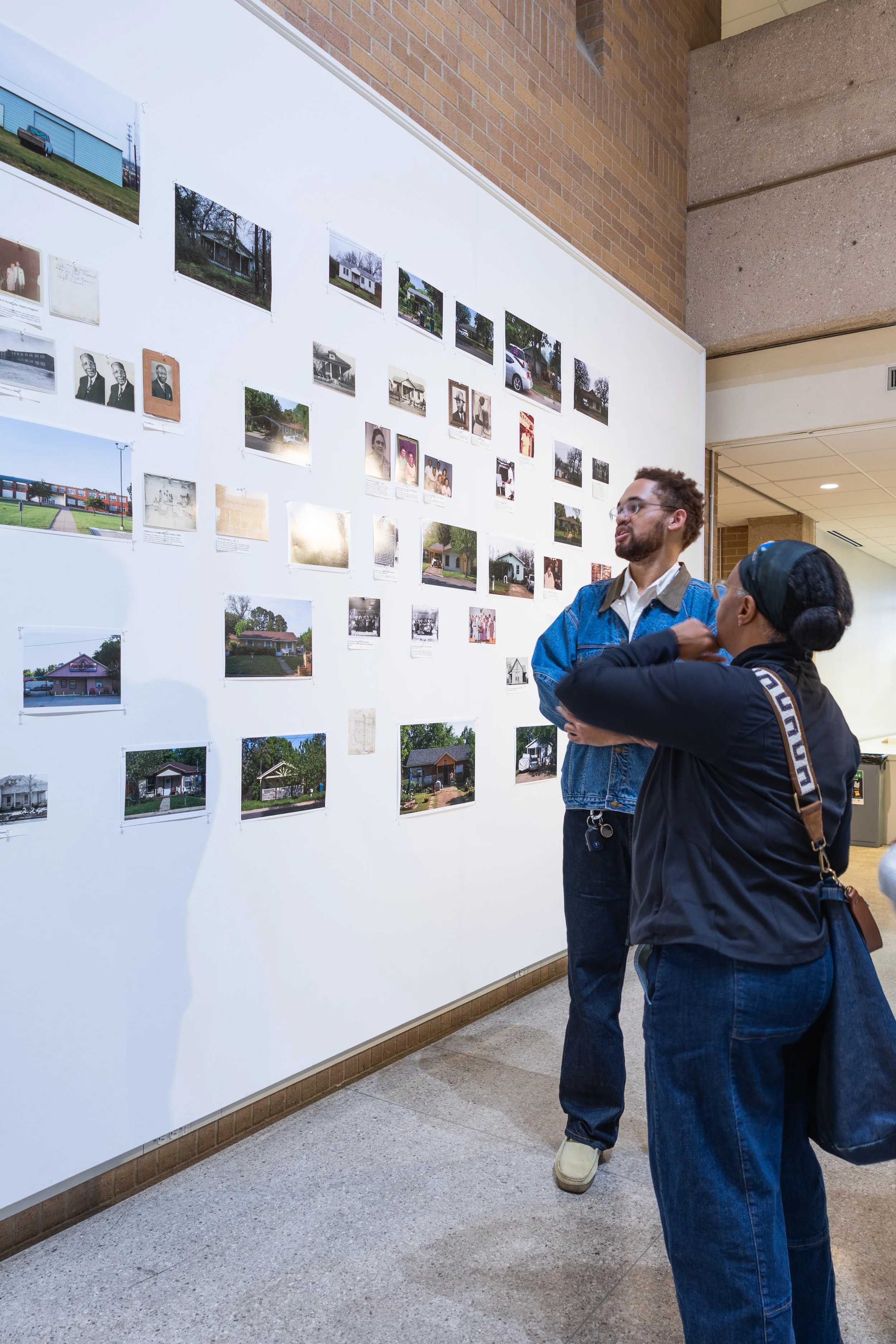
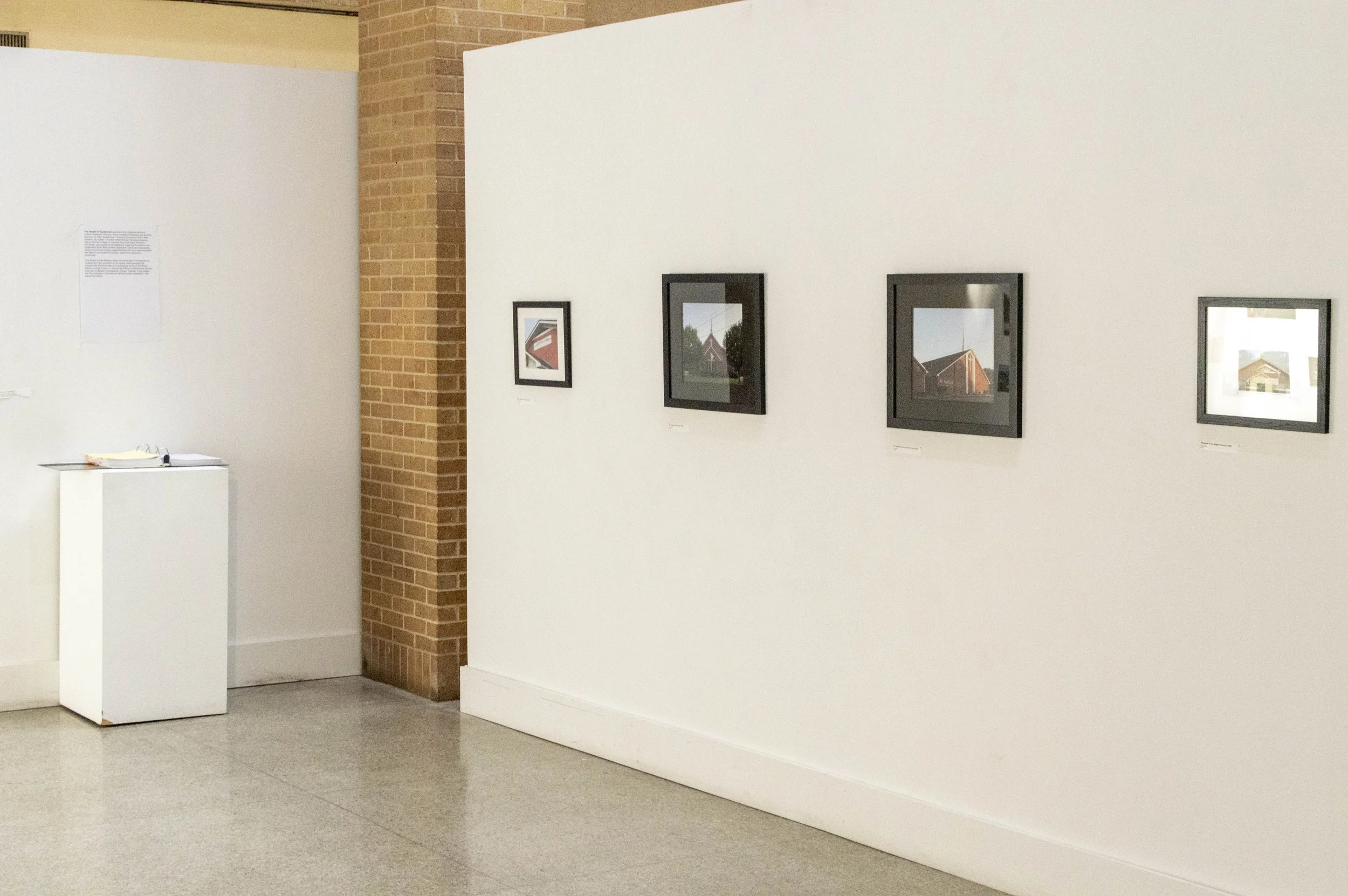
At the center of the photo installation are archival images from the Denton County Historical Commission and The Portal to Texas History. Bordering this organic assemblage are 16 of my own photos, capturing the park’s signs and notable sites. The installation reflects on the linear storytelling of Quakertown’s history in the park and the more complex, nonlinear reality.
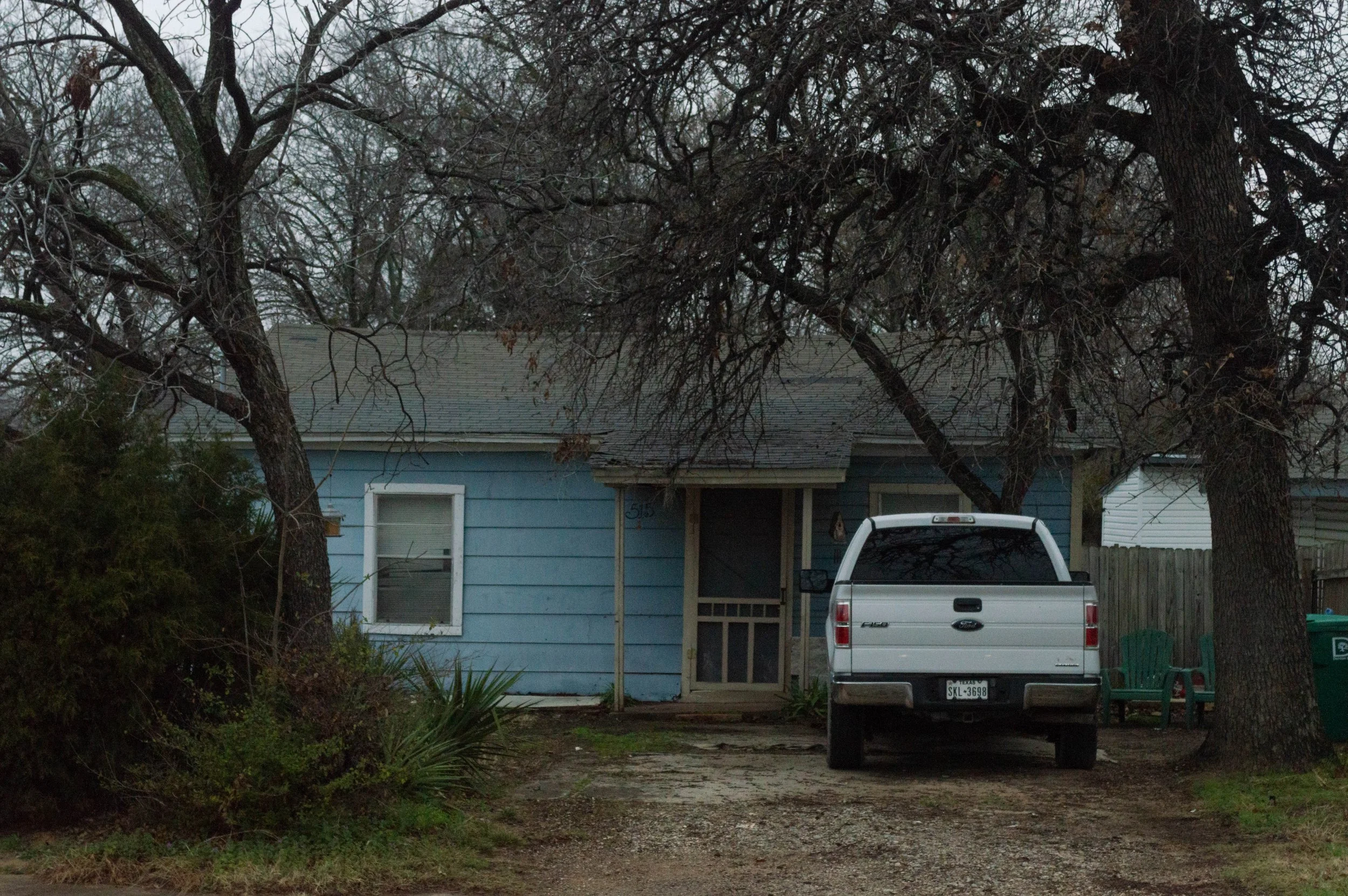
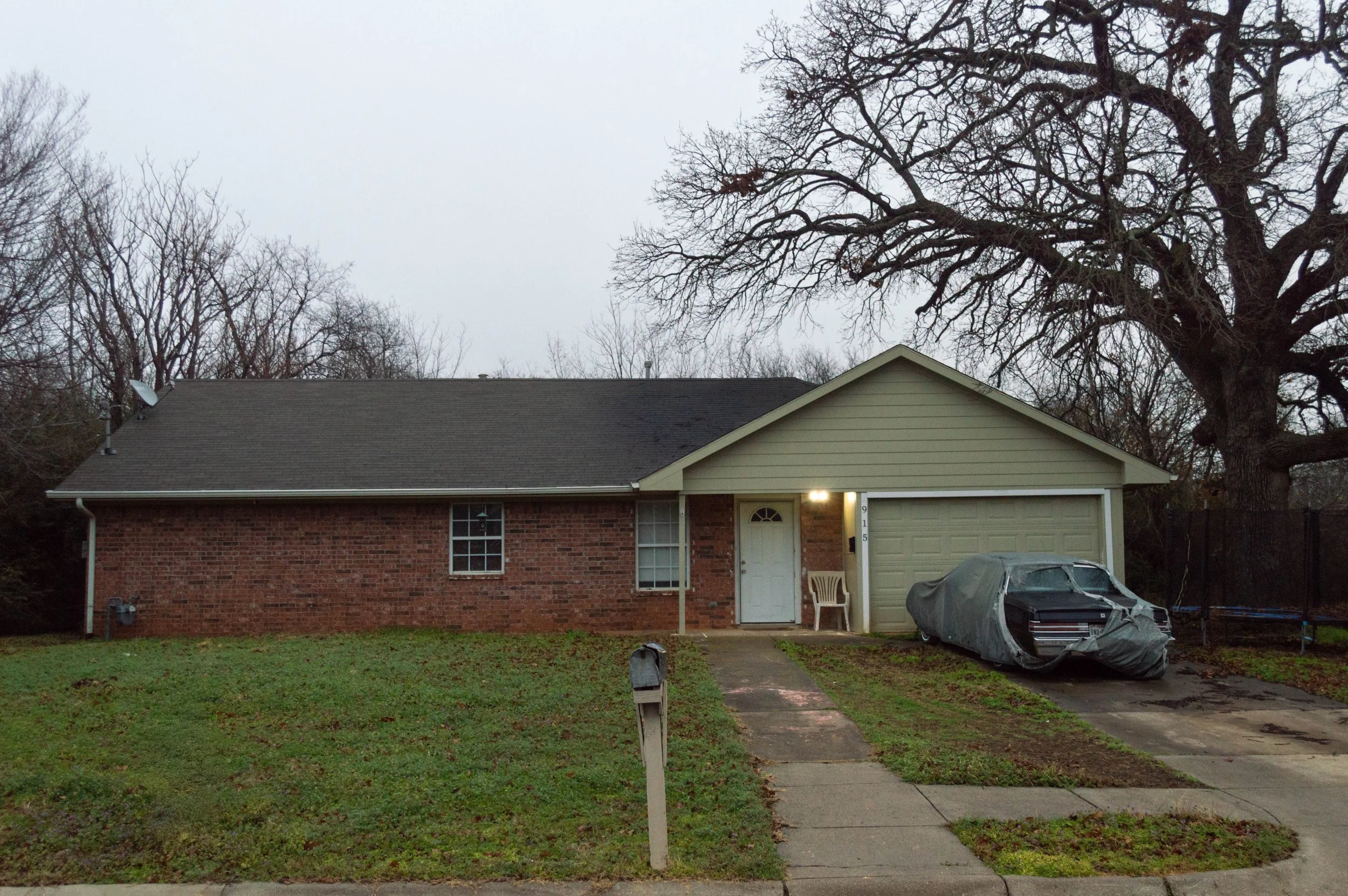
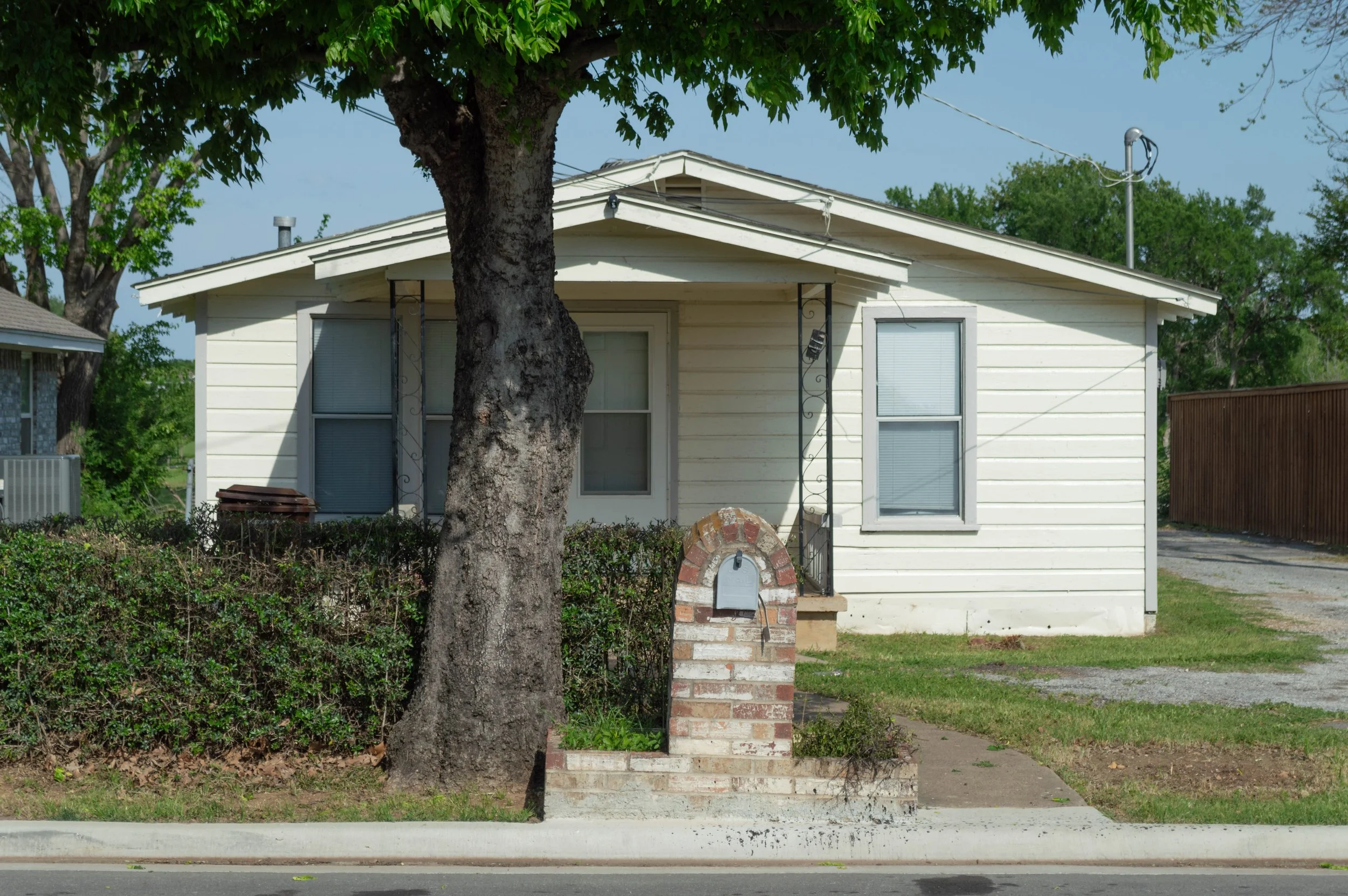
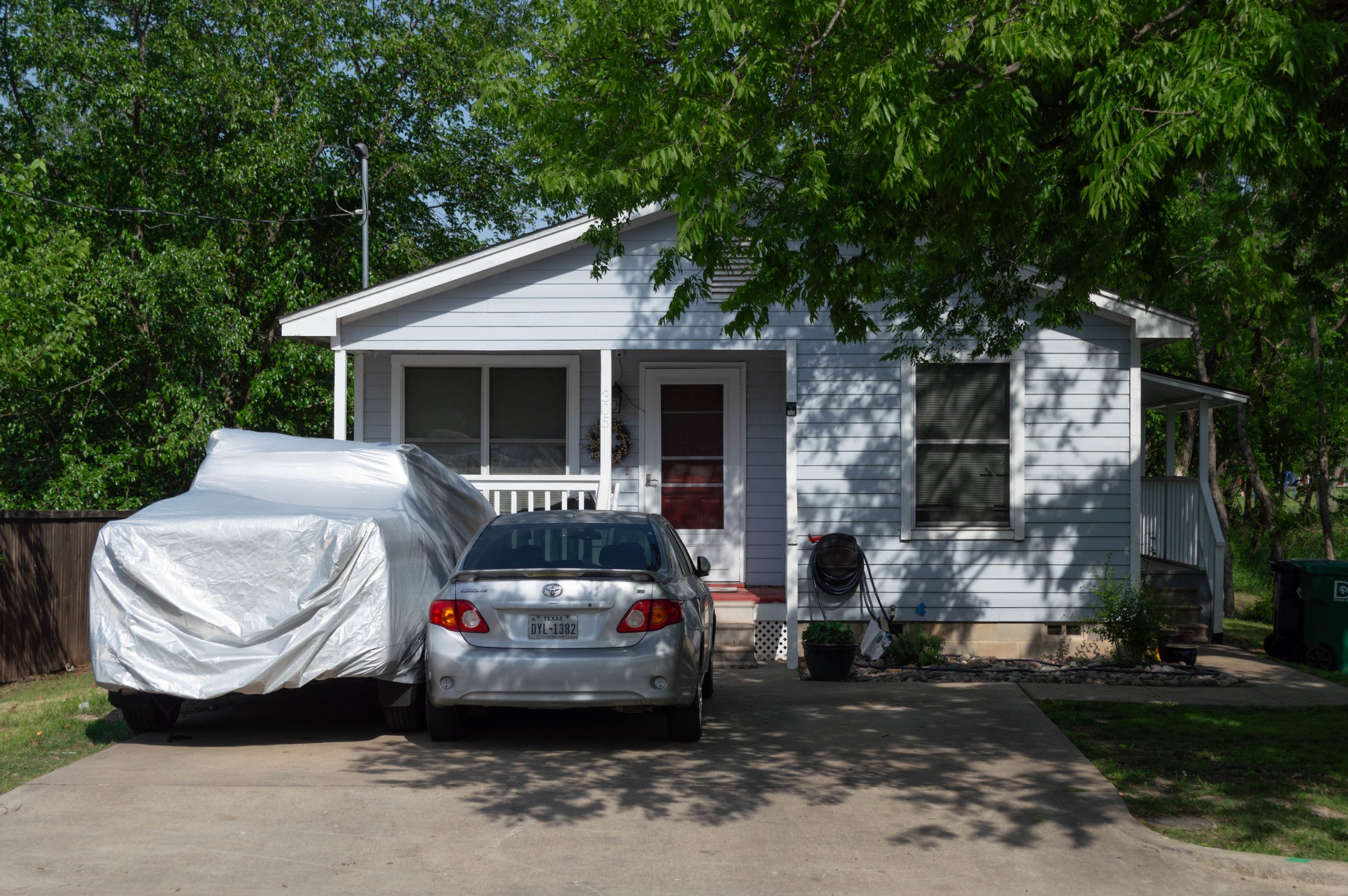
SE Denton
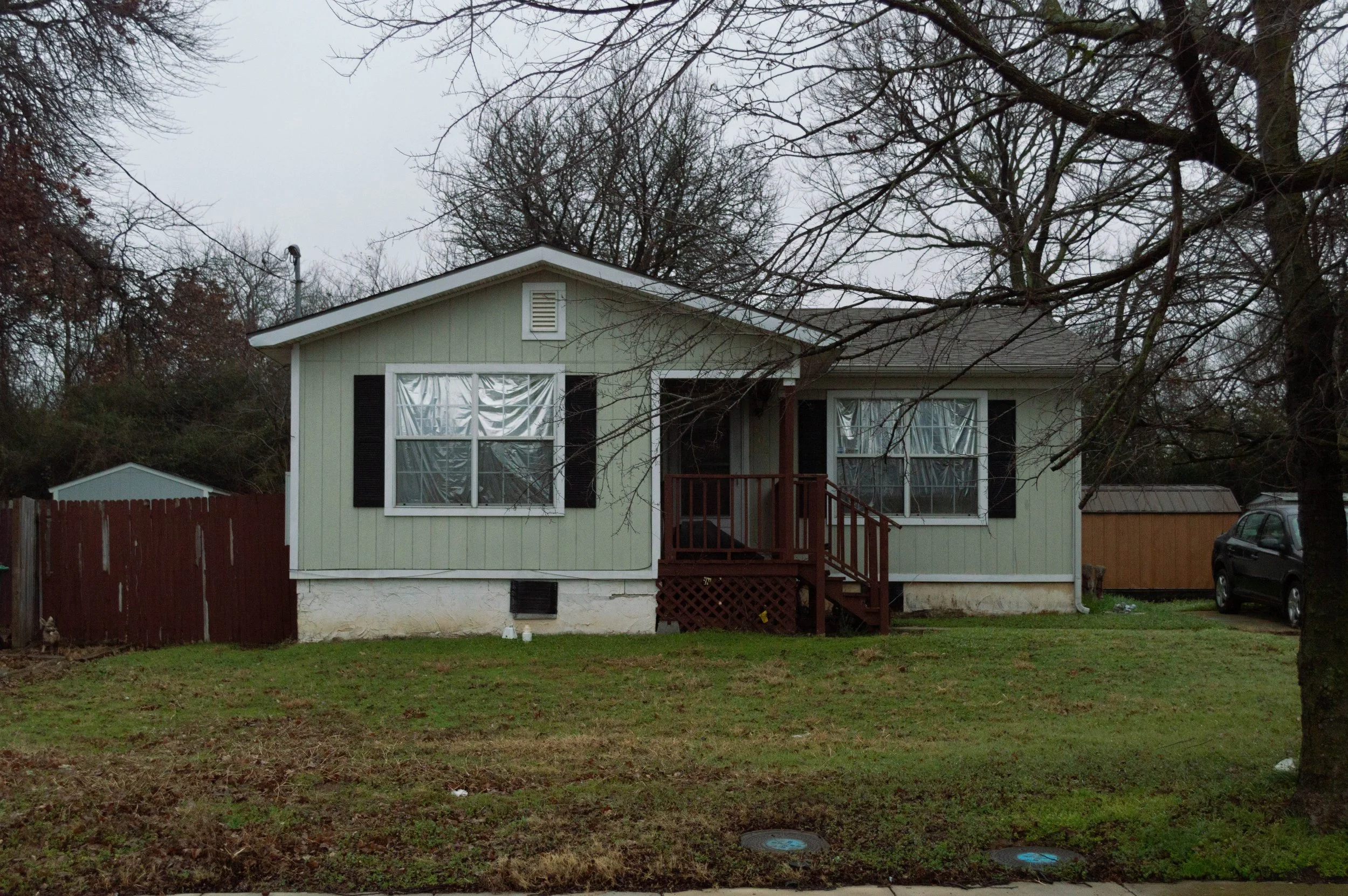
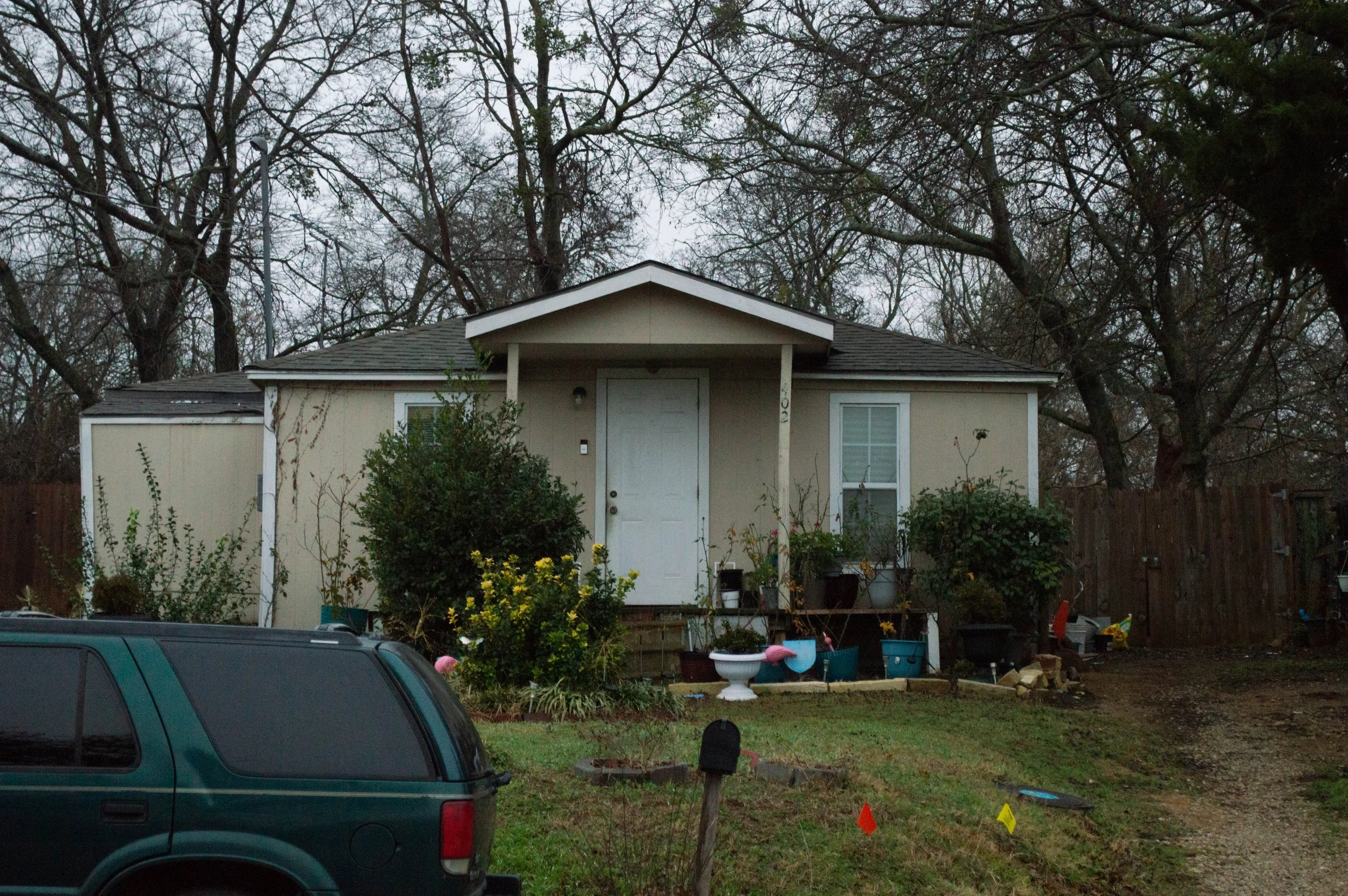
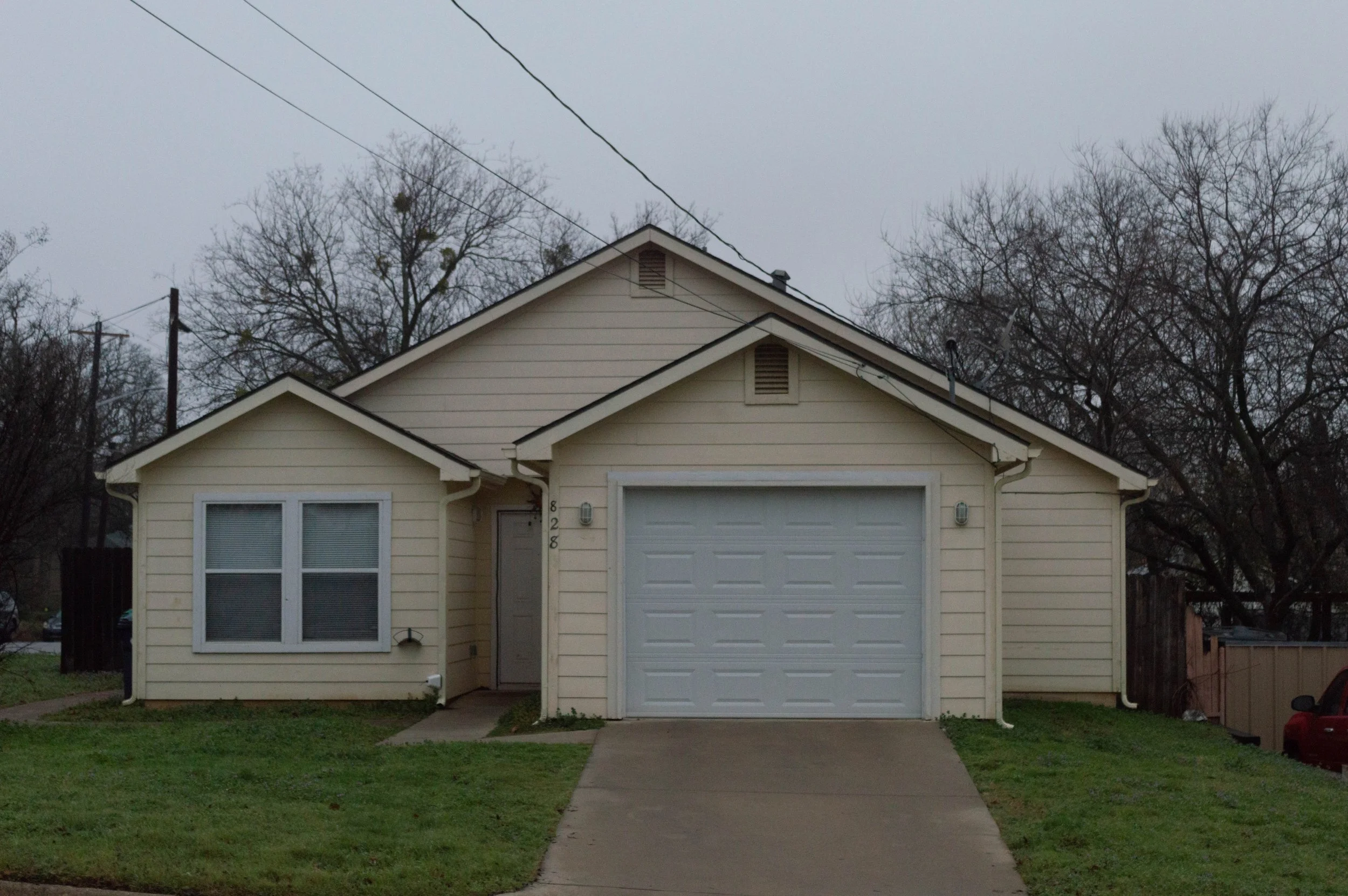
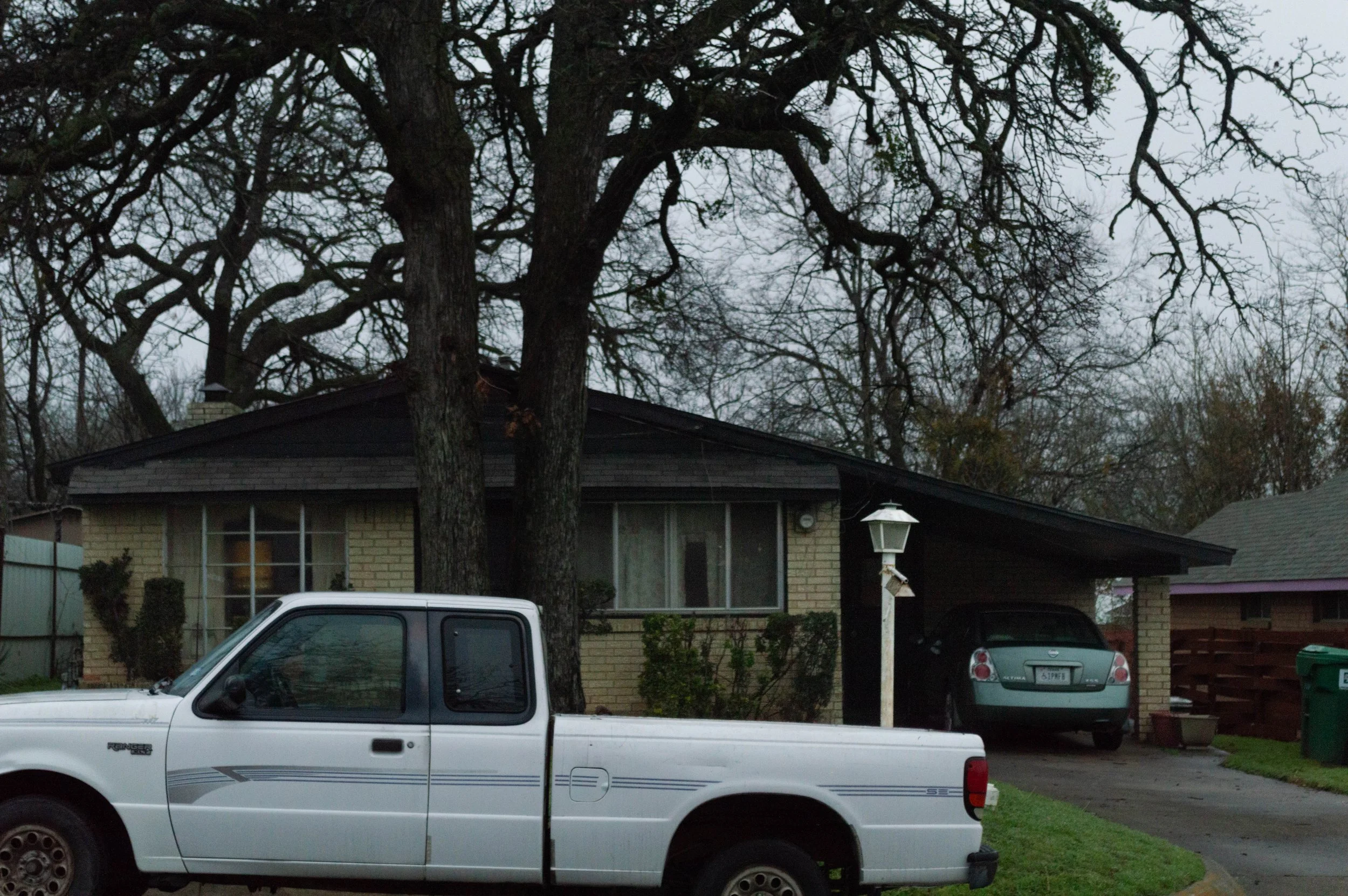
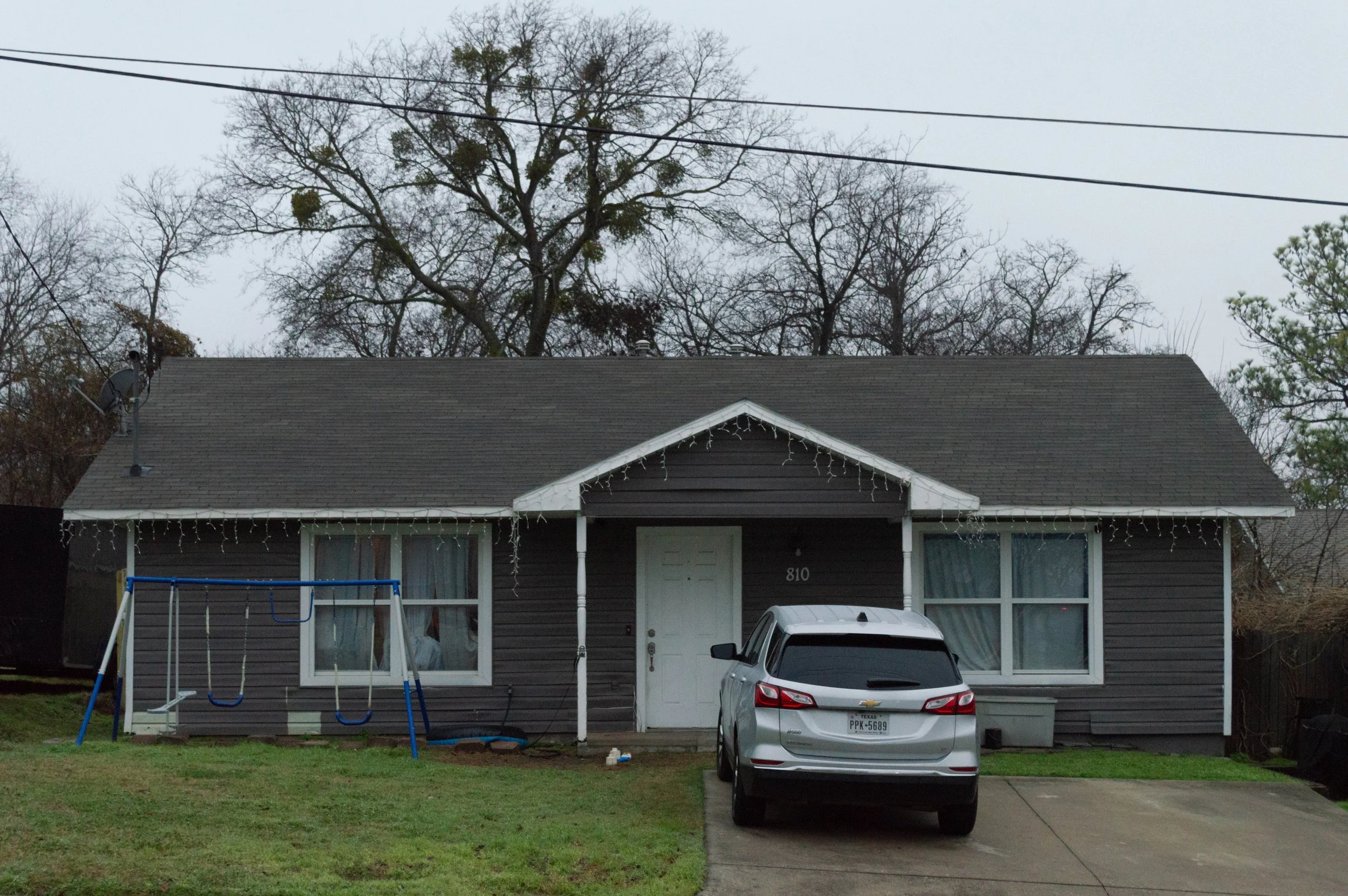
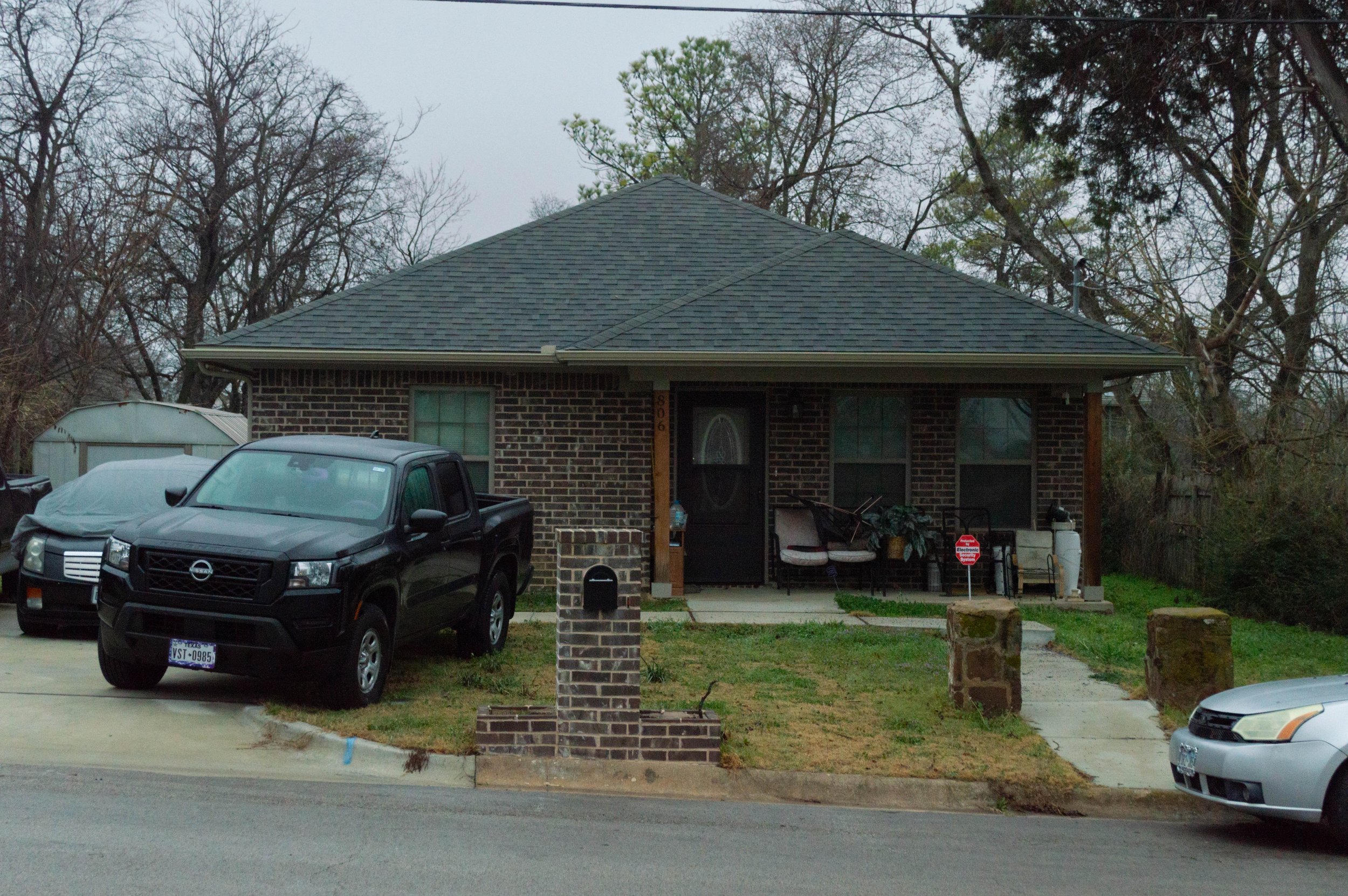
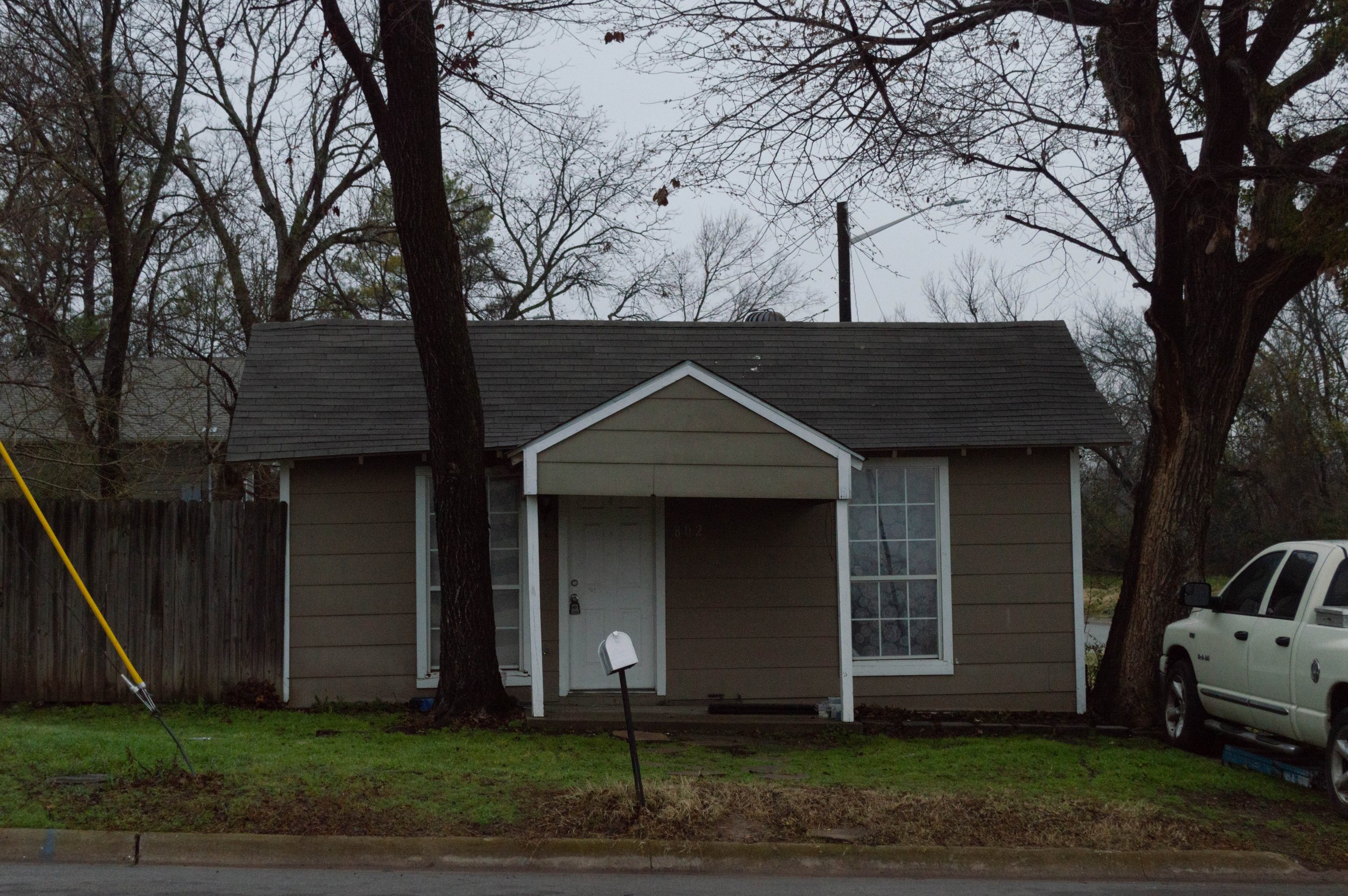
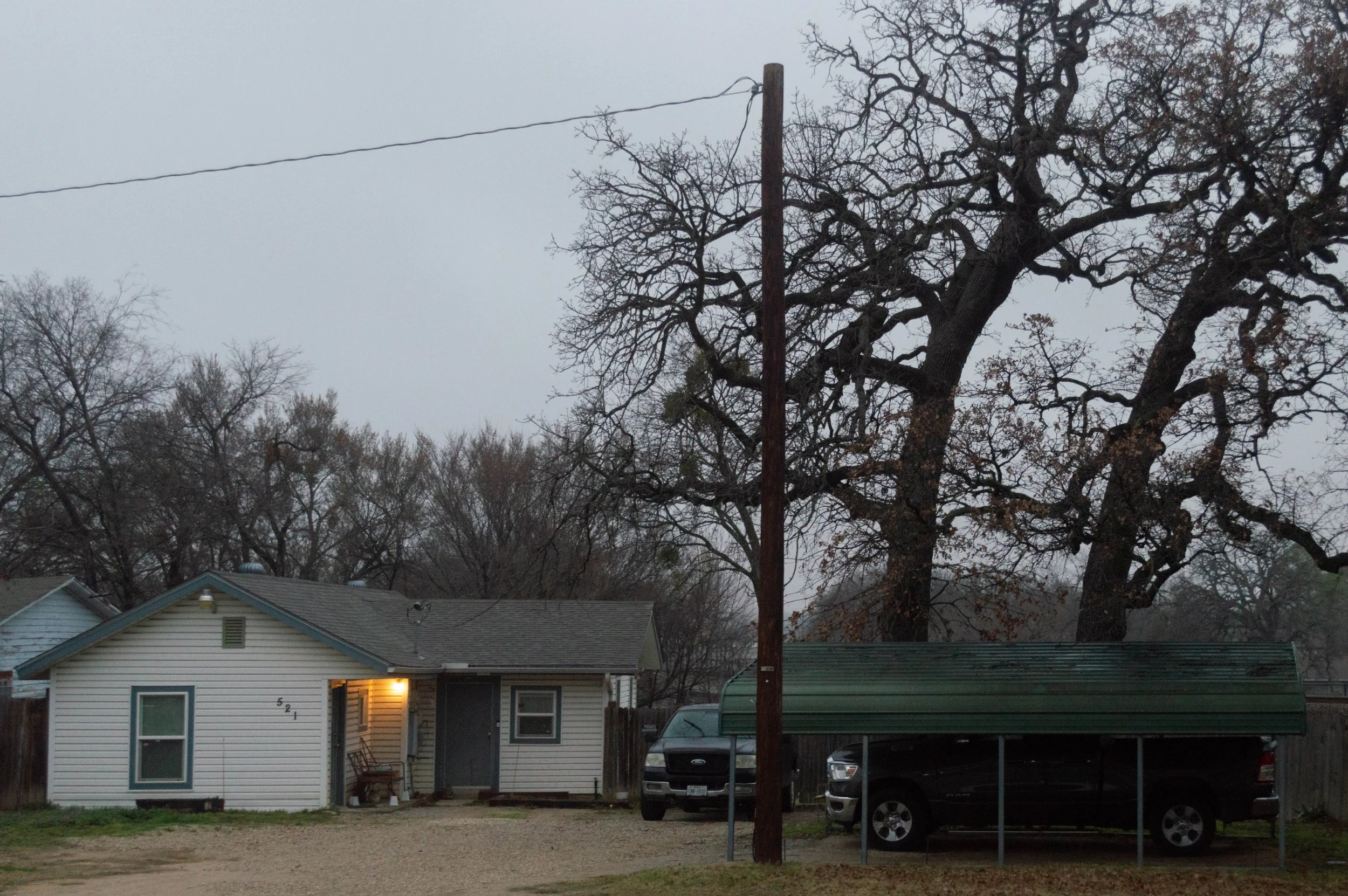
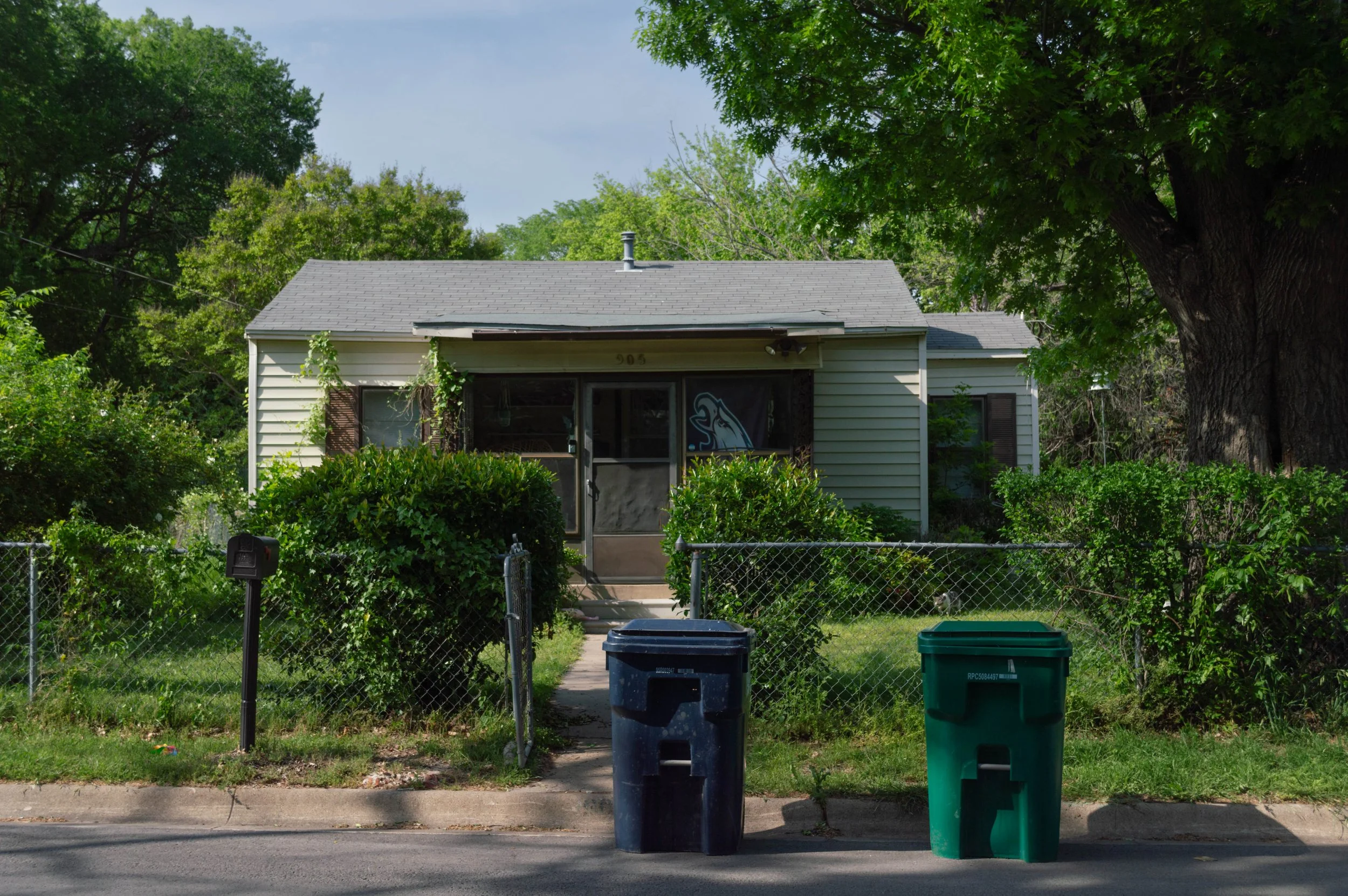
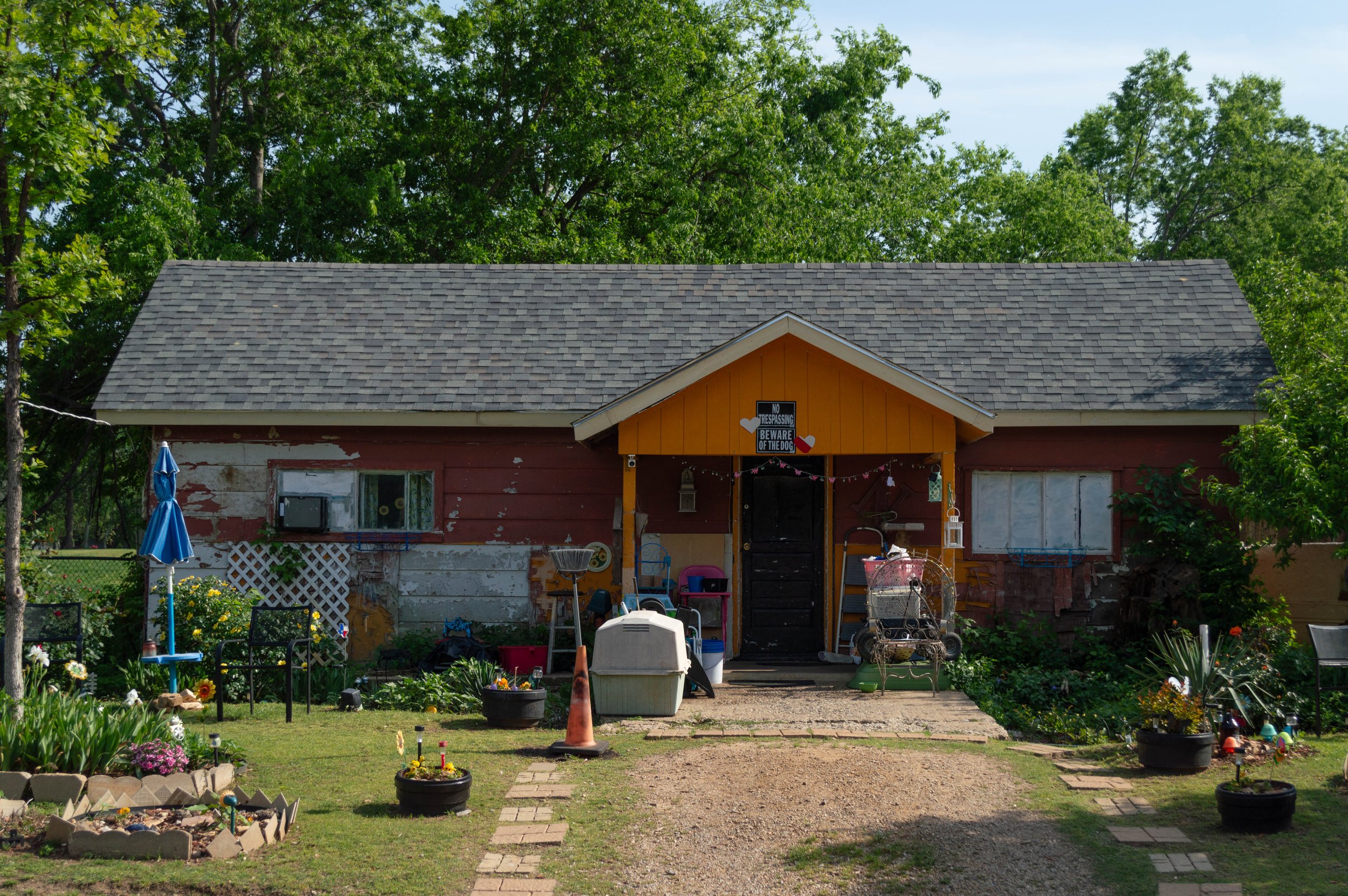
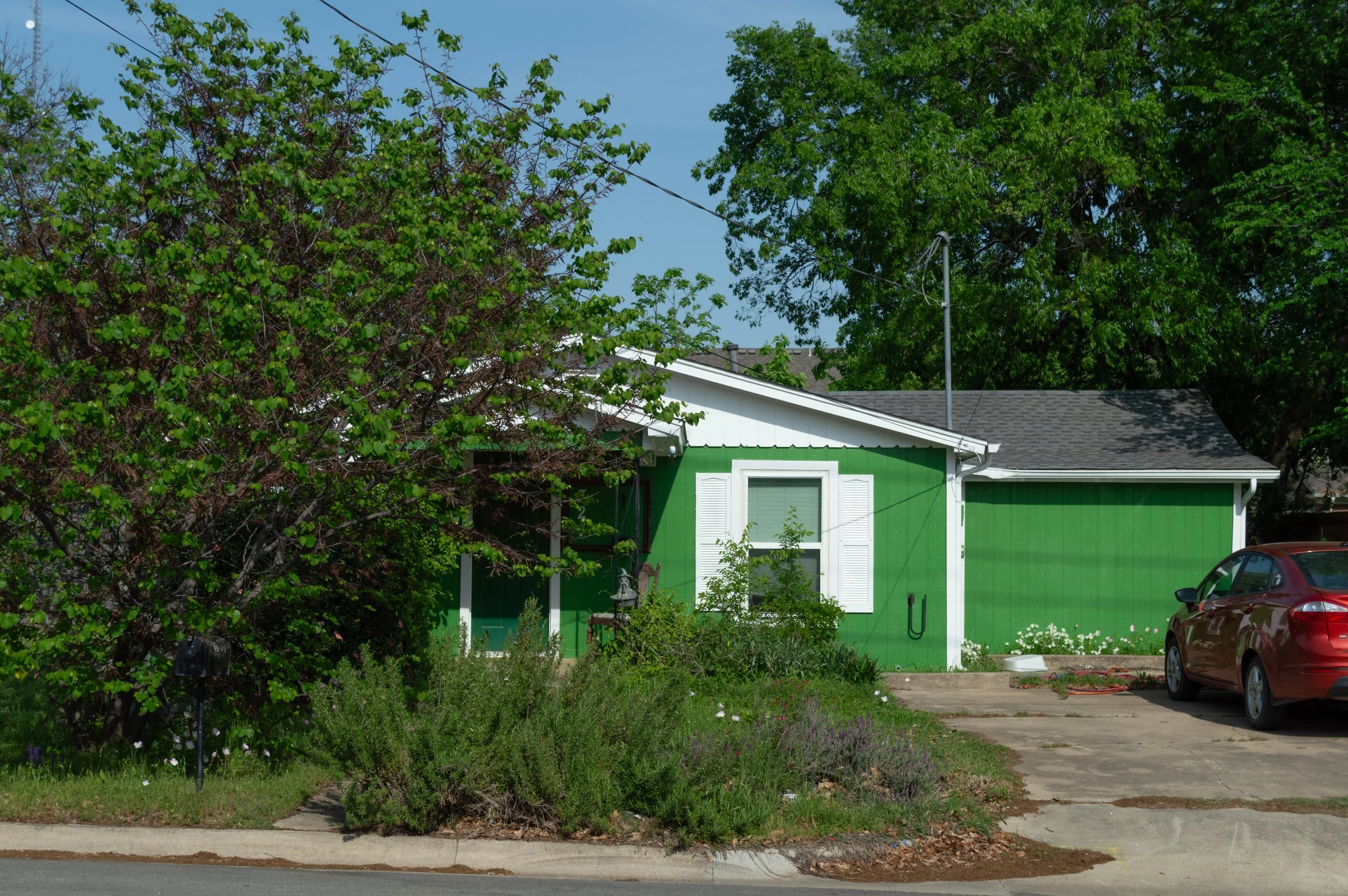
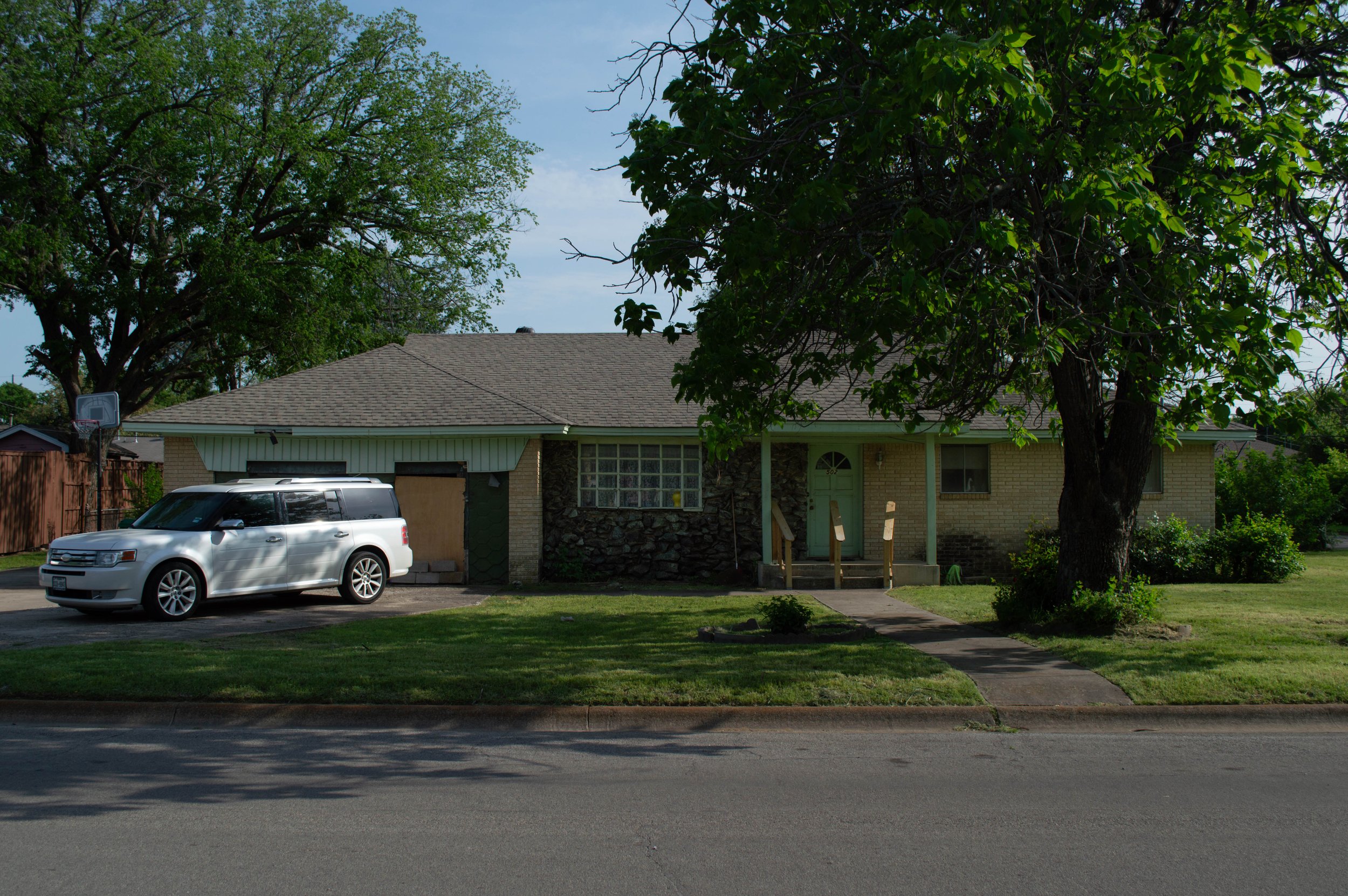
The migration of former Quakertown residents to Southeast Denton marked the creation of a new built environment on land originally offered to them in 1922. Today, Southeast Denton is defined by Bell Avenue and Dallas Drive to the west, Shady Oaks Drive to the south, S. Woodrow Lane to the east, and E. McKinney Street to the north.
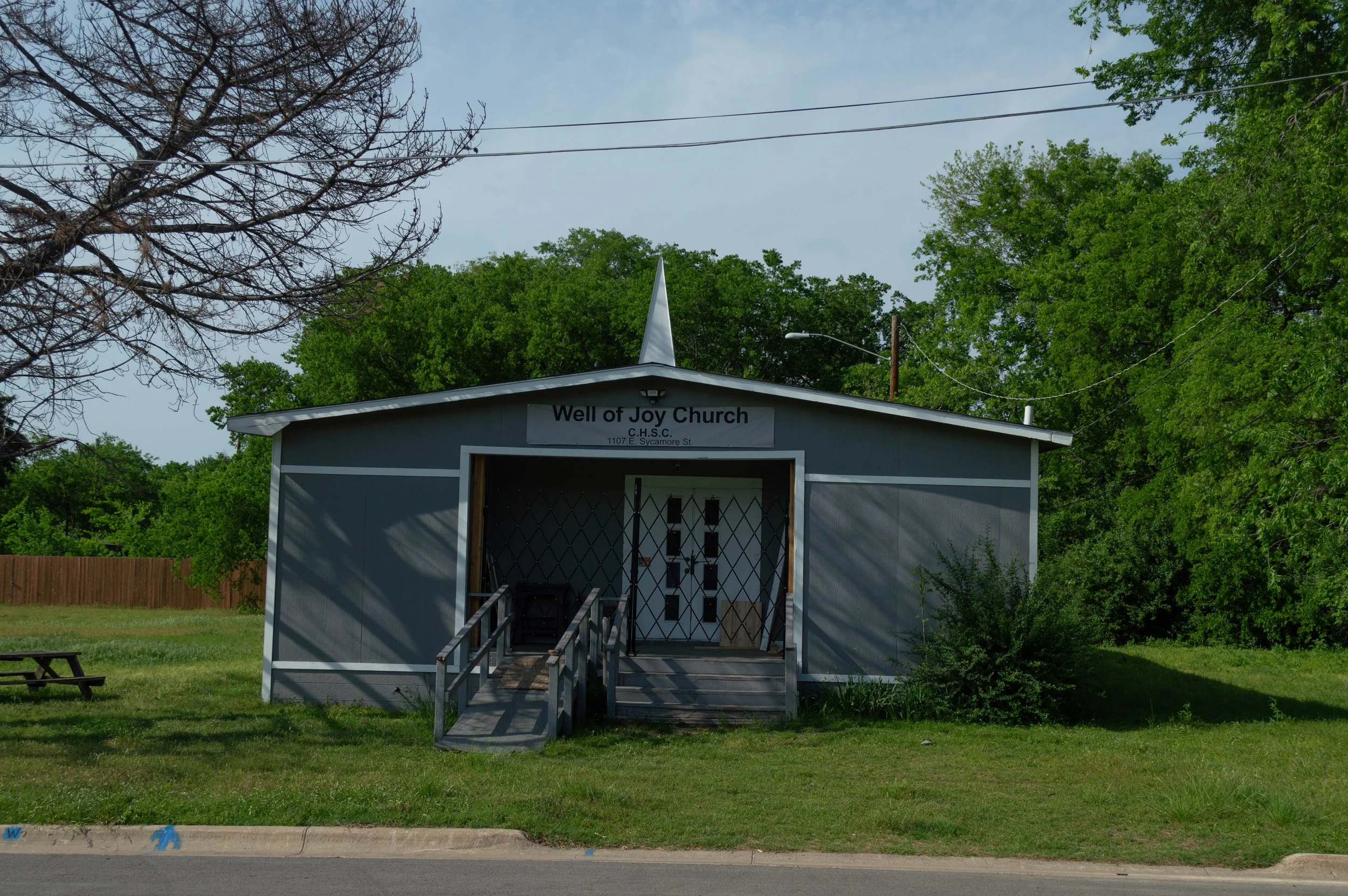
Recently the City of Denton has had a renewed interest in Southeast Denton, as it is home to many historically Black churches and holds a deep cultural significance. In 2019, sleek sign toppers were installed to highlight key areas, such as Fred Moore High, Freedmen Town, Lincoln Park, and Solomon Hill— the name of the original plot of land where the first residents settled. Yet, despite these efforts toward preservation, the community faces the forces of gentrification. New developments are emerging, and demographic changes are shifting the neighborhood’s makeup as newcomers are drawn to its affordability and location.
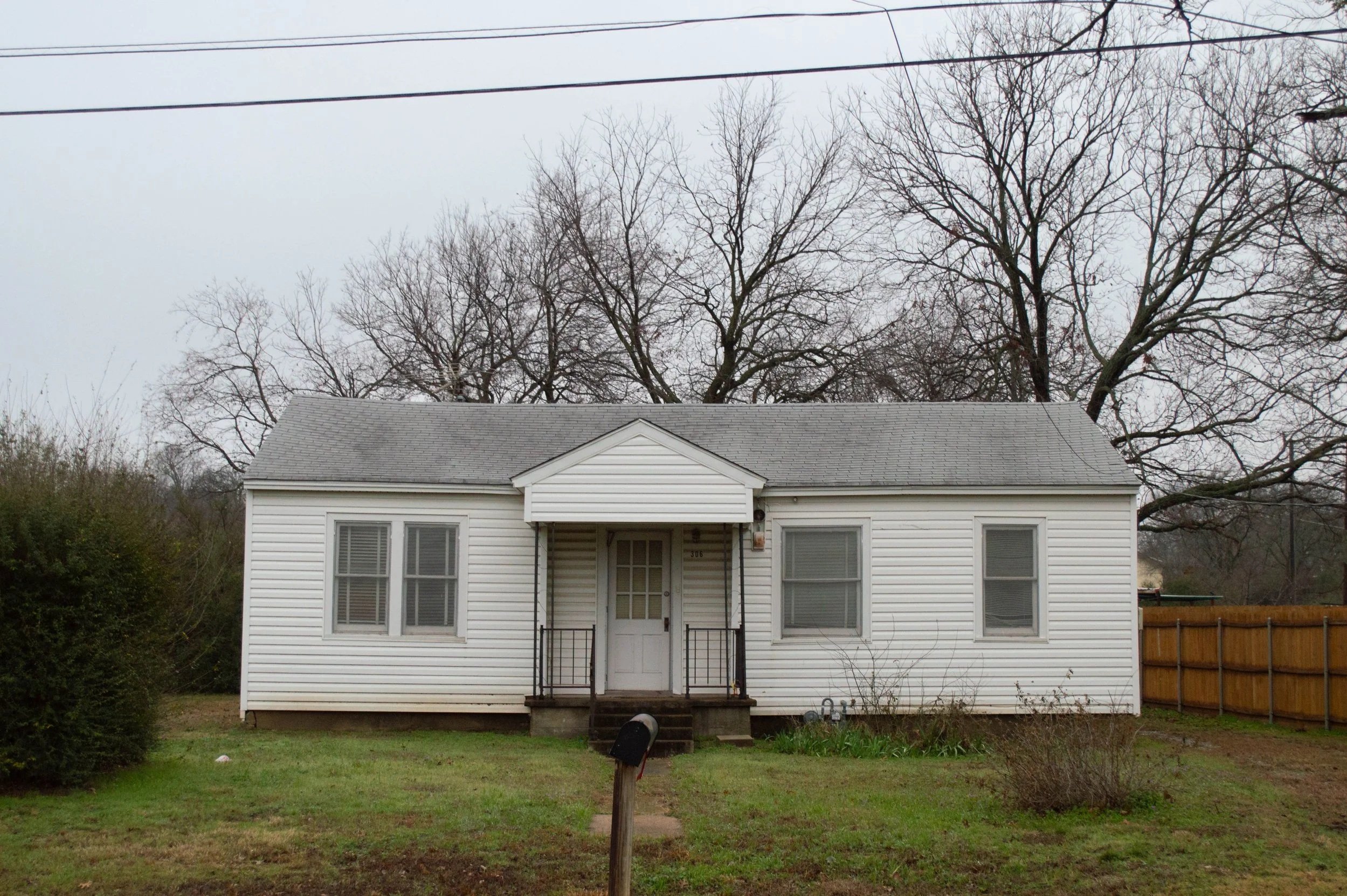
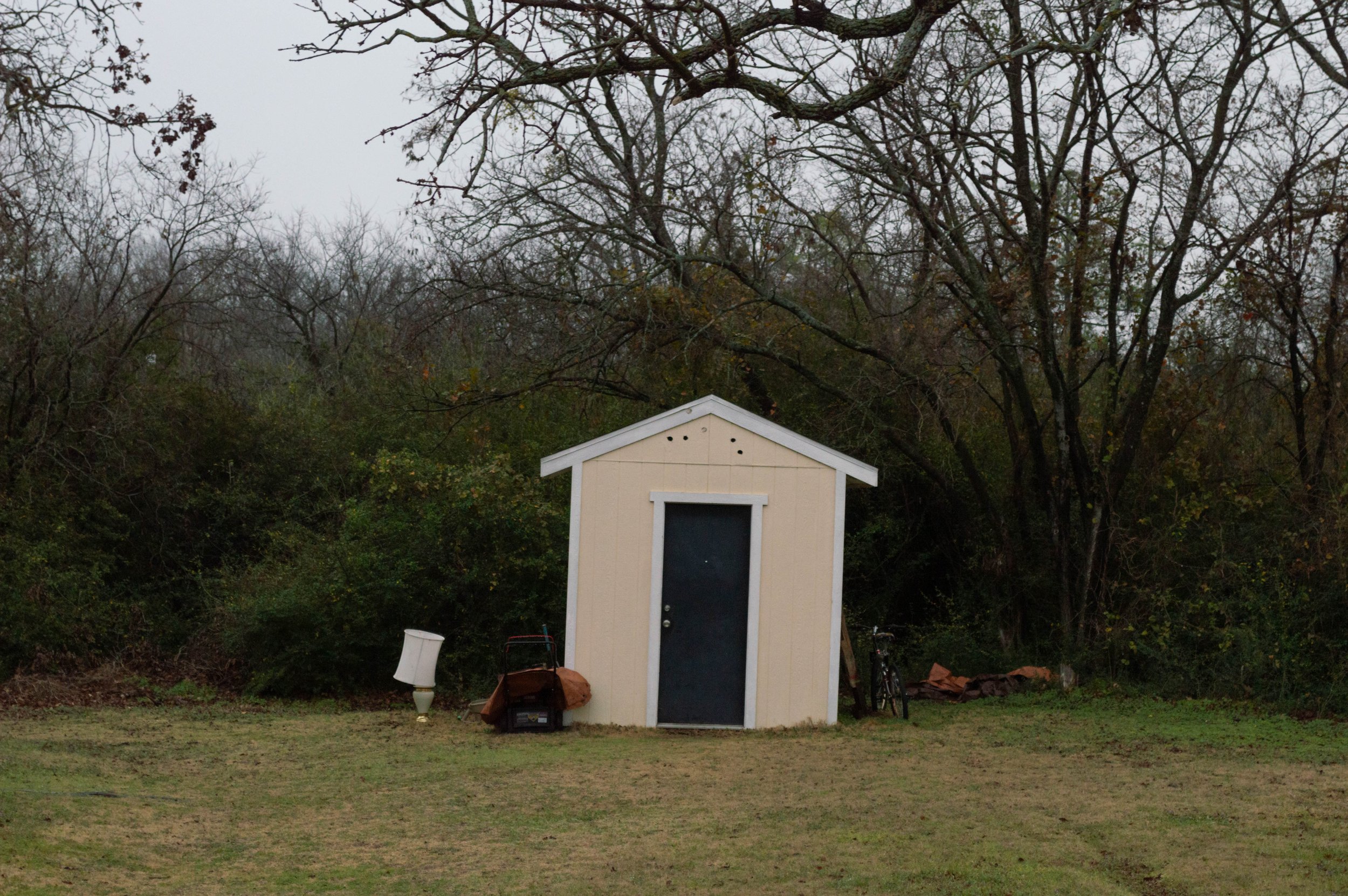
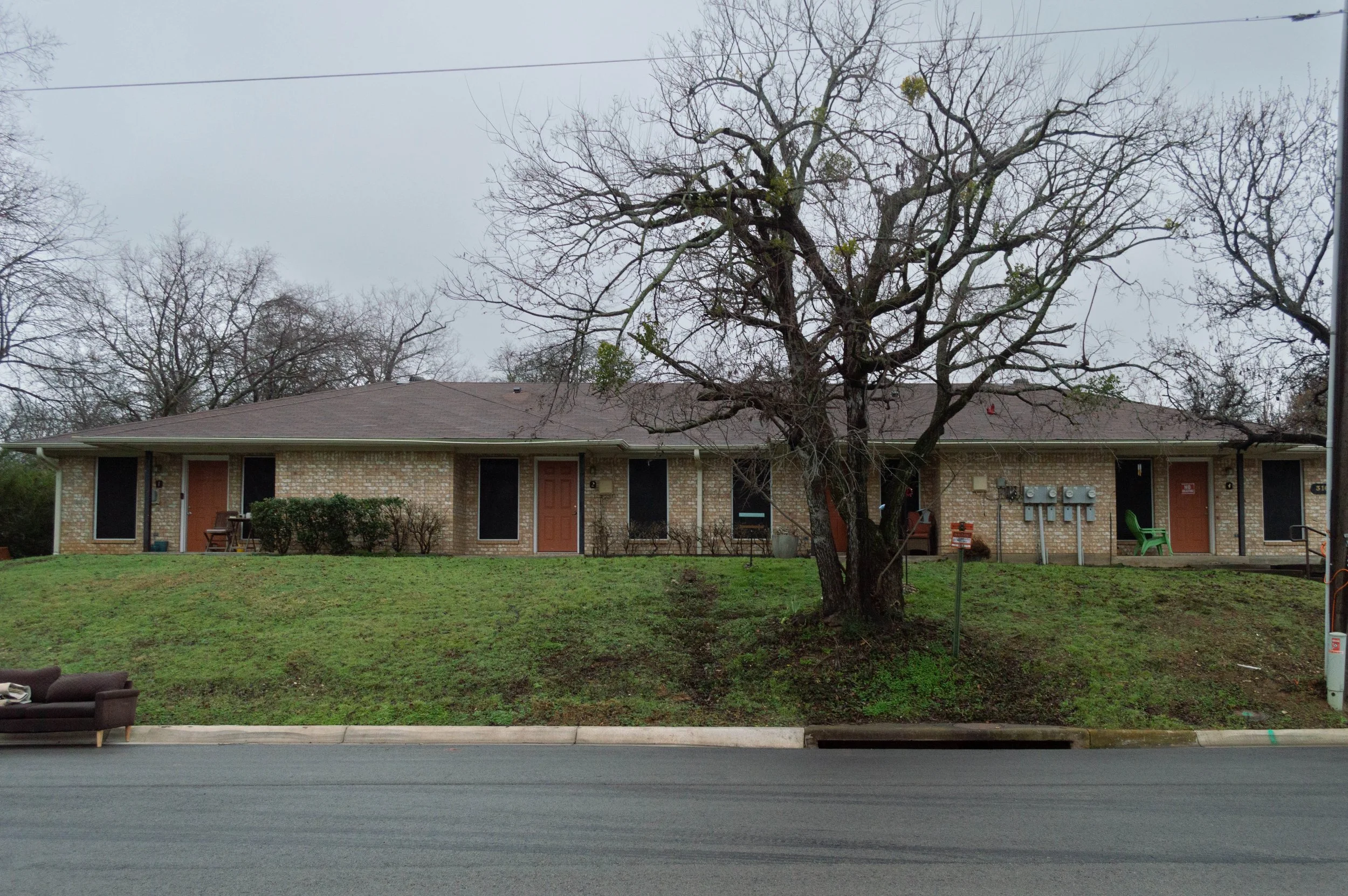
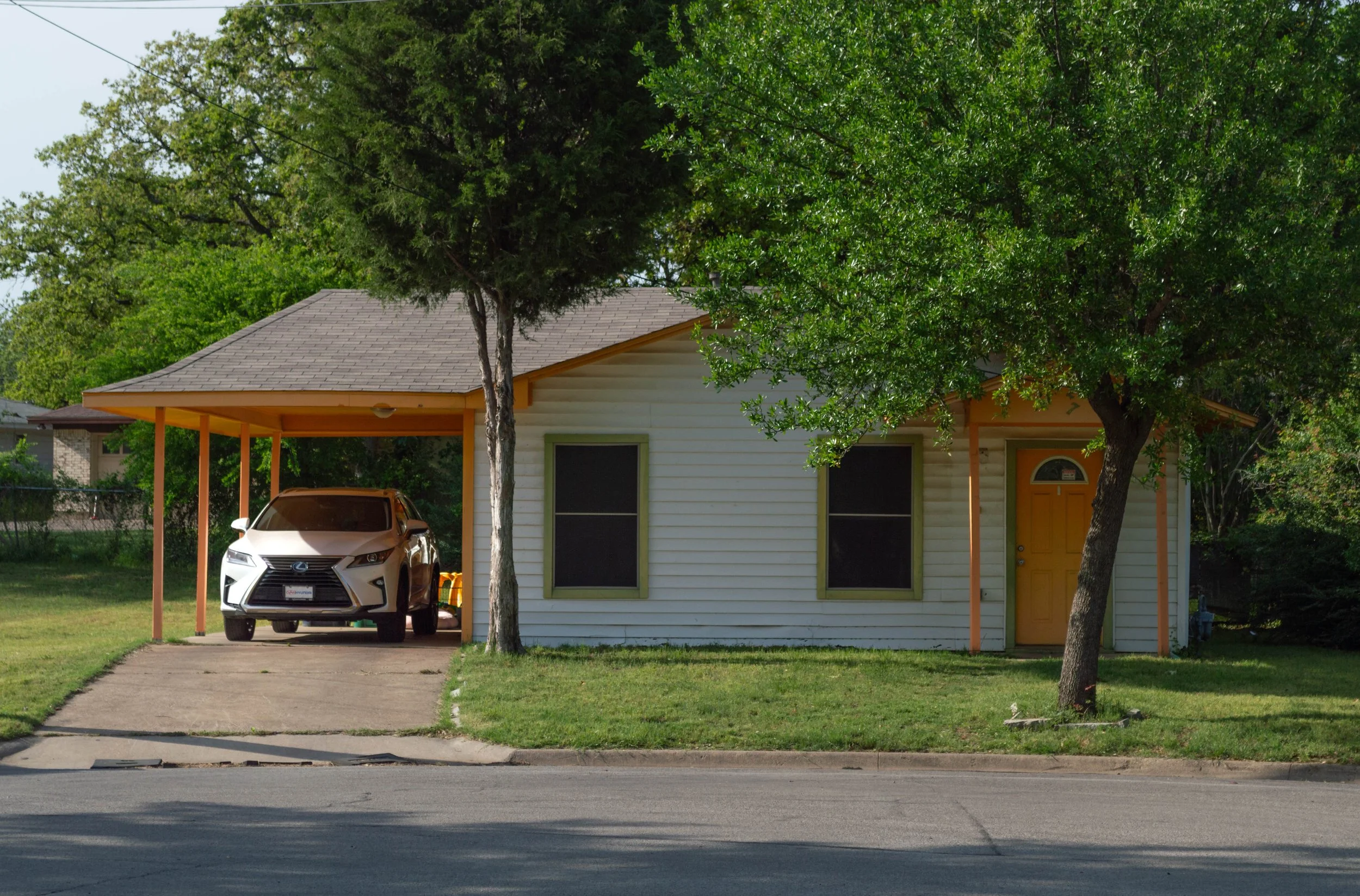
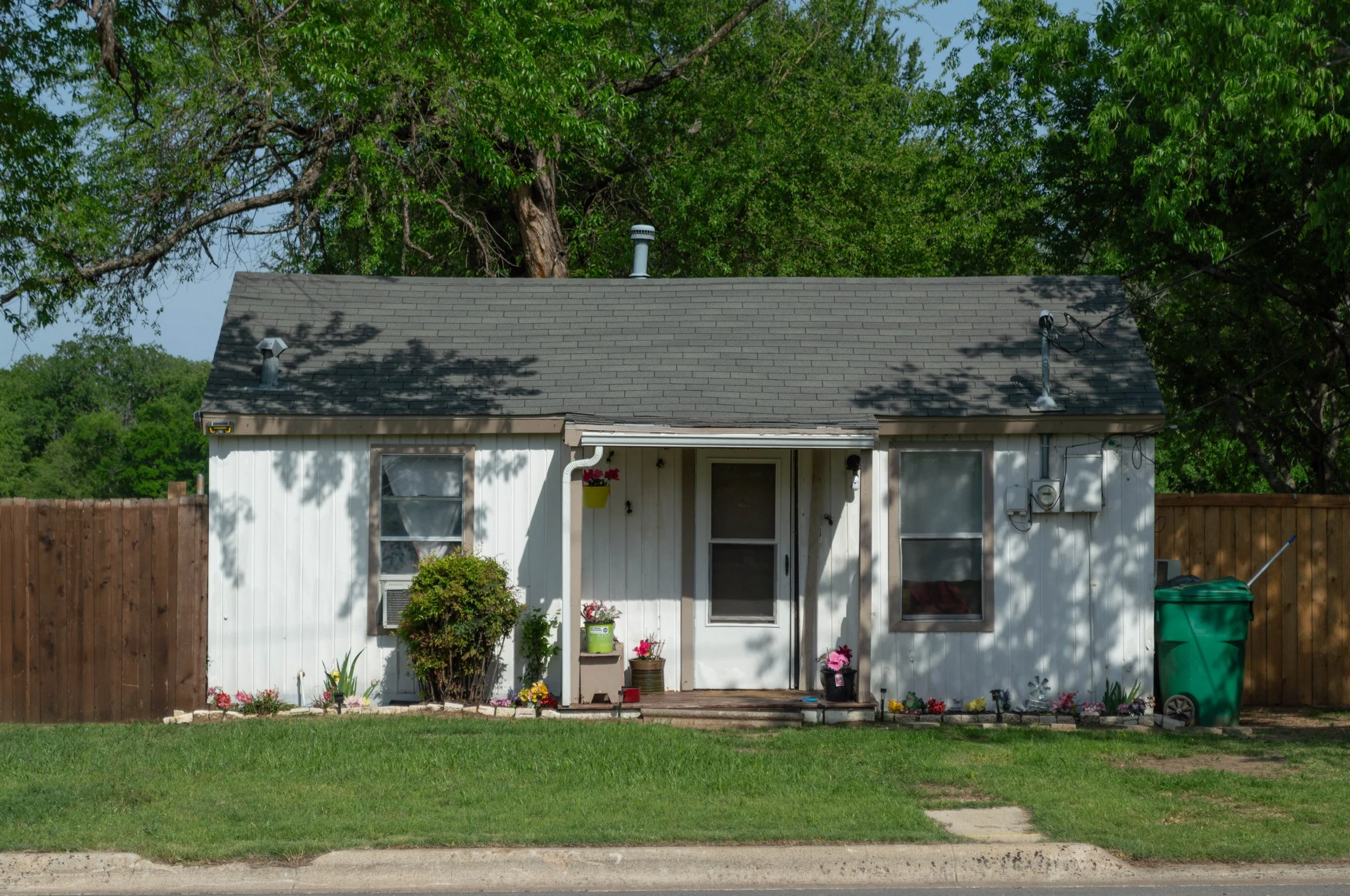
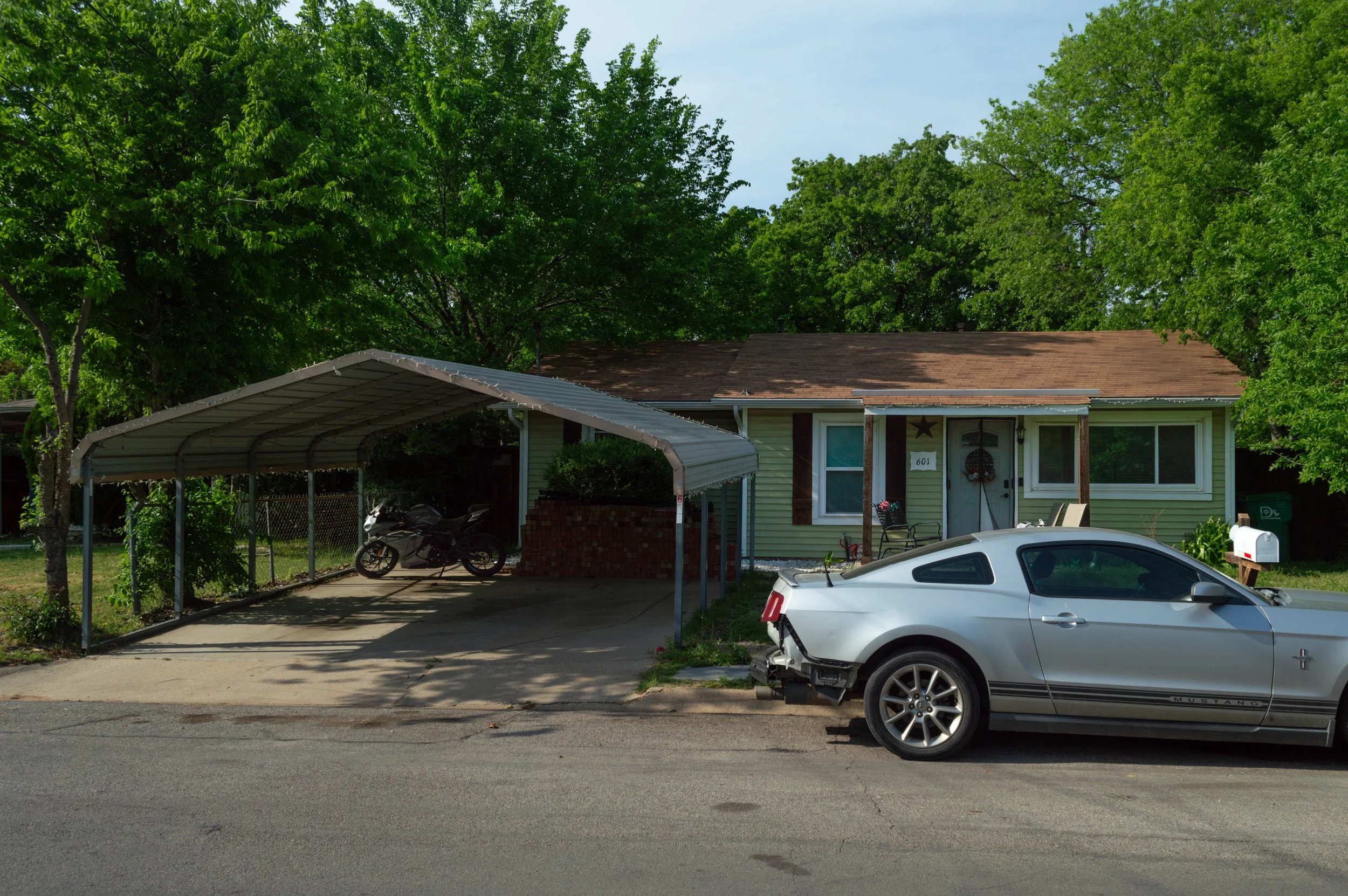
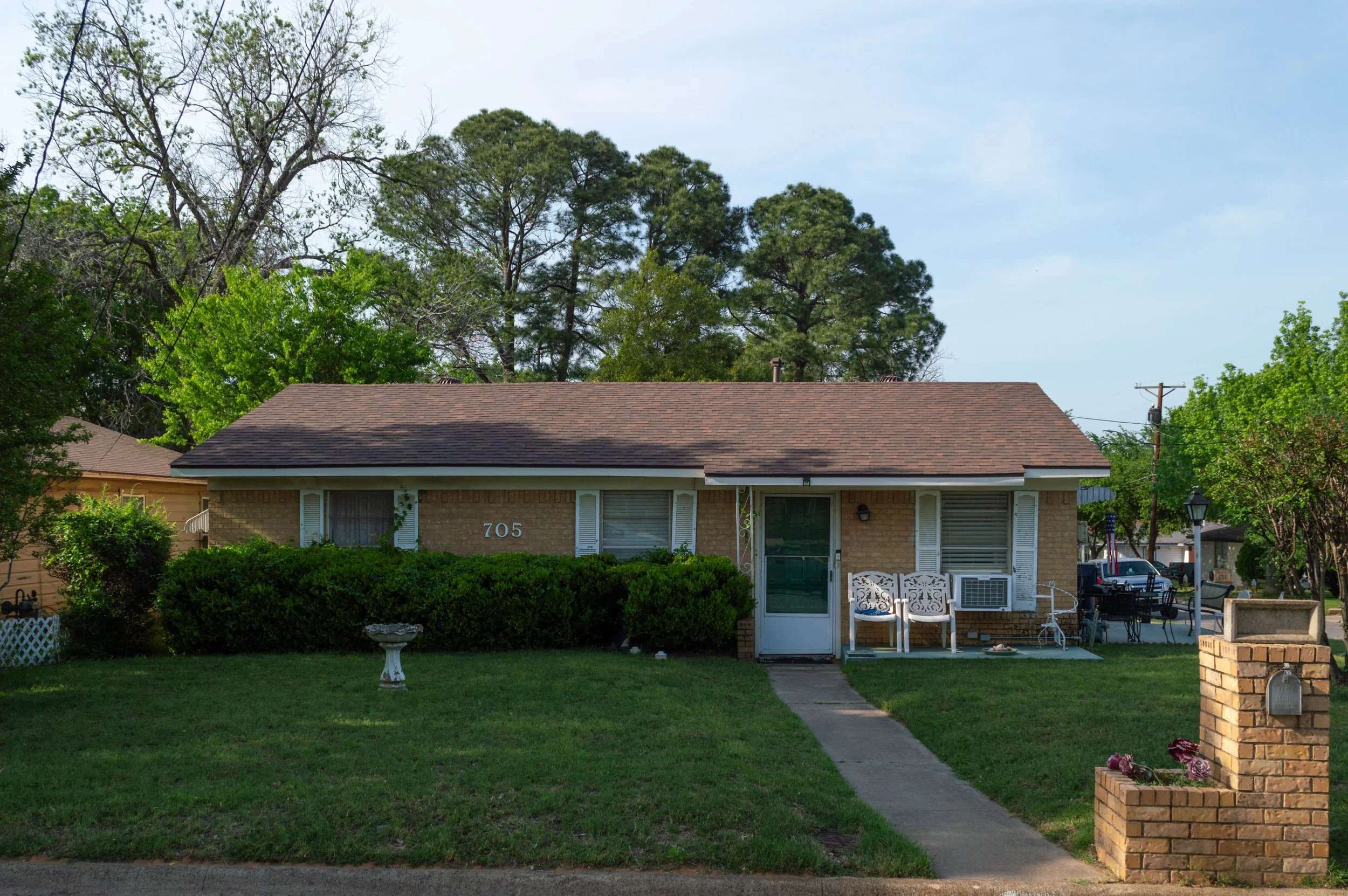
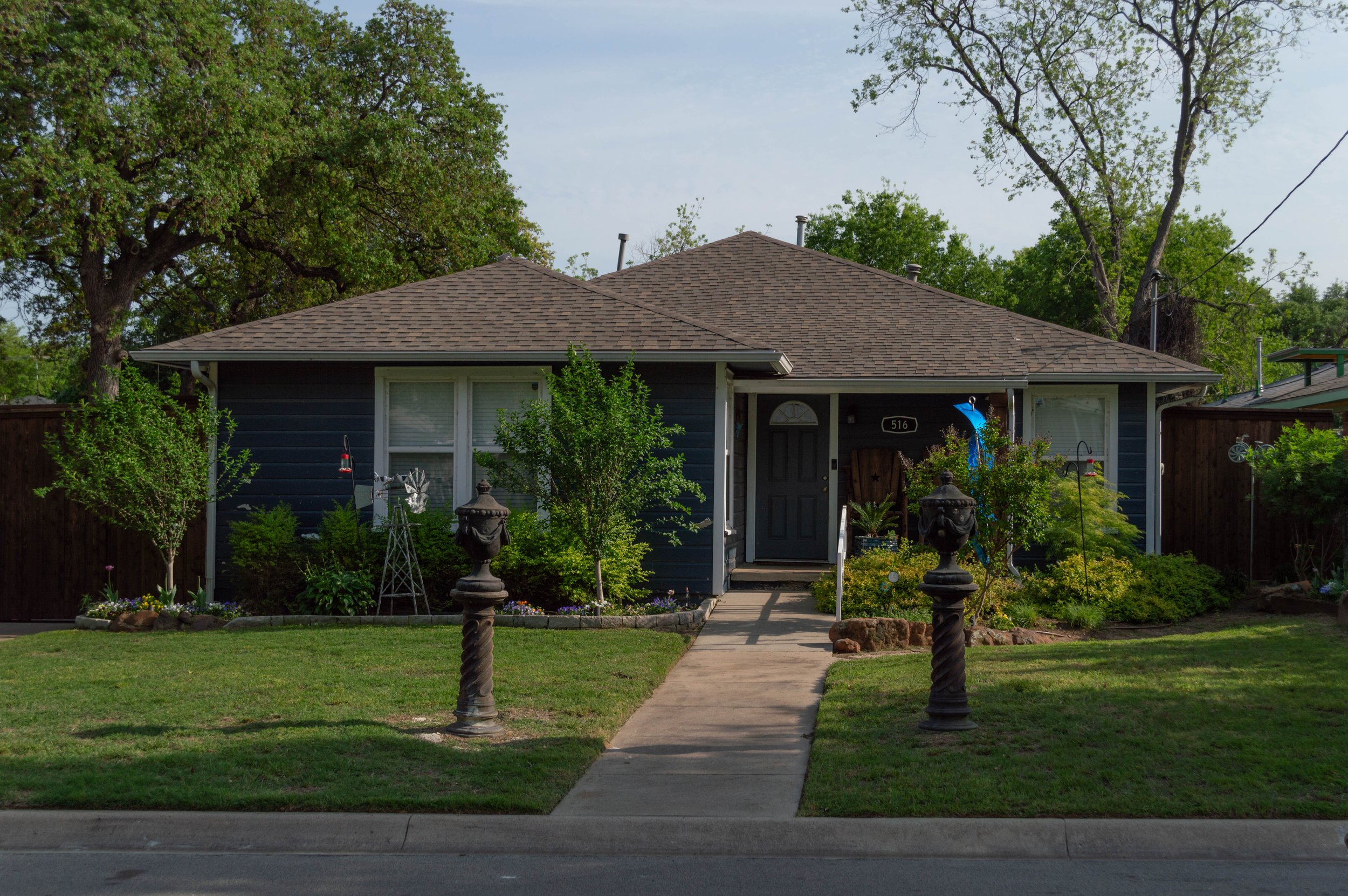
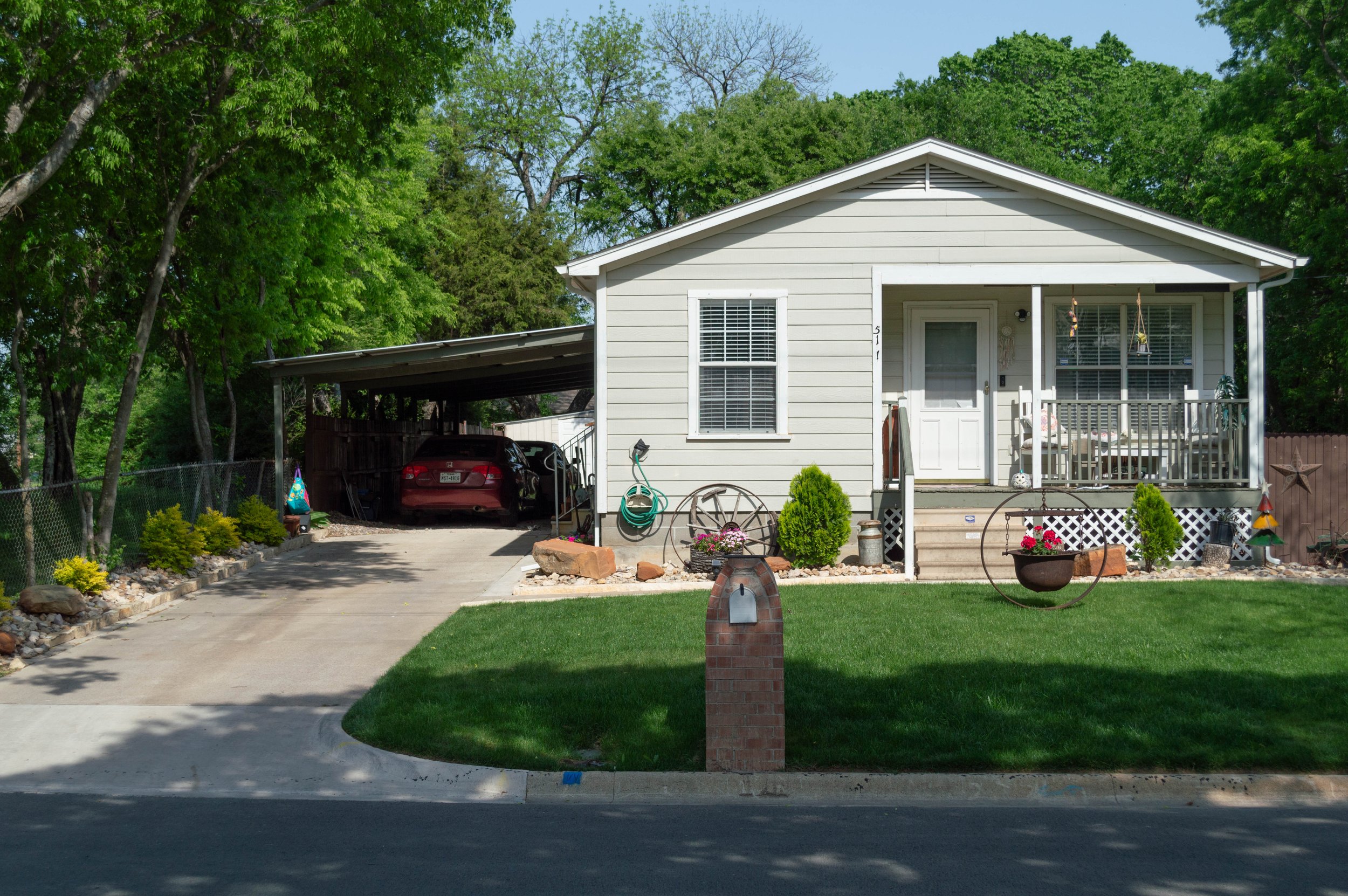
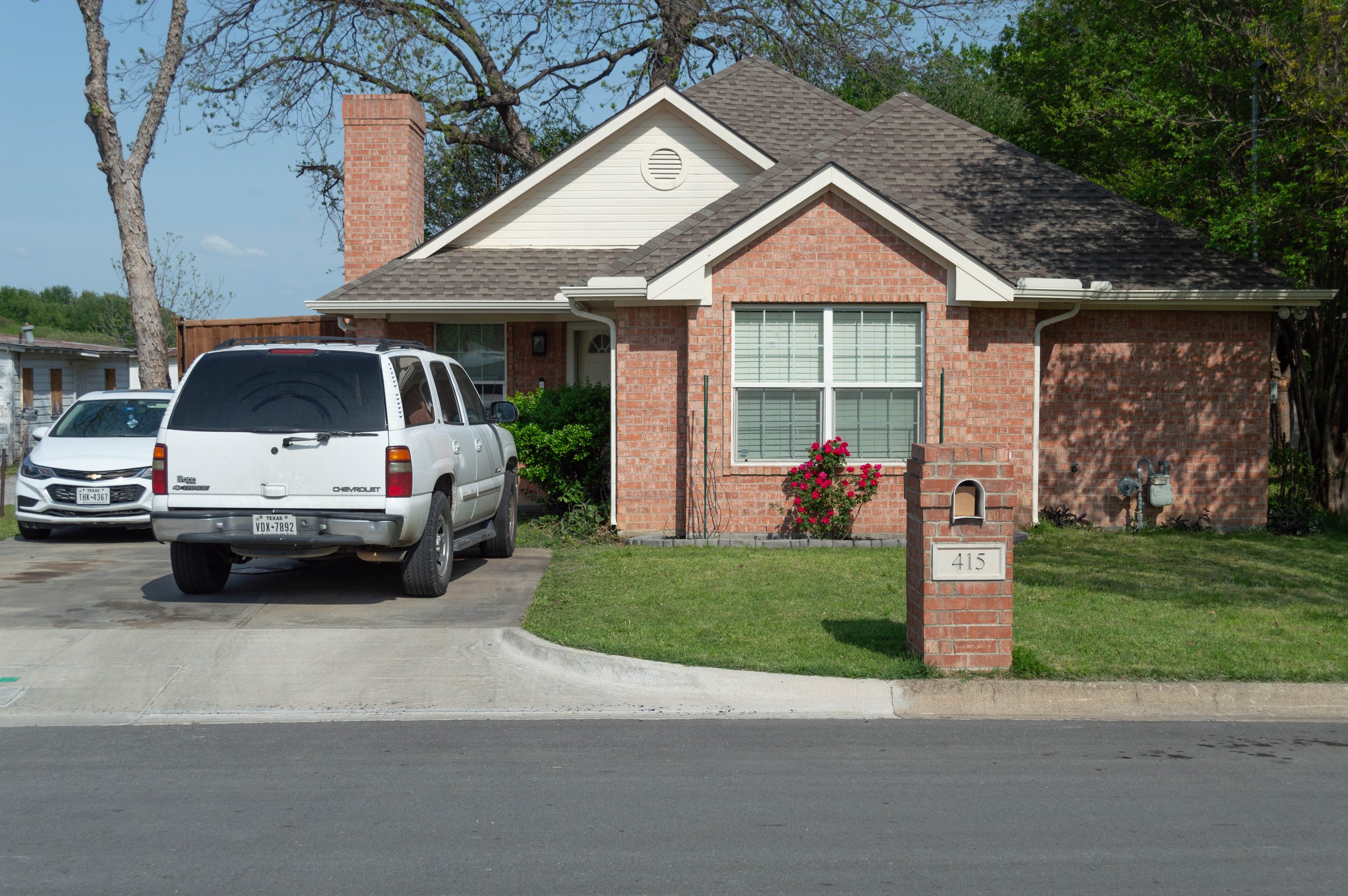
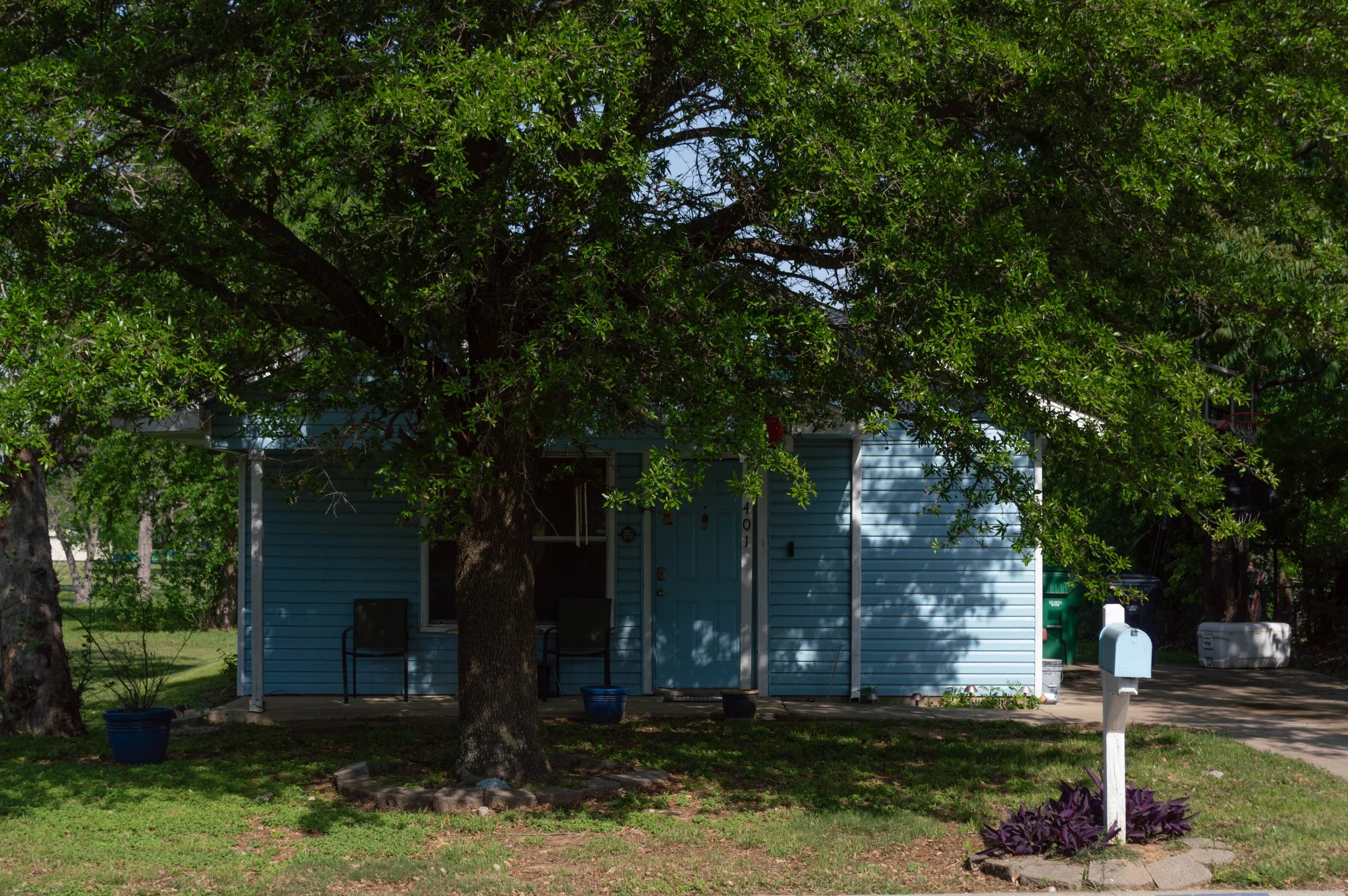
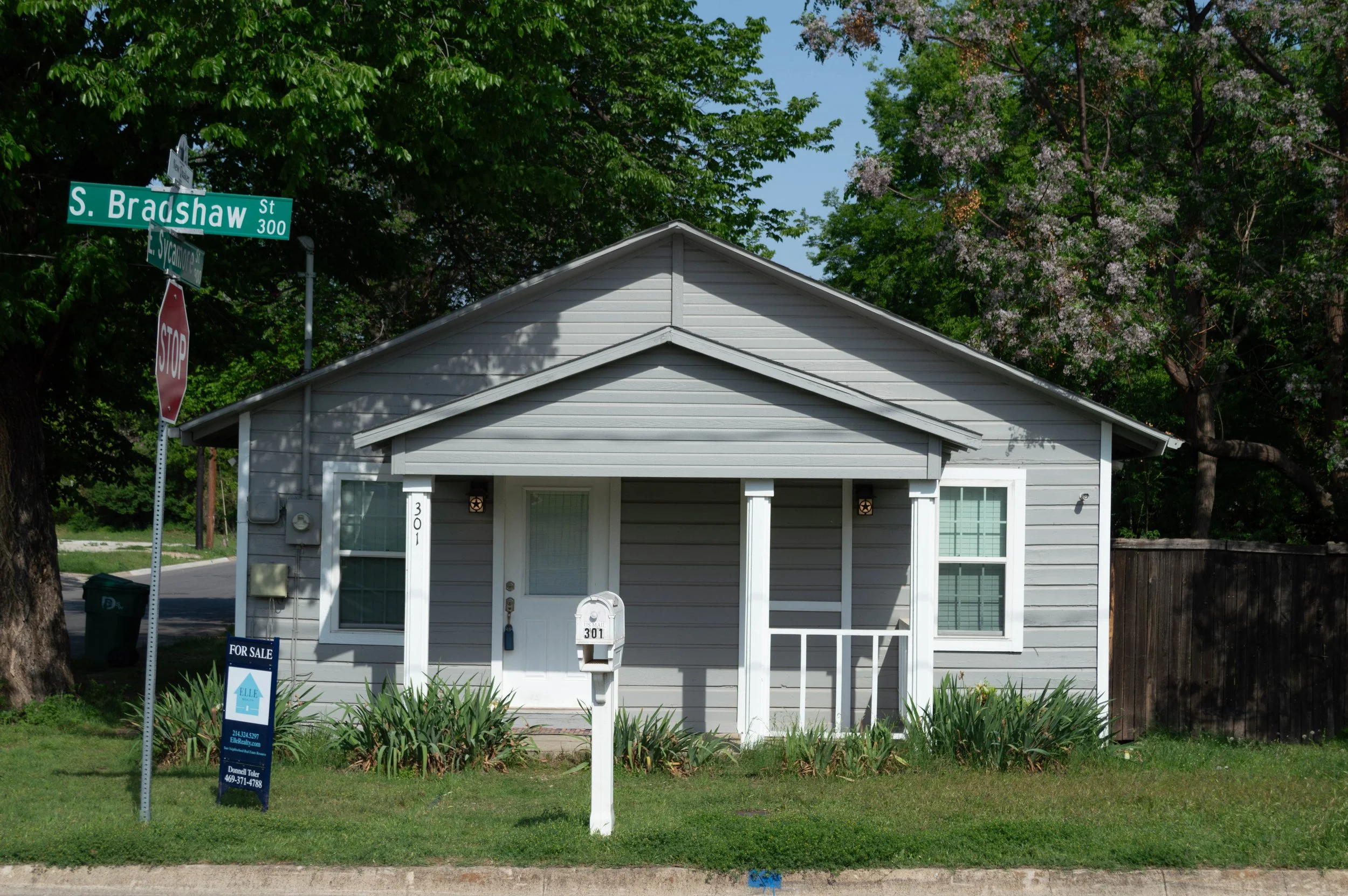
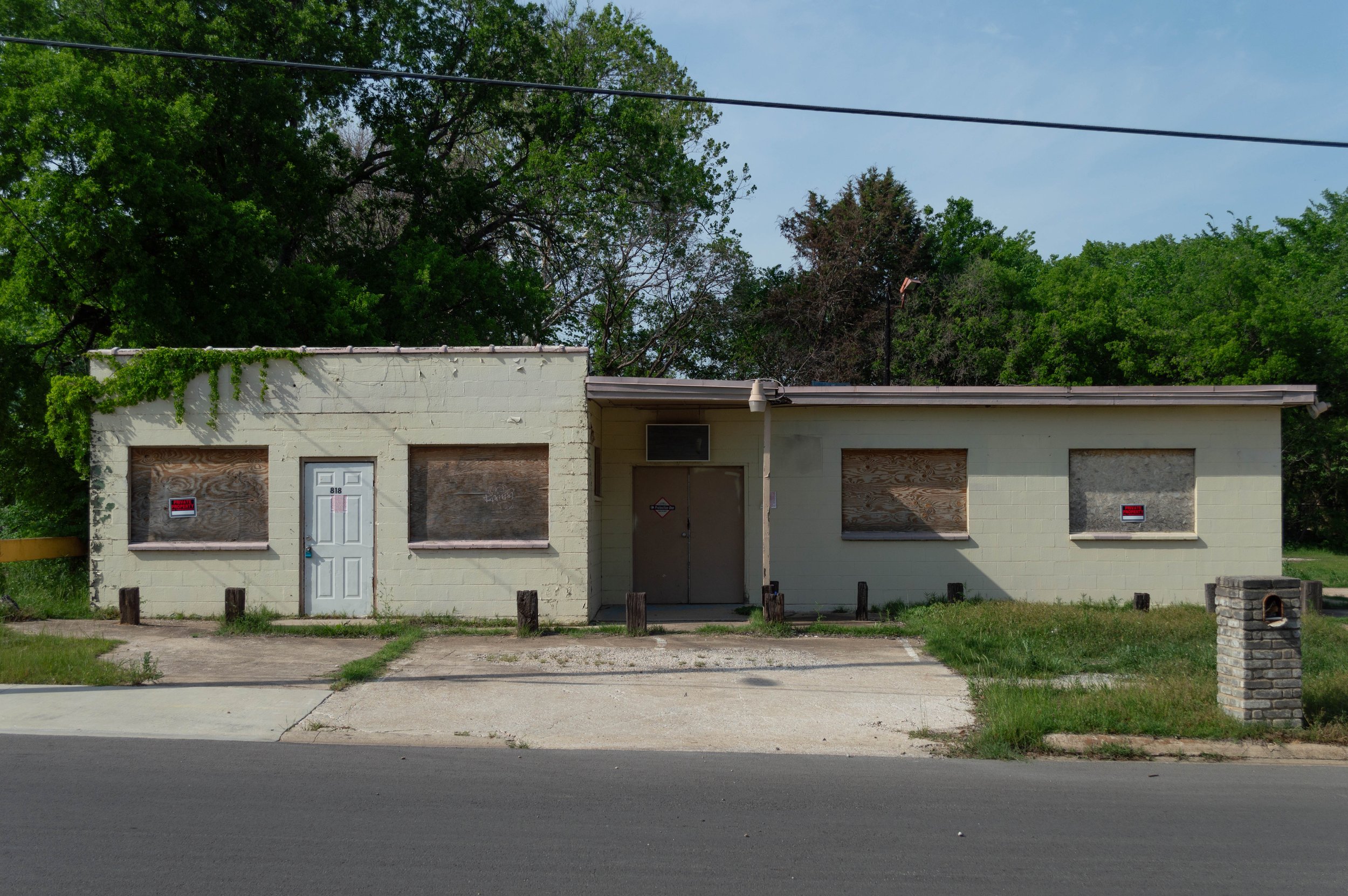
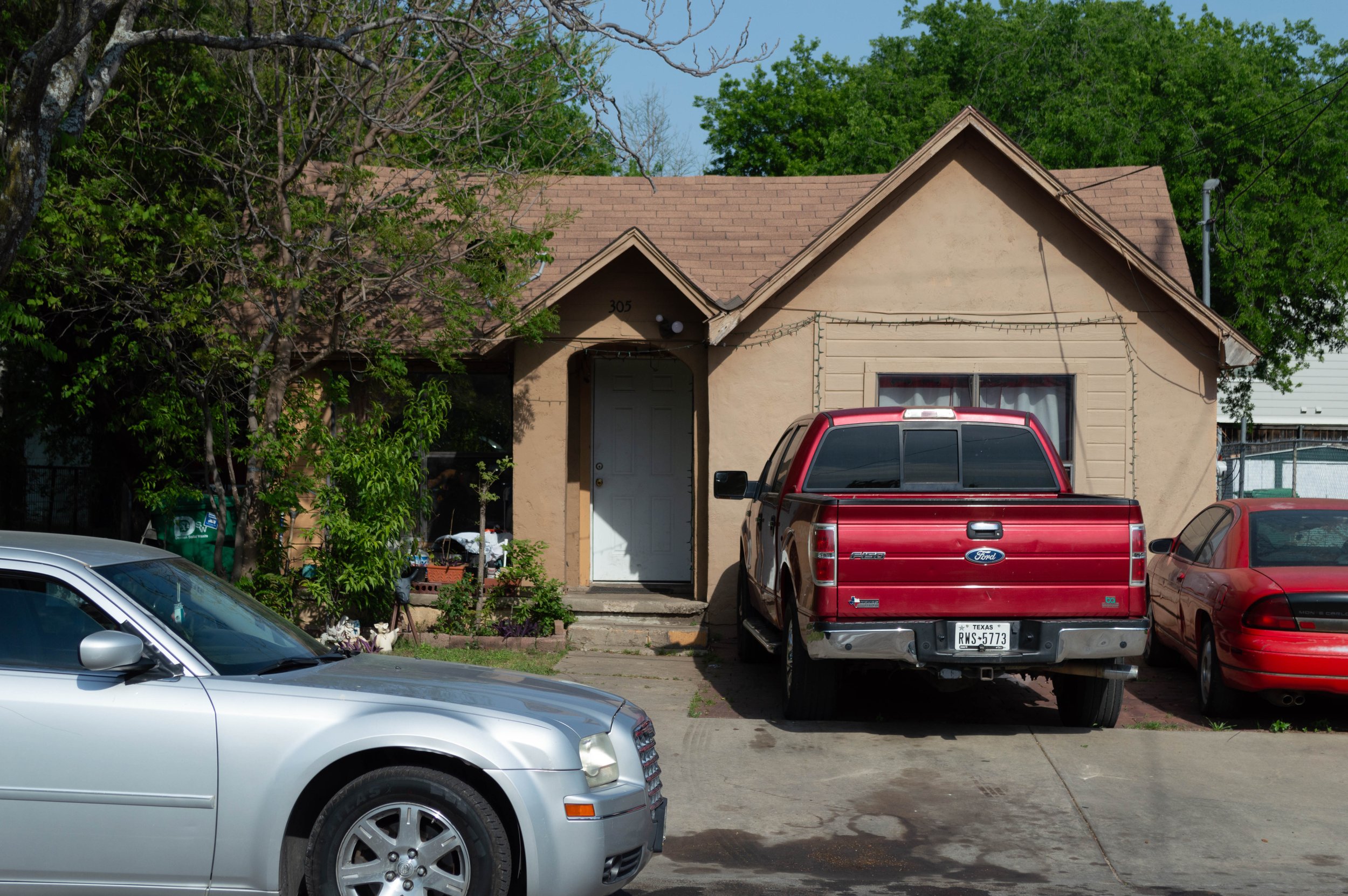
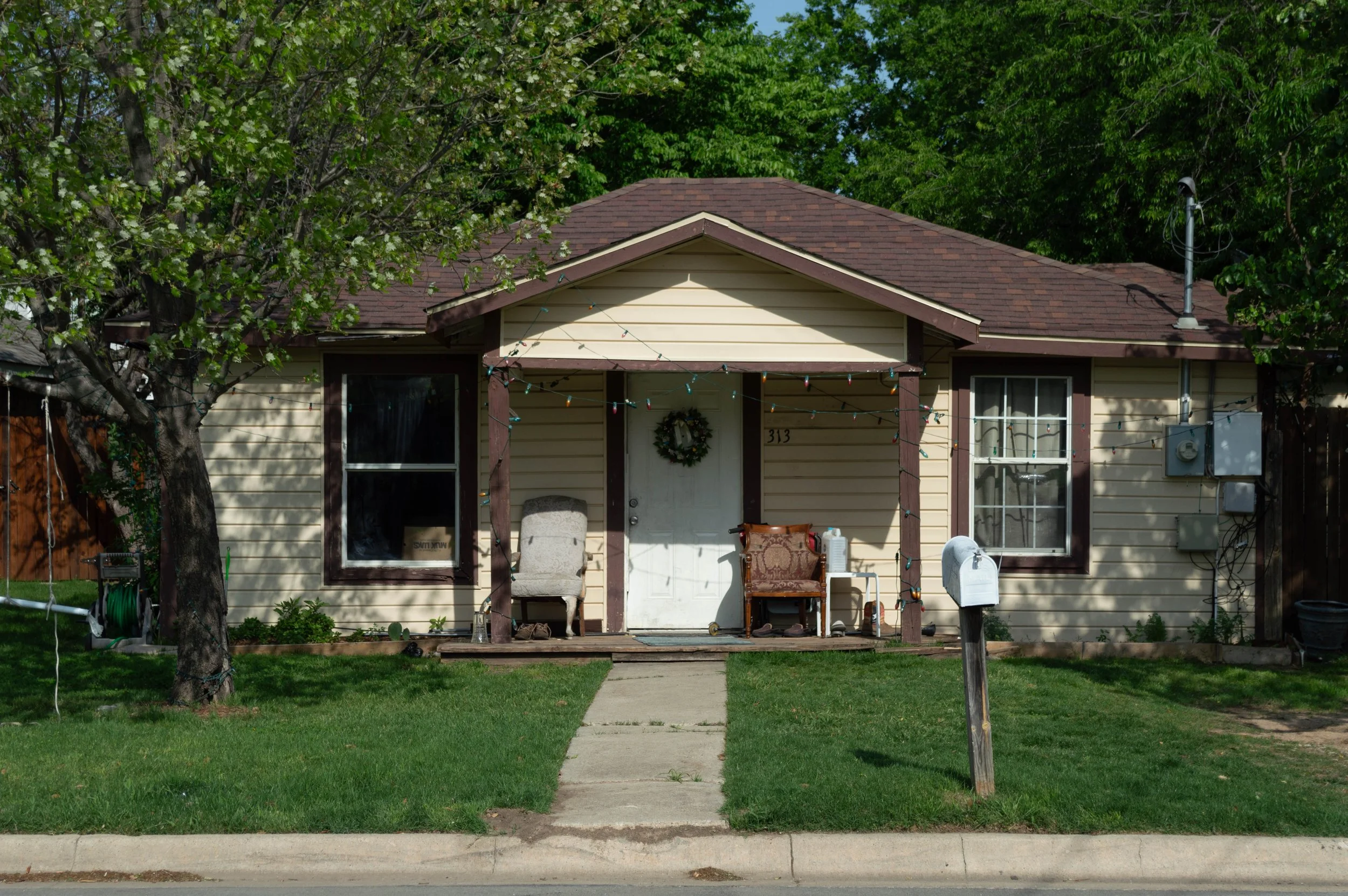
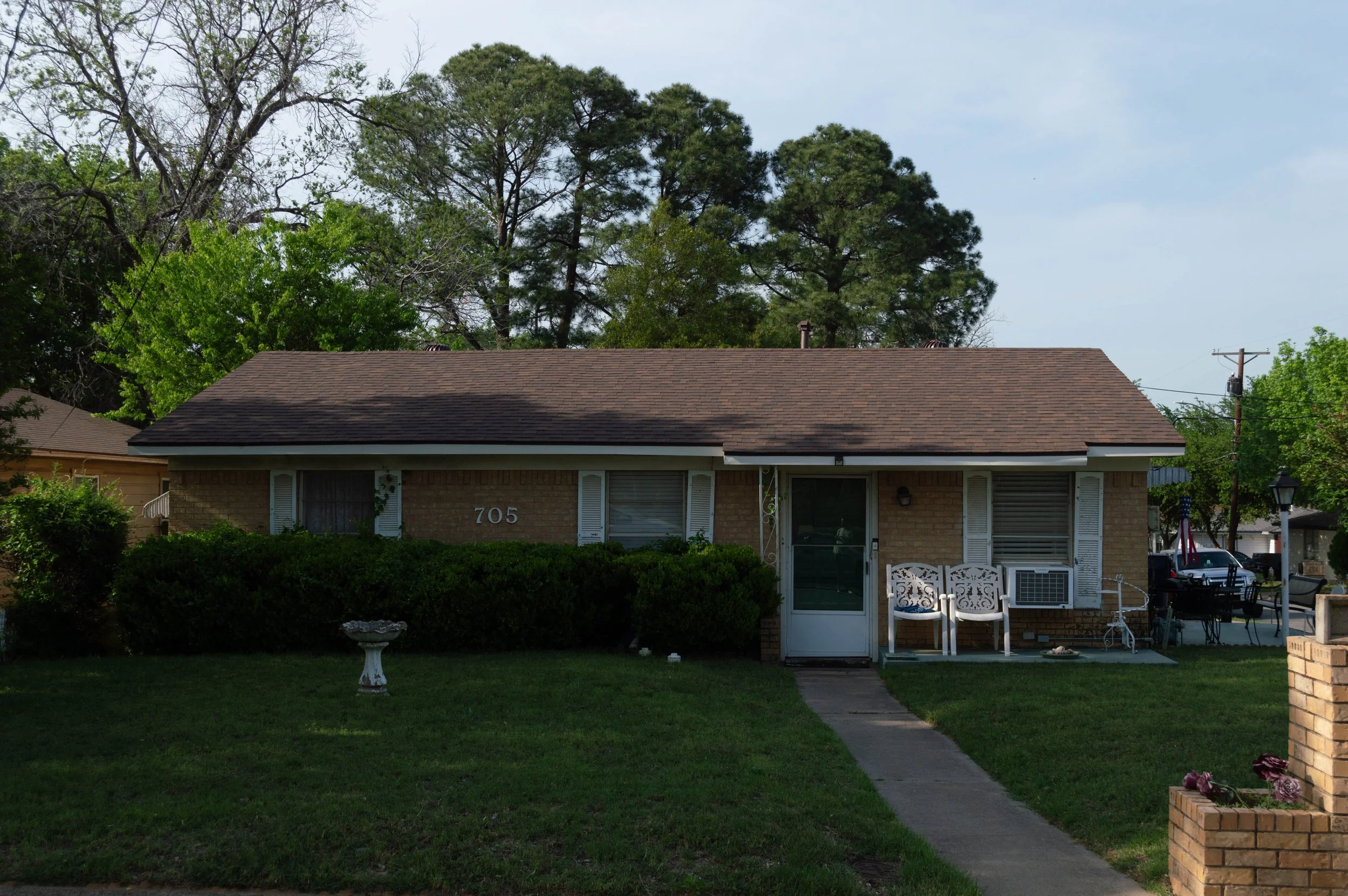
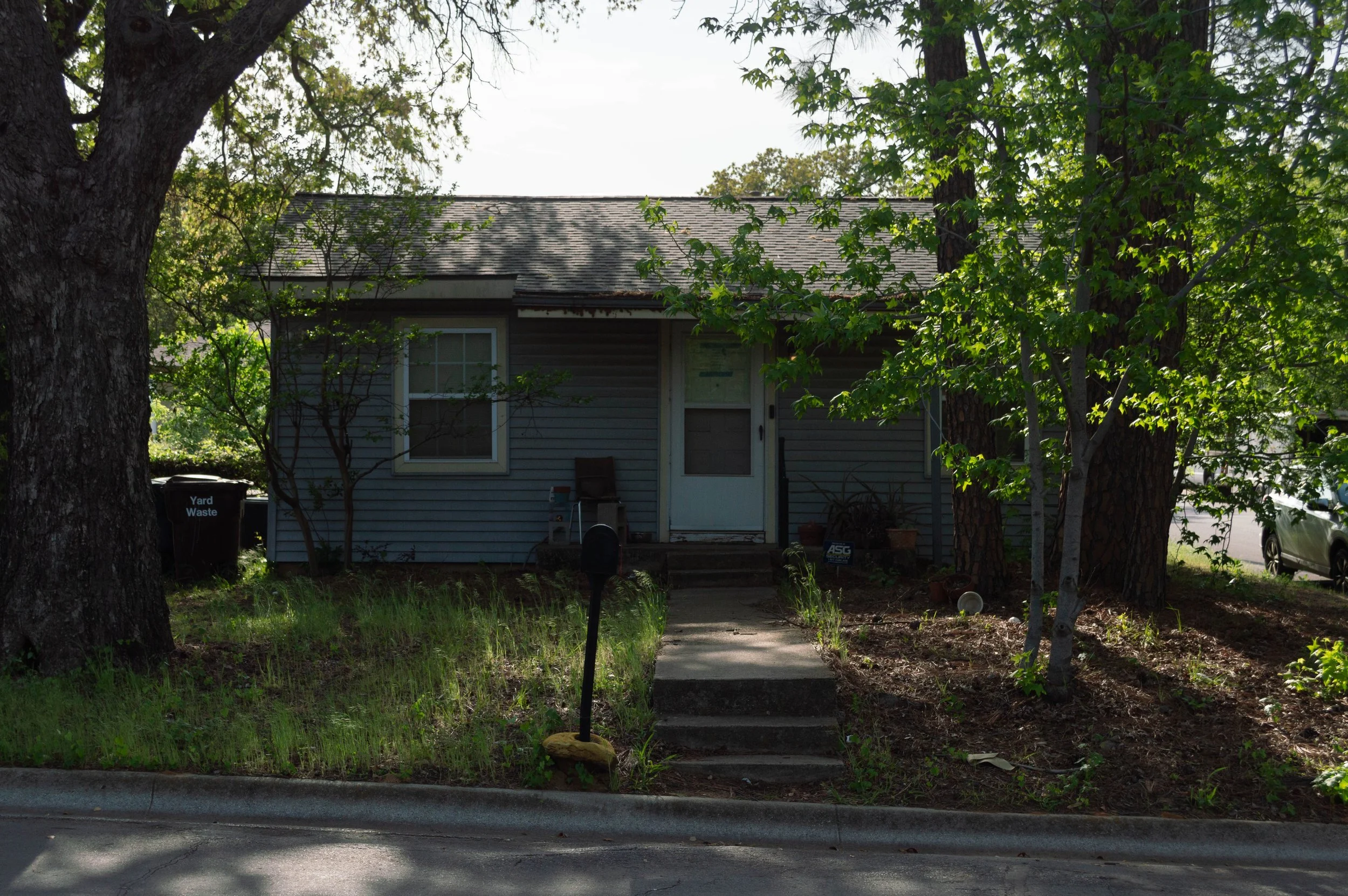
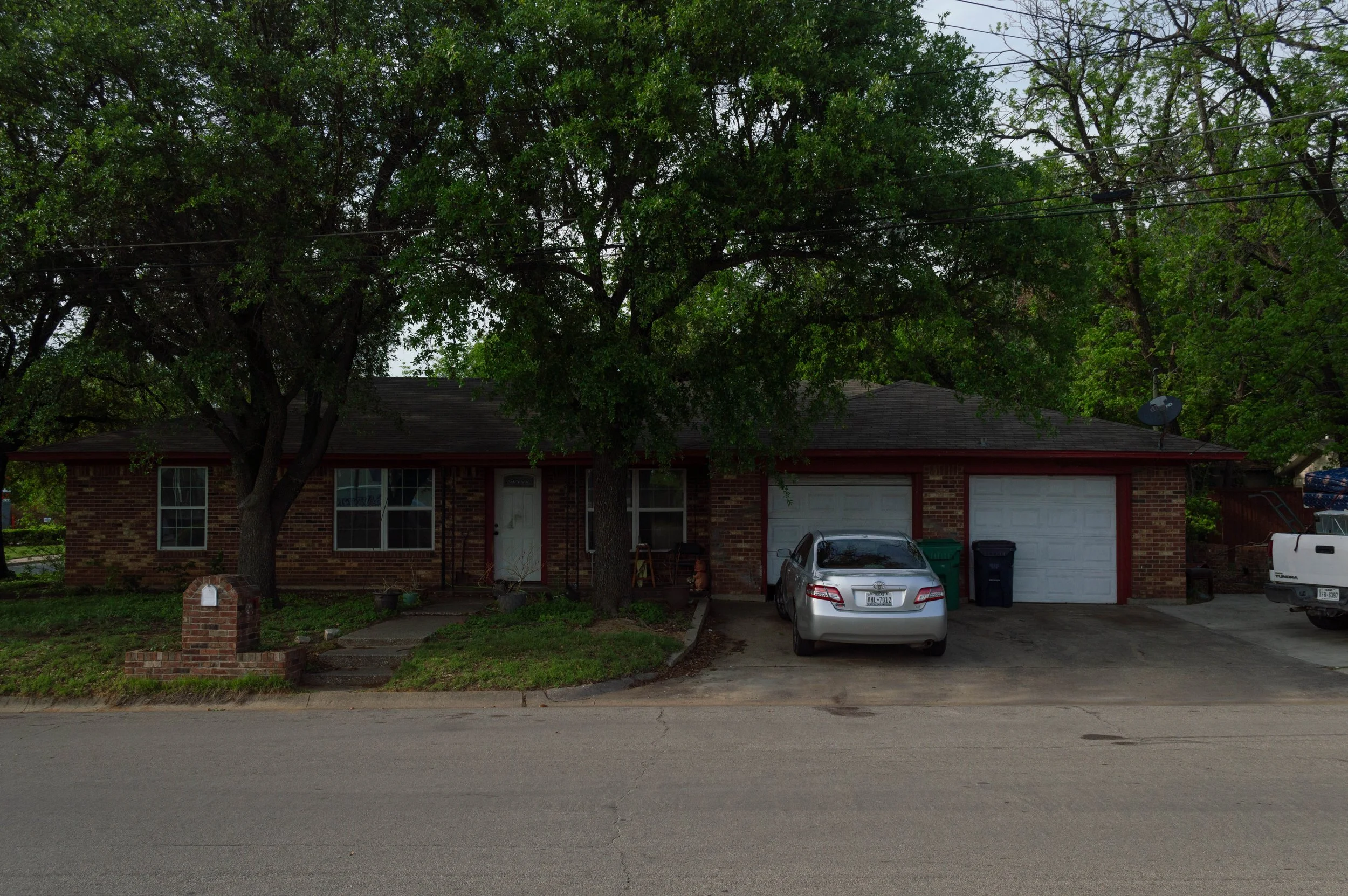
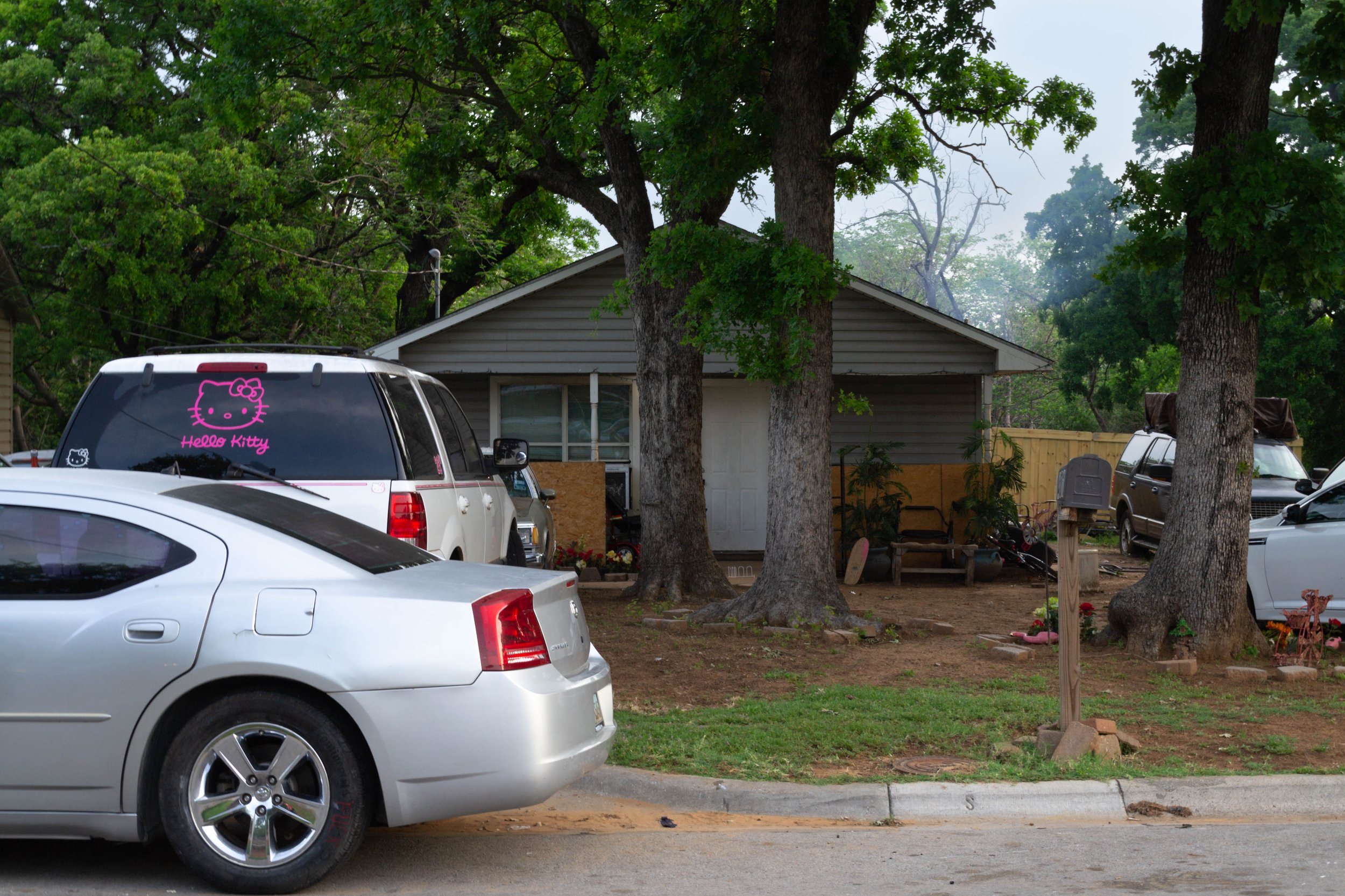
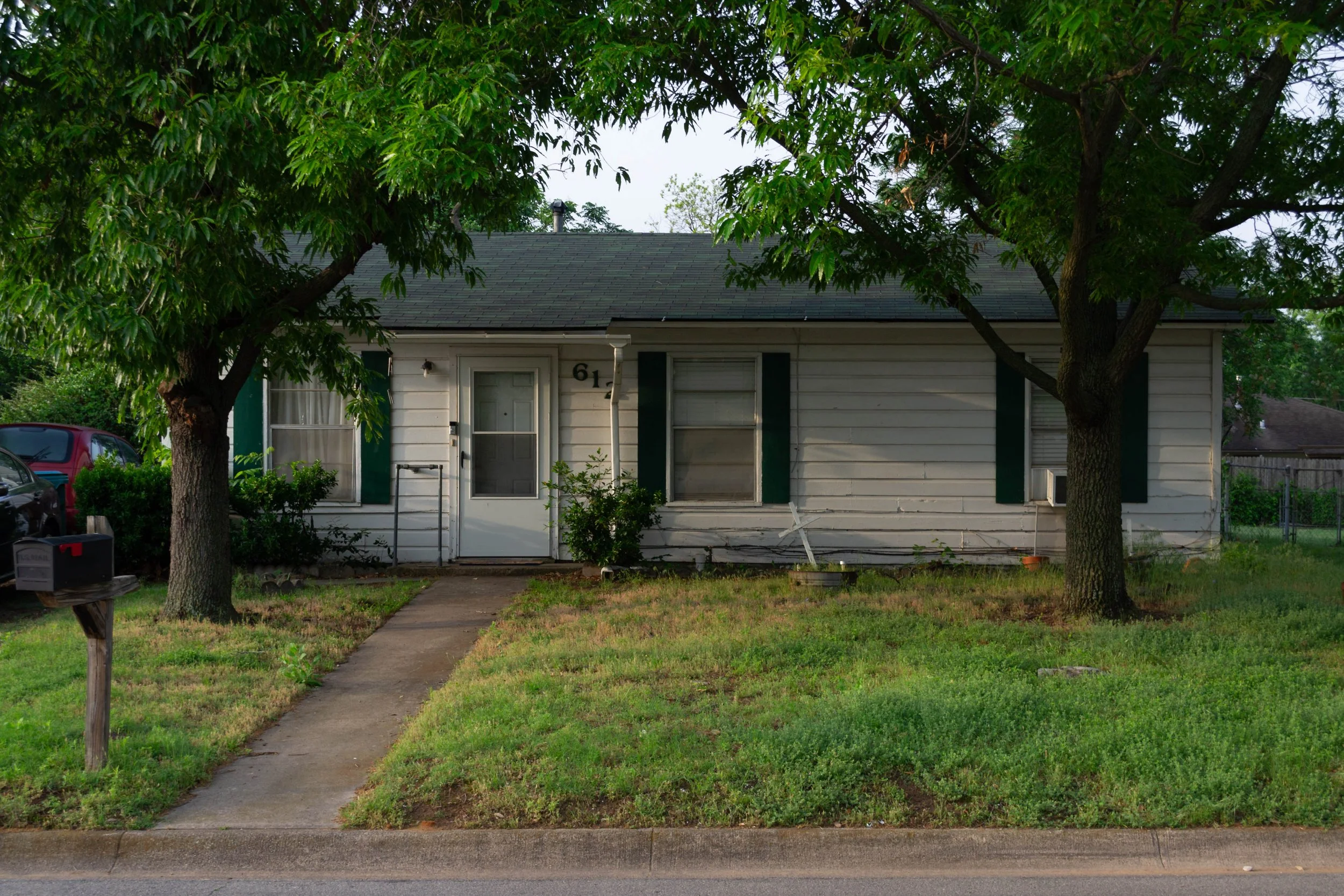
This typological survey captures the individuality of homes in the area, often offering a glimpse into the lives of the people who inhabit them.
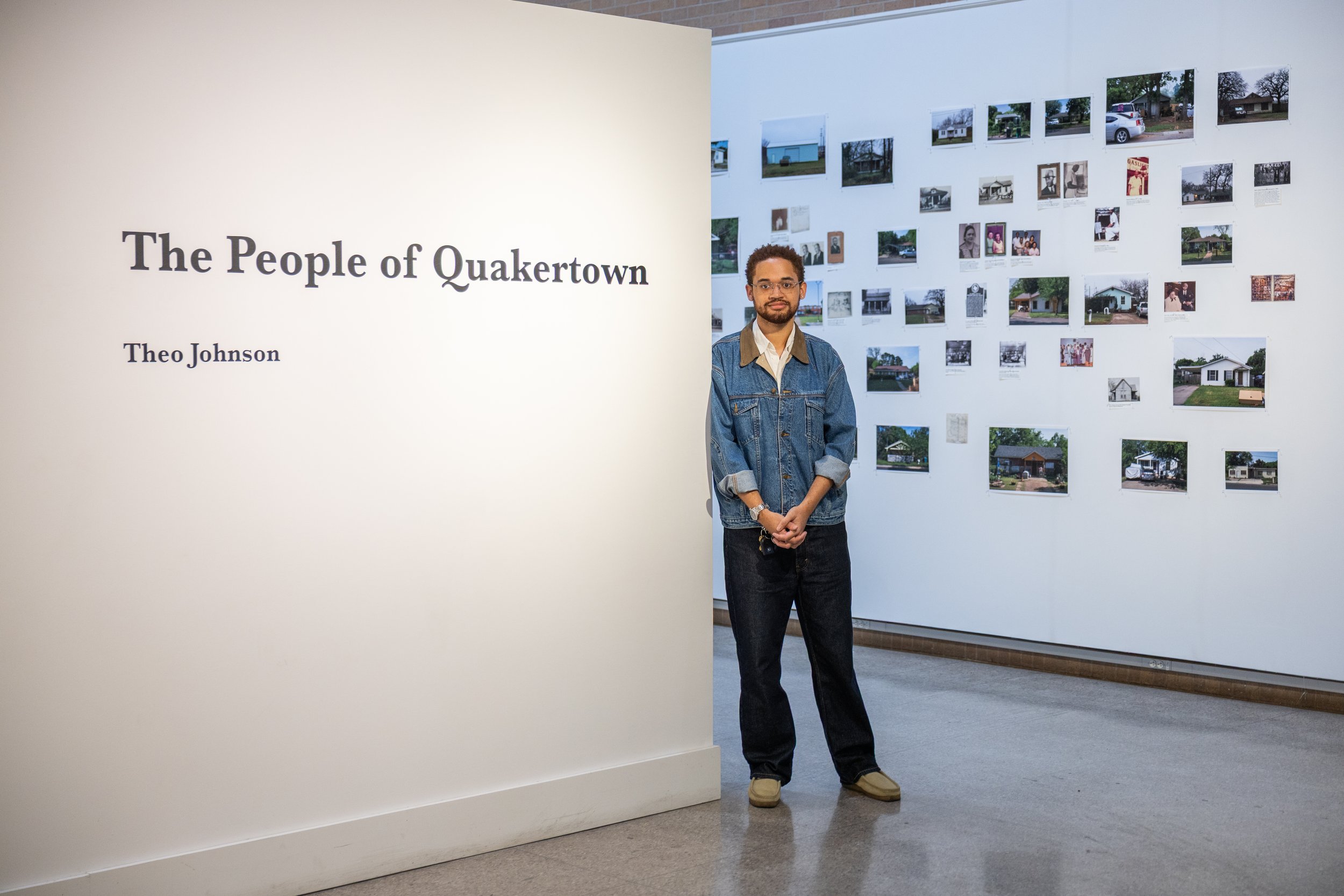
The People of Quakertown, Paul Voertman Gallery, February 2026
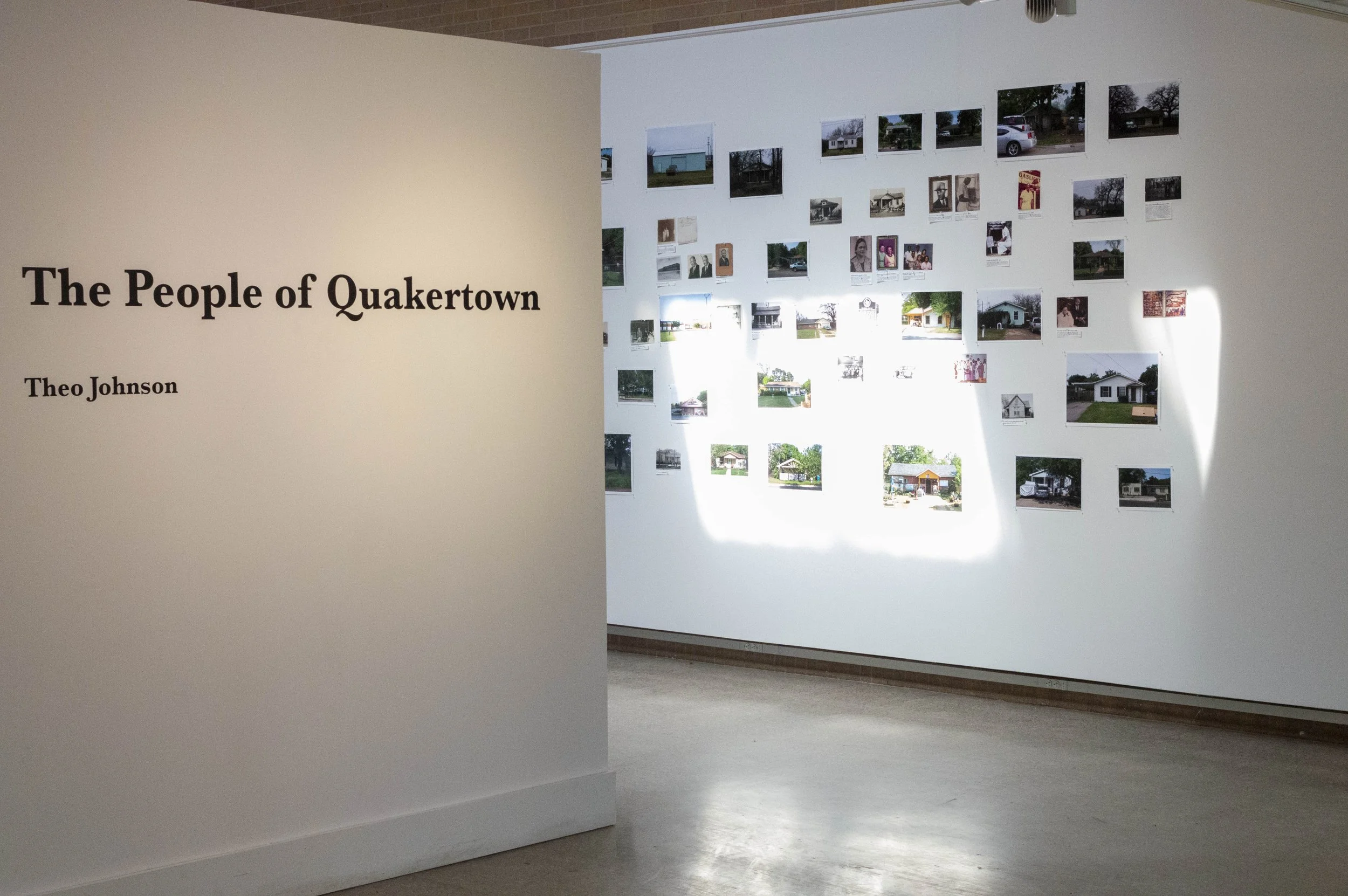
The People of Quakertown, Paul Voertman Gallery, February 2026
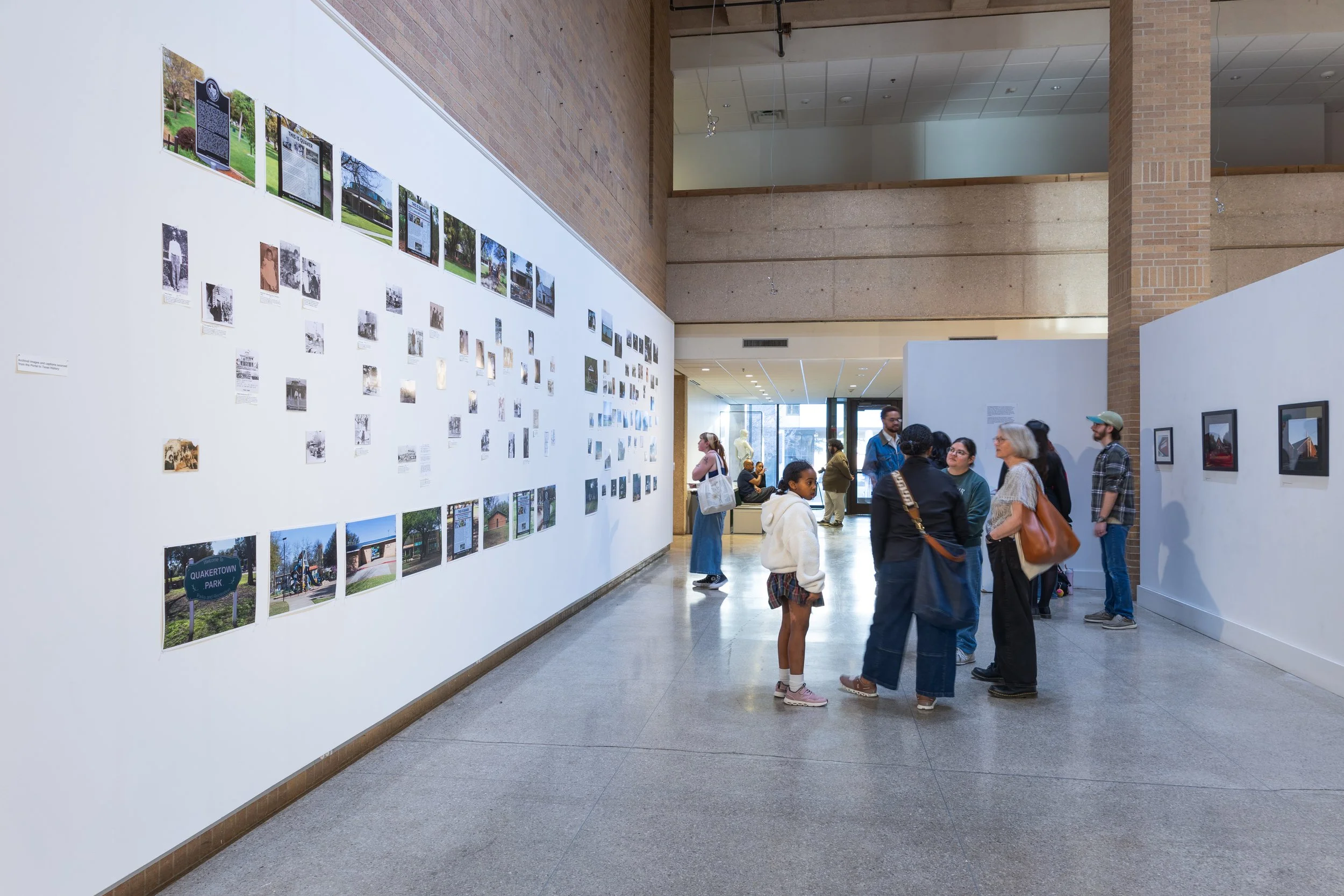
The People of Quakertown, Paul Voertman Gallery, February 2026
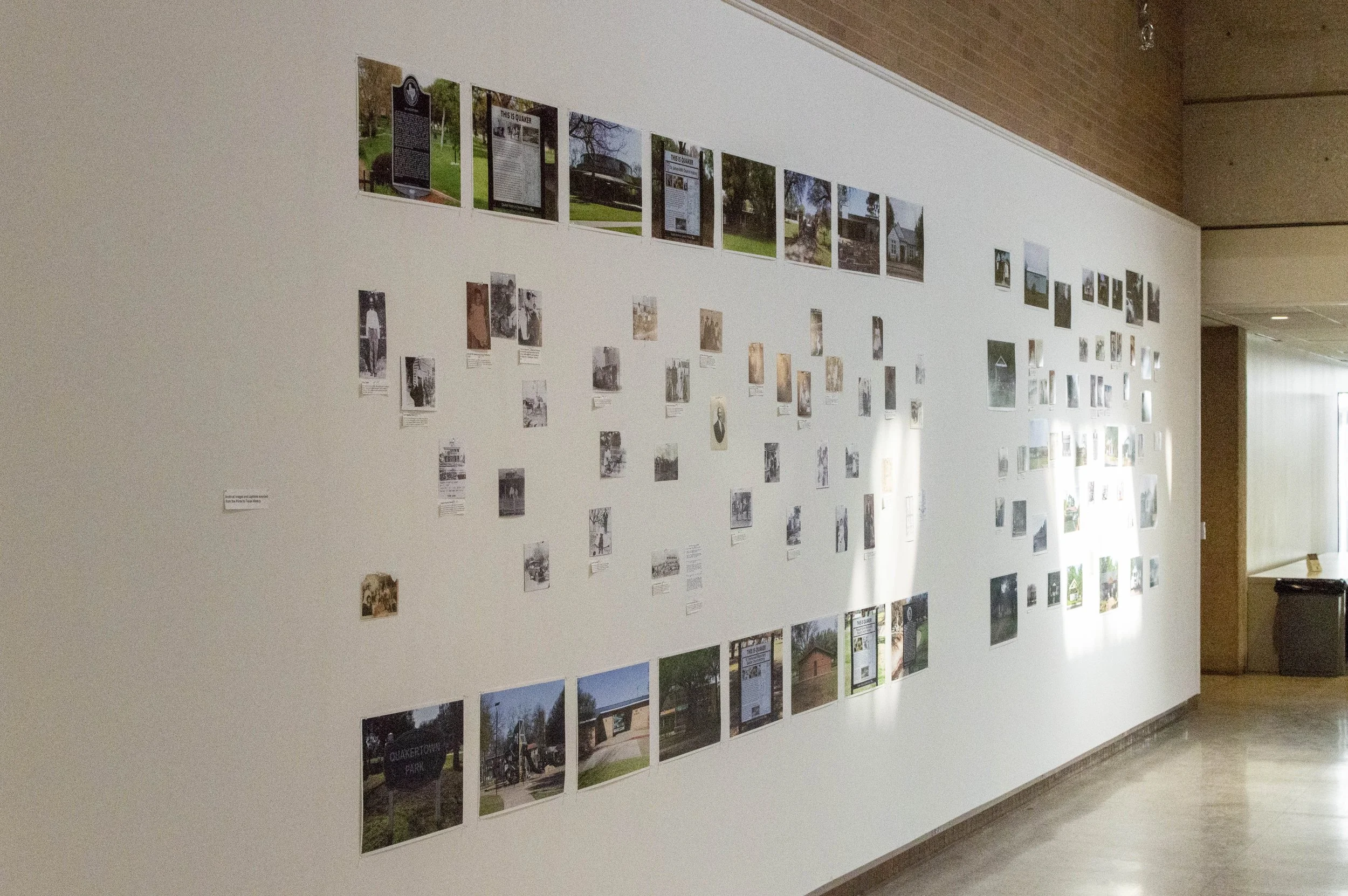
The People of Quakertown, Paul Voertman Gallery, February 2026
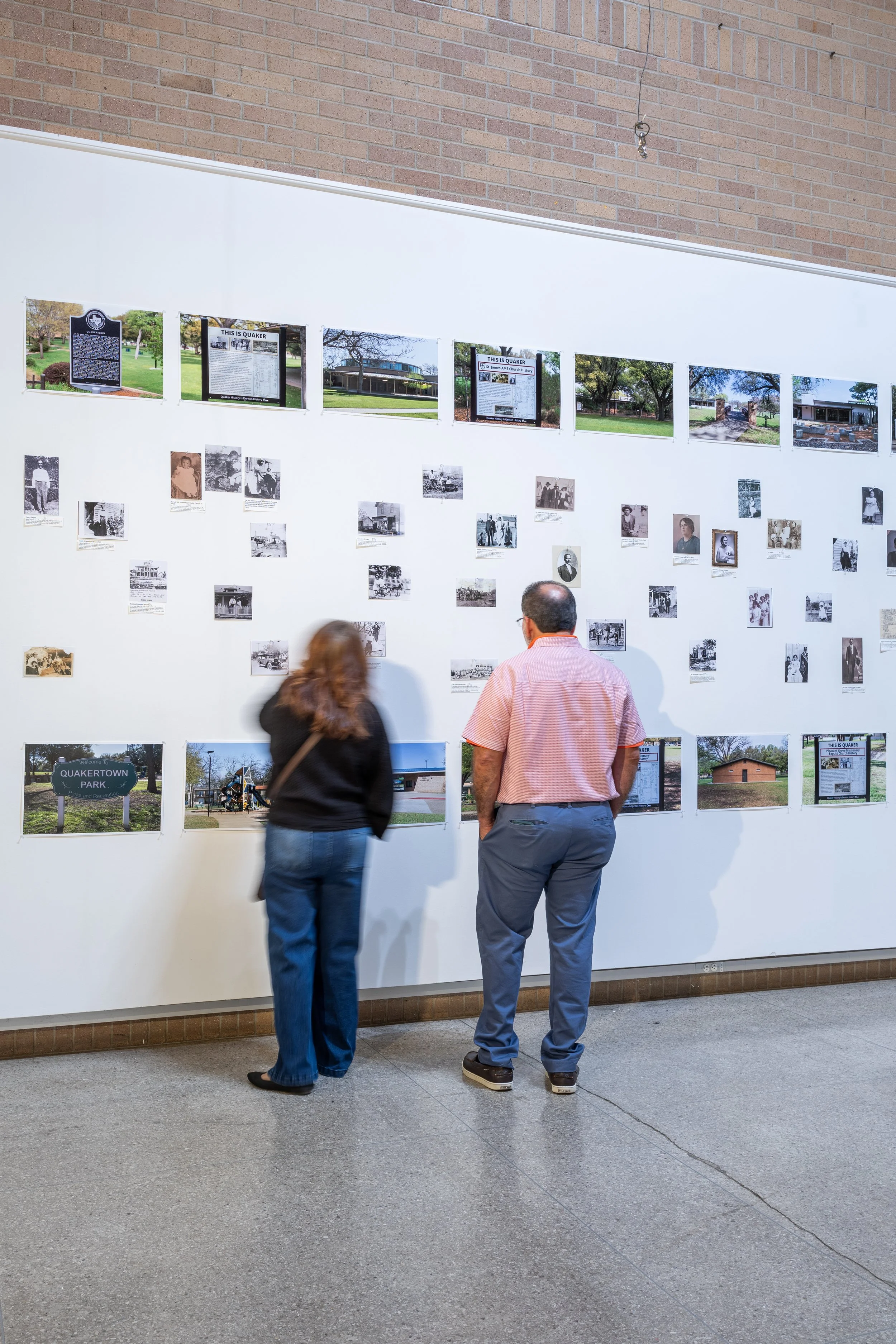
The People of Quakertown, Paul Voertman Gallery, February 2026
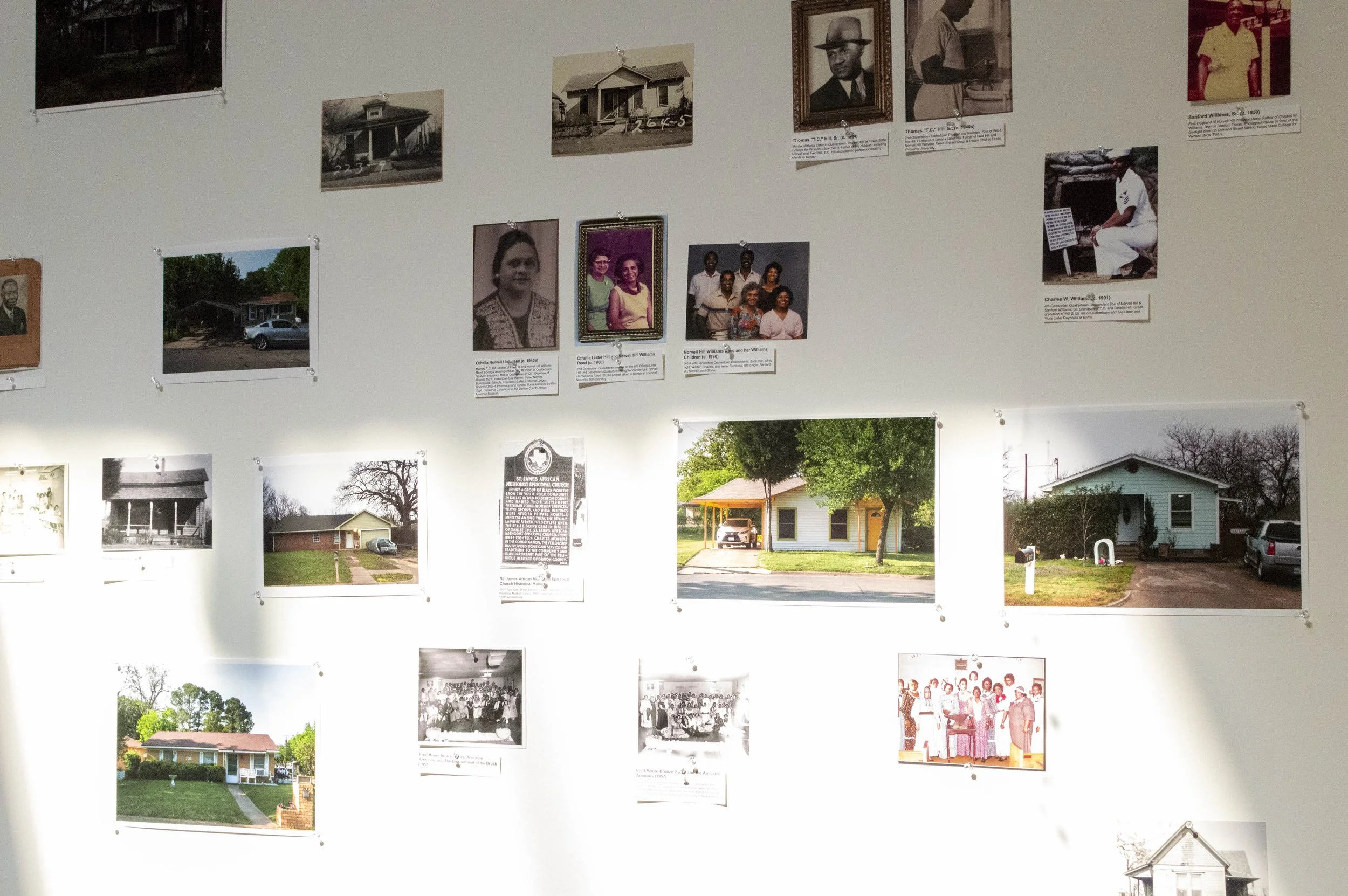
The People of Quakertown, Paul Voertman Gallery, February 2026
The People of Quakertown, Paul Voertman Gallery, February 2026
The People of Quakertown, Paul Voertman Gallery, February 2026
The People of Quakertown, Paul Voertman Gallery, February 2026